
Introduction
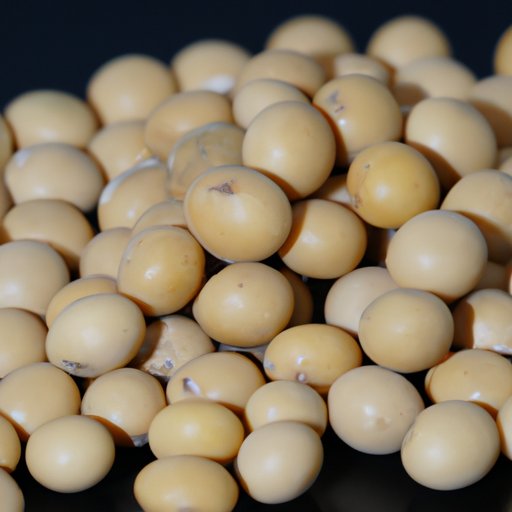
Soybeans have long been a staple in many Asian diets, but their popularity has recently been increasing in other parts of the world. As people become more aware of the health benefits associated with plant-based proteins, soybeans have become an attractive option for those looking for alternatives to animal proteins. But is soy really good for you? In this article, we’ll explore the health benefits and potential risks associated with eating soybeans.

The Health Benefits of Eating Soybeans
Soybeans are packed with nutrients, including protein, fiber, vitamins, and minerals. They’re also low in calories and fat, and high in antioxidants. Studies have shown that regular consumption of soybeans can reduce the risk of certain diseases, such as heart disease, diabetes, and some types of cancer. According to the American Heart Association, “Eating soy foods may help lower cholesterol levels, improve blood sugar control in people with diabetes, and reduce the risk of cancer.”
Soybeans are also rich in isoflavones, which are compounds that act like estrogen in the body and can help reduce menopausal symptoms, such as hot flashes and night sweats. One study found that women who ate a diet high in soy isoflavones experienced fewer and less severe hot flashes than those who didn’t eat soy. Additionally, soy isoflavones may help protect bone density and reduce the risk of osteoporosis.

How to Incorporate Soybeans into Your Diet
Soybeans can be enjoyed in a variety of ways. They can be eaten cooked or raw, either whole or processed into various foods, such as tofu, tempeh, edamame, and soy milk. Soybeans can also be used in baking, added to soups and salads, or used as a meat substitute in dishes such as veggie burgers.
When preparing soybeans, it’s important to remember that they should be cooked thoroughly to ensure they are safe to eat. Boiling, steaming, or stir-frying are all good methods of cooking soybeans. It’s also important to note that some processed soy products, such as textured vegetable protein, contain additives and preservatives that can be unhealthy if consumed in large amounts.

The Pros and Cons of Eating Soybeans
Eating soybeans can offer numerous health benefits, but there are also potential risks associated with consuming too much soy. Here are some of the advantages and disadvantages of eating soybeans.
Advantages of Eating Soybeans
- High in protein and fiber
- Low in calories and fat
- Rich in vitamins and minerals
- Reduces risk of certain diseases
- Helps reduce menopausal symptoms
- Protects bone density
Disadvantages of Eating Soybeans
- Can cause allergic reactions in some people
- May have hormonal effects
- Processed soy products may contain additives and preservatives
Exploring the Nutritional Value of Soybeans
Soybeans are an excellent source of plant-based protein, providing about 15 grams per cup. They’re also a good source of dietary fiber, providing about 8 grams per cup. Additionally, soybeans are a good source of several essential vitamins and minerals, including calcium, iron, magnesium, phosphorus, potassium, and zinc.
The Potential Risks of Eating Too Much Soy
Although there are many health benefits associated with eating soybeans, it’s important to remember that eating too much can have potentially negative effects. Soybeans contain compounds called phytoestrogens, which can mimic the hormone estrogen in the body. Some studies have suggested that excessive intake of soy products could disrupt hormonal balance and lead to health issues, such as infertility and breast cancer. However, more research is needed to confirm these potential risks.
In addition, soybeans can cause allergic reactions in some people. Symptoms of a soy allergy include itching, hives, swelling, difficulty breathing, and anaphylaxis. If you suspect you may have a soy allergy, it’s important to speak to your doctor.
Plant-Based Protein: Soybeans vs Other Alternatives
If you’re looking for plant-based sources of protein, soybeans are an excellent choice. However, there are other options available, such as nuts, seeds, legumes, and grains. Here’s a look at how some of these options compare nutritionally.
Comparing the Nutritional Values
- Nuts: High in protein and healthy fats, but also high in calories.
- Seeds: High in protein, fiber, and healthy fats, but also high in calories.
- Legumes: High in protein, fiber, and B vitamins, but also high in calories.
- Grains: Low in protein, but high in fiber and B vitamins.
Advantages and Disadvantages of Each Option
- Nuts: Rich in healthy fats, but high in calories.
- Seeds: High in protein and healthy fats, but also high in calories.
- Legumes: High in protein and fiber, but also high in calories.
- Grains: Low in protein, but high in fiber and B vitamins.
Conclusion
Soybeans are an excellent source of plant-based protein and provide numerous health benefits. However, it’s important to remember that eating too much soy can have potentially negative effects, such as allergic reactions and hormonal disruptions. If you’re looking for plant-based sources of protein, other options, such as nuts, seeds, legumes, and grains, are also available. Ultimately, it’s important to find the right balance of plant-based proteins that works for you.
(Note: Is this article not meeting your expectations? Do you have knowledge or insights to share? Unlock new opportunities and expand your reach by joining our authors team. Click Registration to join us and share your expertise with our readers.)