
Introduction
Sit-ups have been around for centuries, with many people using them as a way to strengthen their core muscles and improve posture. But are sit-ups actually good for you? In this article, we’ll explore the pros and cons of sit-ups so that you can make an informed decision about whether or not this type of exercise is right for you.
Examining the Pros and Cons of Sit-Ups
When it comes to abdominal exercises, sit-ups are one of the most popular choices. But what are the benefits and drawbacks of doing sit-ups? Let’s take a closer look at both sides of the equation.
Benefits of Sit-Ups
There are several potential benefits to doing sit-ups, including:
- Strengthening Core Muscles: According to a study published in the International Journal of Sports Physical Therapy, sit-ups can help to strengthen your core muscles, which can lead to improved balance and stability. Additionally, strong core muscles can help you perform other exercises more effectively.
- Improving Posture: Sit-ups can also help to improve your posture by strengthening the muscles in your abdomen, back, and hips. Poor posture can lead to back pain and other health issues, so doing sit-ups may be a great way to prevent these problems.
- Increasing Flexibility: Regularly performing sit-ups can help to increase flexibility in your abdomen, back, and hips, which can reduce your risk of injury during other physical activities.
- Building Abdominal Muscles: Doing sit-ups can help to build the muscles in your abdomen, which can give you a stronger, more toned look.
Drawbacks of Sit-Ups
Despite the potential benefits, there are also some drawbacks to doing sit-ups, including:
- Risk of Injury: If done improperly, sit-ups can put too much strain on your lower back, which can lead to injury. Additionally, if you do too many sit-ups too quickly, you can overexert your muscles, which can also cause injury.
- Strain on Lower Back: As mentioned above, sit-ups can put too much strain on your lower back, which can lead to discomfort and even injury. It’s important to make sure that you’re doing sit-ups correctly in order to avoid this problem.
- Not Necessarily Effective for Weight Loss: While sit-ups can help to build abdominal muscles, they aren’t necessarily effective for weight loss. To lose weight, you need to create an overall calorie deficit, which means reducing your calorie intake and increasing your physical activity.
How to Incorporate Sit-Ups into a Healthy Exercise Routine
If you decide to incorporate sit-ups into your exercise routine, there are a few things that you should keep in mind in order to stay safe and get the most out of your workout:
- Choose Appropriate Intensity Level: When doing sit-ups, it’s important to choose an intensity level that is appropriate for your fitness level. Start slow and gradually increase the difficulty as your strength and endurance improves.
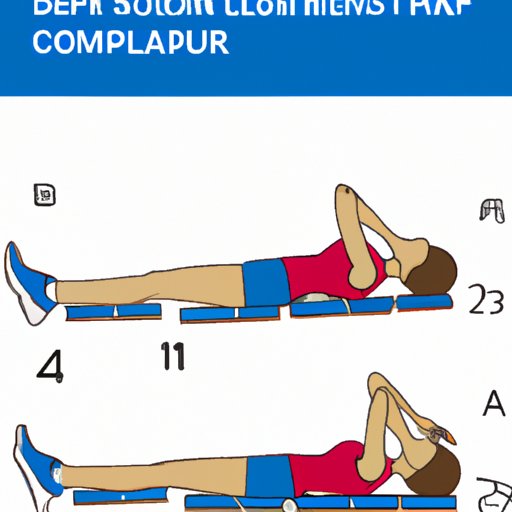
- Keep Proper Form: Maintaining proper form is essential when doing sit-ups. Make sure that your back is straight and your chin is tucked in order to avoid straining your lower back.
- Use Proper Breathing Techniques: Proper breathing techniques can help you to get the most out of your sit-up workout. Take deep breaths and exhale as you raise your body up, then inhale as you lower your body down.
- Take Regular Breaks: Taking regular breaks is important in order to avoid overexertion and injury. Aim to take a break every 5-10 minutes and drink plenty of water throughout your workout.
The Effects of Doing Too Many Sit-Ups
Doing too many sit-ups can have negative effects on your body, including:
- Risk of Injury: Overexerting your muscles can lead to injury, so it’s important to avoid doing too many sit-ups in one session. Make sure to take regular breaks and listen to your body when it tells you to stop.
- Strain on Lower Back: Doing too many sit-ups can put too much strain on your lower back, which can lead to discomfort and even injury. It’s important to maintain proper form and take regular breaks in order to avoid this problem.
- Overworked Muscles: Doing too many sit-ups can cause your abdominal muscles to become overworked, which can lead to fatigue and soreness. Make sure to listen to your body and take regular breaks in order to avoid this issue.
Alternatives to Sit-Ups for Abdominal Workouts
If you’re looking for alternatives to sit-ups for abdominal workouts, here are a few options:
- Plank: Planks are great for strengthening your core muscles without putting stress on your lower back. Try holding a plank for 30 seconds and gradually increase the duration as you become stronger.
- Side Plank: Side planks are similar to regular planks, but they focus on the muscles on the side of your body. Try holding a side plank for 30 seconds and gradually increase the duration as you become stronger.
- Leg Lifts: Leg lifts are a great way to target your abdominal muscles without putting strain on your lower back. Try doing 10-15 leg lifts and gradually increase the number as you become stronger.
- Bicycle Crunches: Bicycle crunches are a great way to target all of your abdominal muscles. Try doing 10-15 bicycle crunches and gradually increase the number as you become stronger.
The Benefits and Hazards of Doing Sit-Ups
In conclusion, sit-ups can be beneficial for strengthening your core muscles, improving posture, increasing flexibility, and building abdominal muscles. However, there are also some potential hazards to consider, such as the risk of injury, the strain on the lower back, and the fact that sit-ups are not necessarily effective for weight loss. It’s important to keep these factors in mind when deciding whether or not to incorporate sit-ups into your exercise routine.
Is It Time to Re-Evaluate Your Sit-Up Regimen?
If you’ve been doing sit-ups regularly but haven’t seen any results, it may be time to re-evaluate your regimen. Consider incorporating other types of exercises into your routine, such as planks, side planks, leg lifts, and bicycle crunches. Additionally, remember to stretch before and after each workout, and listen to your body – if you start to feel pain or discomfort, stop immediately and talk to a professional.
Conclusion
Sit-ups are a popular form of abdominal exercise, but they may not be right for everyone. By taking the time to evaluate the pros and cons and considering alternative exercises, you can make an informed decision about whether or not sit-ups are right for you.
(Note: Is this article not meeting your expectations? Do you have knowledge or insights to share? Unlock new opportunities and expand your reach by joining our authors team. Click Registration to join us and share your expertise with our readers.)