
Introduction
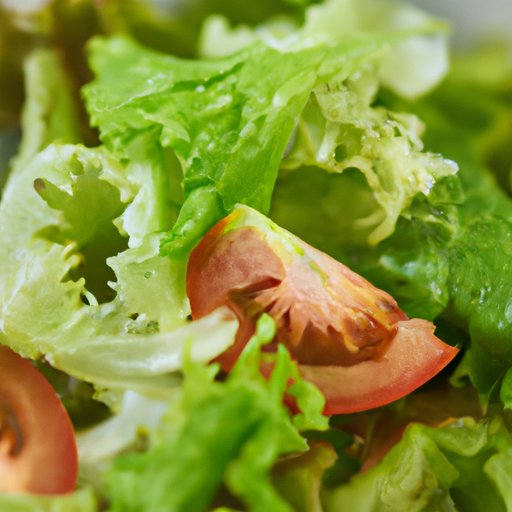
A salad is a dish made up of small pieces of food, usually vegetables or fruits, which are usually served cold and dressed with a sauce or dressing. Salads are often served as a side dish to accompany a meal, but can also be eaten as a main dish. With their fresh ingredients and variety of textures and flavors, salads have become a popular choice for many people looking for healthy, nutritious meals.
But are salads actually healthy? This article will explore the benefits and risks of eating salads, examining the different types of salads, their nutritional value, and how they compare to other healthy meal options. We will also look at how to create a balanced salad diet and understand the potential risks of contamination and excess calories.
Examining the Nutritional Benefits of Salads
Salads are a great way to get a variety of vitamins and minerals into your diet. Leafy greens like spinach, kale, and romaine are packed with vitamins A and C, as well as calcium and iron. Other vegetables like tomatoes, cucumbers, peppers, and onions provide additional vitamins and minerals. Fruits like apples, oranges, strawberries, and grapes also add beneficial nutrients to your salad.
Salads are also high in fiber, which helps keep you full longer and helps regulate digestion. The combination of vegetables and fruits also provides a good source of macronutrients such as protein, carbohydrates, and healthy fats. And because salads are typically low in calories, they are an excellent choice for those looking to lose weight or maintain a healthy weight.
Exploring Different Types of Healthy Salads
There are many different types of salads that can be enjoyed. Green salads are a popular option, made with leafy greens like spinach, kale, and romaine lettuce. Grain salads, such as quinoa, couscous, and barley, are a great source of complex carbohydrates and are often topped with vegetables and a light dressing. Protein-rich salads like tuna, chicken, or egg salads are also a great option, providing a good source of lean protein.
Fruit salads are another delicious option, combining seasonal fruits with nuts, seeds, and a light dressing. They are a great way to get your daily dose of antioxidants and vitamins. No matter what type of salad you choose, the key is to make sure it’s packed with a variety of nutrient-dense ingredients.
Comparing Salads to Other Healthy Meal Options
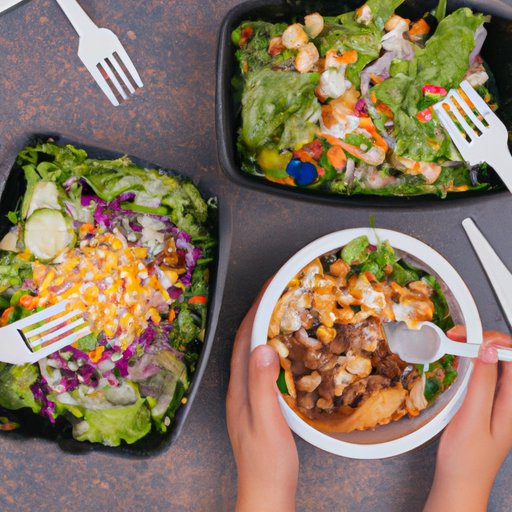
Salads are a great choice for those who are following a low-carb diet. Since most salads are low in carbohydrates, they are an ideal option for those looking to reduce their carbohydrate intake. Vegetarian and vegan diets also benefit from salads, since they are usually plant-based and loaded with vitamins and minerals.
The Mediterranean diet, which emphasizes fresh fruits and vegetables, whole grains, legumes, and healthy fats, is also a great way to incorporate salads into your diet. Studies have shown that following a Mediterranean-style diet can help reduce the risk of heart disease, stroke, and certain types of cancer.
Creating a Balanced Salad Diet
When creating a salad, it’s important to include a variety of ingredients. Start with a base of leafy greens, then add in colorful vegetables, proteins, and healthy fats. Try to get creative by adding different textures and flavors to create a more interesting salad. It’s also important to pay attention to portion sizes. A typical serving of salad should be about one cup.
Adding healthy toppings to your salad is also a great way to increase its nutritional value. Nuts, seeds, and avocado are all great sources of healthy fats. Fruits like apples and berries are also a great addition. For added flavor, try adding a sprinkle of herbs or spices such as cumin, oregano, or garlic powder.
Understanding the Risks of Eating Salads
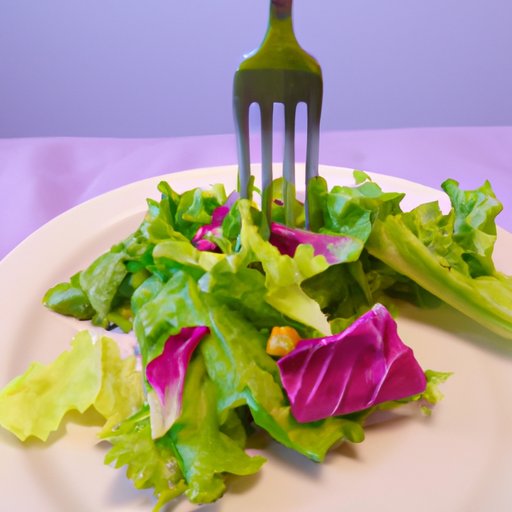
Although salads can be a healthy option, there are some potential risks associated with eating them. One of the biggest risks is contamination. If not properly washed and stored, salads can become contaminated with bacteria, viruses, and parasites. It’s important to always wash your fruits and vegetables before consuming them.
Another potential risk is that salads can be high in calories if they are topped with unhealthy ingredients such as cheese, croutons, and creamy dressings. It’s important to keep an eye on portion sizes and opt for healthier toppings such as nuts, seeds, and avocado. Finally, salads can also be high in sodium if they contain processed ingredients such as canned beans or pre-made dressings.
Conclusion
Salads can be a great way to get a variety of vitamins and minerals into your diet. They are low in calories, high in fiber, and provide a good source of macronutrients. There are many different types of salads that can be enjoyed, from green salads to grain salads to fruit salads. Salads are also a great choice for those following a low-carb, vegetarian, or vegan diet.
However, there are some potential risks associated with eating salads such as contamination, excess calories, and too much sodium. It’s important to make sure you are using fresh, washed ingredients and keeping an eye on portion sizes. By creating a balanced salad diet with a variety of ingredients and healthy toppings, you can enjoy the benefits of eating salads without the risks.
(Note: Is this article not meeting your expectations? Do you have knowledge or insights to share? Unlock new opportunities and expand your reach by joining our authors team. Click Registration to join us and share your expertise with our readers.)