

Introduction
Pomegranate seeds are small, round fruits that come from the pomegranate plant. They are a rich source of vitamins, minerals, antioxidants, and other beneficial compounds that may help protect against diseases and promote overall health. In this article, we will explore the nutritional benefits of pomegranate seeds and uncover the various health advantages they offer.
Exploring the Nutritional Benefits of Pomegranate Seeds
Pomegranate seeds are packed with essential vitamins and minerals. They contain vitamin C, which helps boost immunity and protect against infection, as well as folate, which is important for cell growth and development. Pomegranate seeds also provide a good source of potassium, calcium, and magnesium, all of which are essential for healthy bones, muscles, and nerves. Additionally, they are a great source of dietary fiber, which helps support digestive health and regularity.
Pomegranate seeds are also high in antioxidants, including ellagic acid, quercetin, and punicalagin. These compounds help protect cells from damage caused by free radicals, which can lead to chronic diseases such as cancer. In addition, pomegranate seeds contain other beneficial compounds such as anthocyanins, lutein, and zeaxanthin, which may help reduce inflammation and protect against eye diseases.
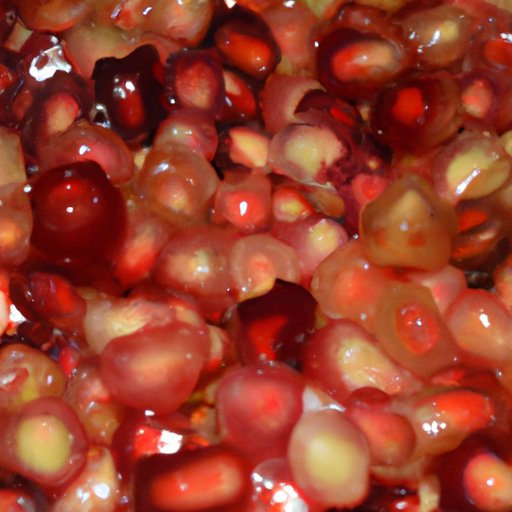
Uncovering the Health Benefits of Eating Pomegranate Seeds
The health benefits of pomegranate seeds are numerous. Studies have shown that eating pomegranate seeds can help lower blood pressure and improve heart health. The antioxidants in pomegranate seeds may help reduce levels of “bad” LDL cholesterol, while increasing levels of “good” HDL cholesterol. Additionally, pomegranate seeds can fight inflammation and reduce the risk of developing certain types of cancer.
Eating pomegranate seeds can also help boost brain function. The antioxidants and other compounds in pomegranate seeds may help protect against age-related cognitive decline and improve memory. Furthermore, pomegranate seeds can help protect against Alzheimer’s disease and Parkinson’s disease.

An Investigation into the Medicinal Uses of Pomegranate Seeds
In addition to providing numerous health benefits, pomegranate seeds may also have medicinal uses. Studies have shown that consuming pomegranate seeds can help treat diabetes. The antioxidants in pomegranate seeds can help reduce insulin resistance, improve glucose tolerance, and lower blood sugar levels. Additionally, pomegranate seeds may help reduce symptoms of arthritis, such as pain and inflammation.
Pomegranate seeds may also be beneficial for pregnant women. The antioxidants in pomegranate seeds can help reduce the risk of preterm labor and low birth weight. Additionally, pomegranate seeds can help protect against pregnancy complications, such as preeclampsia.
Are Pomegranate Seeds a Superfood?
Pomegranate seeds are often referred to as a “superfood” due to their many health benefits. However, it’s important to note that they are not the only superfood out there. Other foods, such as blueberries, kale, and salmon, also provide numerous health benefits. It’s best to incorporate a variety of superfoods into your diet in order to maximize their health benefits.
It’s also important to note that pomegranate seeds may have some potential side effects. Eating too many pomegranate seeds can cause stomach upset, diarrhea, and nausea. Additionally, people taking certain medications should speak to their doctor before consuming pomegranate seeds, as they may interact with certain medications.
How to Incorporate Pomegranate Seeds into Your Diet
Incorporating pomegranate seeds into your diet is easy. You can add them to salads, smoothies, and even baked goods for a delicious and nutritious boost. They make a great topping for oatmeal or yogurt, and you can also mix them into trail mix or granola for a tasty snack.

A Comprehensive Guide to the Health Advantages of Pomegranate Seeds
Pomegranate seeds are a nutrient-rich fruit that offers a variety of health benefits. They are a great source of vitamins, minerals, antioxidants, and other beneficial compounds that can help protect against diseases and promote overall health. Eating pomegranate seeds can help lower blood pressure, improve heart health, fight inflammation, and boost brain function. Additionally, they may be beneficial for treating diabetes and reducing arthritis symptoms. Pomegranate seeds are a great way to get the nutrition you need and should be incorporated into your diet for maximum health benefits.
The recommended intake of pomegranate seeds is 2–3 ounces per day. However, it’s best to speak to your doctor before adding pomegranate seeds to your diet, as they may interact with certain medications. Additionally, it’s important to be mindful of potential side effects, such as stomach upset, diarrhea, and nausea.
Conclusion
Pomegranate seeds are a nutrient-rich fruit that offers numerous health benefits. They are a great source of vitamins, minerals, antioxidants, and other beneficial compounds that can help protect against diseases and promote overall health. Eating pomegranate seeds can help lower blood pressure, improve heart health, fight inflammation, and boost brain function. Additionally, they may be beneficial for treating diabetes and reducing arthritis symptoms. Incorporating pomegranate seeds into your diet is an easy and delicious way to get the nutrition you need and reap the health benefits they offer.
(Note: Is this article not meeting your expectations? Do you have knowledge or insights to share? Unlock new opportunities and expand your reach by joining our authors team. Click Registration to join us and share your expertise with our readers.)