
Introduction
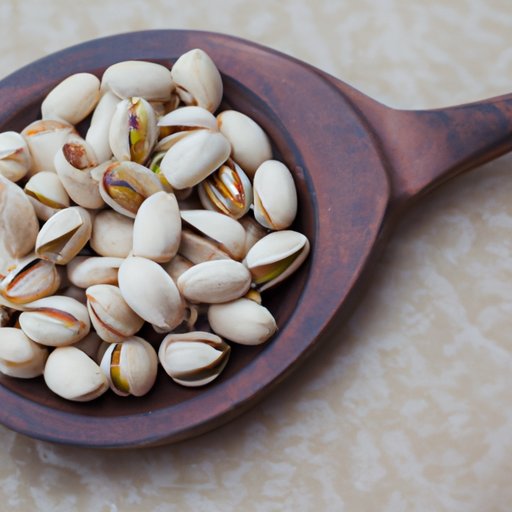
Pistachios are a type of nut that have been consumed for centuries. They are known for their delicious flavor and crunchy texture, but what makes them truly special is their nutritional profile. In recent years, there has been an increasing interest in the health benefits associated with eating pistachios, making them a popular choice among health-conscious individuals. In this article, we will explore the nutritional benefits and health benefits of pistachios, examine how to incorporate them into a healthy diet, and discuss the role they play in heart health.
Body
Nutritional Analysis of Pistachios: Are They Really Healthy?
Pistachios are an excellent source of several essential nutrients, including proteins, fats, carbohydrates, dietary fiber, vitamins, and minerals. According to the USDA National Nutrient Database, one serving (1 ounce) contains approximately 161 calories, 6 grams of protein, 13 grams of fat, 9 grams of carbohydrates, 3 grams of dietary fiber, and trace amounts of calcium, iron, magnesium, phosphorus, potassium, sodium, zinc, thiamin, riboflavin, niacin, vitamin B6, folate, and vitamin E.
These nutrients provide numerous health benefits, including improved digestion, increased energy levels, improved cardiovascular health, and enhanced immunity. For example, the dietary fiber found in pistachios helps to promote regular bowel movements and can reduce the risk of digestive disorders such as constipation and irritable bowel syndrome. Additionally, the high levels of monounsaturated and polyunsaturated fats help to lower cholesterol levels, while the proteins and carbohydrates provide long-lasting energy.
Exploring the Health Benefits of Pistachios
In addition to the essential nutrients mentioned above, pistachios are also packed with antioxidants, which have been linked to a variety of health benefits. According to a 2016 study published in the journal Food Chemistry, pistachios contain high levels of phenolic compounds and flavonoids, which can help to protect against chronic diseases such as cancer, heart disease, and diabetes.
Furthermore, pistachios are a good source of omega-3 fatty acids, which are beneficial for reducing inflammation and improving overall health. Studies have also shown that consuming pistachios may help to lower blood pressure and reduce the risk of stroke. Additionally, pistachios contain lutein and zeaxanthin, two antioxidants that are important for eye health.
How to Incorporate Pistachios into a Healthy Diet
Incorporating pistachios into a healthy diet is simple and straightforward. They can be eaten raw or roasted, added to salads, used as a topping for oatmeal or yogurt, or blended into smoothies. Additionally, they are a great addition to trail mix, granola bars, and other snacks. As with any food, it is best to practice moderation when adding pistachios to your diet.
It is also important to remember that pistachios are not a complete source of nutrition on their own. To maximize the nutritional benefits of pistachios, it is important to include other healthy foods in your diet, such as fruits, vegetables, lean proteins, whole grains, and low-fat dairy products.
The Pros and Cons of Eating Pistachios
Like all foods, there are both advantages and disadvantages to eating pistachios. The primary advantage is that they are an excellent source of essential nutrients, as well as antioxidants and omega-3 fatty acids. Additionally, they have a relatively low calorie content and can help to satisfy hunger without adding extra calories to your diet.
One of the potential drawbacks of pistachios is that they are high in sodium. To minimize this effect, it is important to purchase unsalted varieties and limit the amount you consume. Additionally, pistachios are high in calories, so it is important to practice moderation when eating them.
The Role Pistachios Play in Heart Health
Pistachios are a great choice for individuals looking to improve their heart health. Studies have shown that regularly consuming pistachios can help to reduce “bad” LDL cholesterol and increase “good” HDL cholesterol. Additionally, the antioxidants found in pistachios can help to protect against oxidative damage caused by free radicals, which can contribute to the development of heart disease.
When incorporating pistachios into your diet, it is important to focus on portion control. Aim to consume no more than 1/4 cup of pistachios per day. Additionally, it is important to make sure that other foods in your diet, such as fruits and vegetables, lean proteins, and whole grains, are providing adequate amounts of essential nutrients.
Conclusion
In conclusion, pistachios are an excellent source of essential nutrients, antioxidants, and omega-3 fatty acids. They can be incorporated into a healthy diet to provide numerous health benefits, including improved digestion, increased energy levels, improved cardiovascular health, and enhanced immunity. Additionally, studies have shown that regularly consuming pistachios can help to reduce “bad” LDL cholesterol and increase “good” HDL cholesterol, making them a great choice for those looking to improve their heart health.
(Note: Is this article not meeting your expectations? Do you have knowledge or insights to share? Unlock new opportunities and expand your reach by joining our authors team. Click Registration to join us and share your expertise with our readers.)