
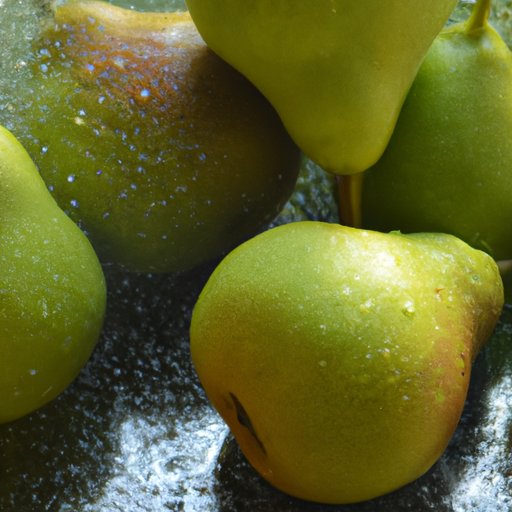
Introduction
Pears have been a beloved fruit for centuries, thanks to their sweet flavor and versatility in recipes. But are pears good for you? In this article, we’ll explore the health benefits of different pear varieties and discover why they should be part of a balanced diet.

Exploring the Nutritional Benefits of Pears
Pears are an excellent source of vitamins and minerals, including vitamin C, potassium, and magnesium. They’re also a good source of dietary fiber. One medium-sized pear contains about 6.3 grams of fiber, which is essential for digestive health.
Pears are also rich in antioxidants, which help protect cells from free radical damage. Studies have found that pears may reduce inflammation and lower the risk of certain diseases, such as cancer and heart disease.

How to Incorporate Pears into Your Diet for Maximum Health Benefits
The best way to get the most out of pears is to incorporate them into your daily meals. Here are some ideas for adding pears to your diet:
- Adding Pears to Salads: Pears make a great addition to salads. They add a sweet, juicy flavor and crunchy texture. Try combining sliced pears with spinach, feta cheese, and walnuts for a delicious salad.
- Eating Pears as a Snack: Pears are a nutritious snack option. For a balanced snack, pair a pear with a handful of nuts or a piece of string cheese.
- Using Pears in Smoothies and Juices: Pears can be used to add sweetness and flavor to smoothies and juices. Try blending a pear with other fruits and vegetables for a delicious and nutritious drink.

Comparing the Health Benefits of Different Pear Varieties
There are several different types of pears available, each with its own unique flavor and health benefits. Here’s a look at three popular varieties and their nutritional values:
- Anjou Pears: Anjou pears are yellow-green in color and have a sweet, mild flavor. They’re a good source of vitamin C, potassium, and dietary fiber.
- Bartlett Pears: Bartlett pears are yellow-green when unripe and turn red-yellow when ripe. They have a sweet, juicy flavor and are a good source of vitamin C, potassium, and dietary fiber.
- Bosc Pears: Bosc pears are brownish-yellow in color and have a firm, crisp texture. They’re a good source of vitamin C, potassium, and dietary fiber.
A Guide to Storing and Ripening Pears
Storing and ripening pears properly will help ensure they stay fresh and retain their nutrients. Here are some tips for storing and ripening pears:
- Storing Pears: Unripe pears should be stored at room temperature until they are ripe. Once they are ripe, they should be refrigerated to keep them fresh longer.
- Determining Ripeness: To determine if a pear is ripe, gently press the stem end with your thumb. If it yields to gentle pressure, it is ripe and ready to eat. If it does not yield, leave it at room temperature for a few days until it is ripe.
The Role of Pears in Traditional Medicines
Pears have long been used in traditional medicines around the world. Ancient Chinese medicine used pears to treat coughs, sore throats, and digestive issues. Today, pears are still used in traditional medical practices, such as Ayurvedic medicine. Studies have found that pears may have anti-inflammatory and antioxidant properties, which could help to reduce the risk of chronic diseases.
Recipes Featuring Pears: Healthy and Delicious Ideas for Every Meal
Ready to start cooking with pears? Here are some healthy and delicious recipes featuring pears:
- Breakfast Ideas: Start your day off right with a pear and ricotta tartine. Spread ricotta cheese on a slice of crusty bread and top with thinly sliced pear and honey for a tasty breakfast.
- Lunch Recipes: A pear and blue cheese salad makes a light and flavorful lunch. Combine chopped pears, crumbled blue cheese, and toasted walnuts with a simple vinaigrette dressing.
- Dinner Dishes: For dinner, try a savory pear and goat cheese tart. Top a pre-made puff pastry crust with sautéed pears, goat cheese, and thyme for a satisfying meal.
- Desserts: Satisfy your sweet tooth with a pear and chocolate crumble. Layer sliced pears with chocolate chips, oats, and a buttery streusel topping for a decadent dessert.
Conclusion
From providing essential vitamins and minerals to offering protection against chronic diseases, pears are a nutritious and delicious addition to any diet. With so many varieties and recipes to choose from, there’s something for everyone. So go ahead and enjoy the many health benefits of pears!
(Note: Is this article not meeting your expectations? Do you have knowledge or insights to share? Unlock new opportunities and expand your reach by joining our authors team. Click Registration to join us and share your expertise with our readers.)