
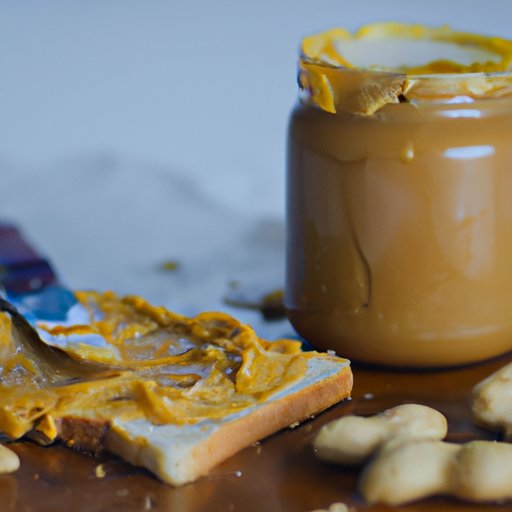
Introduction
Peanut butter and jelly sandwiches are a beloved staple of childhood. But as adults, we often find ourselves asking: Are peanut butter and jelly actually healthy? In this article, we’ll take a closer look at the nutritional content of PB&J and how it can fit into a balanced diet.
Analyzing the Nutritional Content of Peanut Butter and Jelly
Let’s start by taking a look at the nutritional content of peanut butter and jelly. According to the USDA National Nutrient Database, one tablespoon of peanut butter contains 95 calories and 8 grams of fat. It also provides 4 grams of protein, 2 grams of carbohydrates, and 1 gram of sugar.
One tablespoon of jelly or jam contains 50 calories, 0 grams of fat, 0 grams of protein, 13 grams of carbohydrates, and 12 grams of sugar.

Examining the Health Benefits of Peanut Butter and Jelly
Despite its high fat content, peanut butter is actually quite healthy. The fats it contains are mostly unsaturated, meaning they can help reduce bad cholesterol levels and improve heart health. Peanut butter is also packed with protein, vitamins, and minerals like magnesium, phosphorus, zinc, and vitamin E.
Jelly and jam can be part of a healthy diet, too. The key is to opt for varieties made with real fruit rather than added sugars and artificial sweeteners. Real fruit jams and jellies are a great source of antioxidants, which can help protect against disease.

Exploring the Role of Peanut Butter and Jelly in a Balanced Diet
The Dietary Guidelines for Americans recommend limiting calorie intake from added sugars to no more than 10% of total daily calories. That means that if you’re following a 2000-calorie diet, you should limit your added sugar intake to 200 calories per day. Since one tablespoon of jelly contains 12 grams of sugar, you should limit your intake to two tablespoons per day.
In terms of calories, one peanut butter and jelly sandwich typically contains around 350-450 calories. This can vary depending on the type and amount of bread, peanut butter, and jelly used.

Investigating the Impact of Peanut Butter and Jelly on Weight Loss Goals
If you’re trying to lose weight, you may need to pay closer attention to the macronutrients (carbs, proteins, and fats) in your PB&J sandwiches. For instance, if you’re following a low-carb diet, you may need to opt for whole wheat bread instead of white bread and use less jelly. If you’re following a high-protein diet, you’ll want to increase the amount of peanut butter in your sandwich.
You can also opt for reduced-fat peanut butter and sugar-free jelly to cut down on calories. These options still provide the same flavor as regular peanut butter and jelly, but with fewer calories.
Comparing the Nutritional Profiles of Peanut Butter and Jelly to Other Foods
It’s important to compare the nutritional content of peanut butter and jelly to other foods. For instance, while peanut butter is a good source of protein, it’s not as nutrient-dense as lean meats like chicken and fish. Similarly, while jelly is a good source of antioxidants, it’s not as nutrient-dense as fruits and vegetables. Whole grains like oats and quinoa are also a much better source of complex carbohydrates than white bread.
Conclusion
Peanut butter and jelly sandwiches can be part of a healthy diet, but it’s important to keep an eye on portion sizes and opt for healthier ingredients. Choose whole wheat bread, reduced-fat peanut butter, and real fruit jams and jellies to maximize the nutritional benefits. And remember to balance out your PB&J with plenty of lean proteins, whole grains, fruits, and vegetables.
Overall, peanut butter and jelly can be a tasty and nutritious addition to any diet. Just be sure to practice moderation and incorporate other nutrient-rich foods into your meals.
(Note: Is this article not meeting your expectations? Do you have knowledge or insights to share? Unlock new opportunities and expand your reach by joining our authors team. Click Registration to join us and share your expertise with our readers.)