
Introduction
Navy beans, also known as haricot beans, are small white beans that have been a staple in many diets for centuries. They are a type of legume and are highly nutritious, providing numerous vitamins and minerals, as well as fiber and protein. In this article, we will explore the various health benefits of eating navy beans and how they can be incorporated into a healthy diet.
What Are Navy Beans?
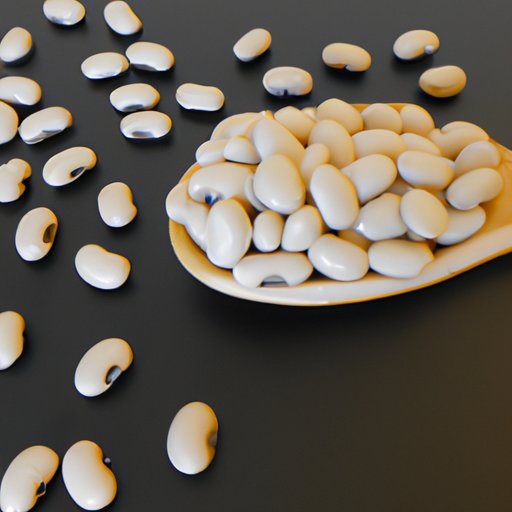
Navy beans are a type of legume that belong to the Phaseolus vulgaris family, which also includes kidney beans, black beans, and pinto beans. They are small, white, oval-shaped beans that have a mild flavor and creamy texture. Navy beans are native to South America, but they are now widely consumed around the world, particularly in North America and Europe.
Overview of the Nutritional Benefits of Eating Navy Beans
Navy beans are an excellent source of nutrition and provide a variety of essential vitamins and minerals, including magnesium, phosphorus, potassium, iron, zinc, and folate. They are also a good source of protein, with one cup (182 grams) of cooked navy beans providing nearly 15 grams of protein. Navy beans are also rich in dietary fiber, with one cup providing 12.5 grams of fiber, making them an excellent food for digestive health.
How Eating Navy Beans Can Help Improve Your Health
Eating navy beans on a regular basis can provide numerous health benefits. Here are some of the key ways that navy beans can improve your health:

Vitamins and Minerals in Navy Beans
Navy beans are an excellent source of several essential vitamins and minerals. They contain high amounts of magnesium, phosphorus, potassium, iron, zinc, and folate, all of which are important for maintaining optimal health. Magnesium helps regulate blood pressure, while phosphorus helps form strong bones and teeth. Potassium helps maintain fluid balance in the body and is essential for nerve and muscle function. Iron helps transport oxygen throughout the body, while zinc and folate are important for immune system function.
Heart-Healthy Fiber in Navy Beans
Navy beans are an excellent source of dietary fiber, with one cup providing 12.5 grams of fiber. This type of fiber is important for maintaining a healthy heart. Dietary fiber helps reduce cholesterol levels, which can lower the risk of developing heart disease. Fiber can also help reduce inflammation, which is another risk factor for heart disease. Additionally, fiber helps keep you feeling full for longer, which can help with weight management.

Phytochemicals and Antioxidants in Navy Beans
Navy beans are also a good source of phytochemicals and antioxidants. Phytochemicals are plant compounds that may help protect against disease, while antioxidants help neutralize harmful free radicals in the body. The phytochemicals and antioxidants in navy beans may help reduce the risk of certain types of cancer and other chronic diseases.

The Health Benefits of Navy Beans for Weight Loss
Navy beans can also be beneficial for those looking to lose weight. They are low in calories, with one cup providing just 209 calories. Navy beans are also a good source of protein, with one cup providing nearly 15 grams of protein. Protein is important for weight loss because it helps keep you feeling fuller for longer, which can help with portion control and cravings.

Navy Beans as a Source of Protein
Navy beans are a good source of plant-based protein, with one cup providing nearly 15 grams of protein. Protein is an important nutrient for maintaining muscle mass, and it can also help keep you feeling full for longer, which can aid in weight loss. Additionally, protein helps build and repair tissues throughout the body, making it an essential nutrient for optimal health.
Navy Beans and Satiety
Navy beans are high in fiber, which can help keep you feeling full for longer. Studies have shown that consuming foods high in fiber can help reduce appetite and promote weight loss. Fiber also helps slow down digestion, which can lead to a more sustained release of energy, making it easier to avoid snacking between meals.

Navy Beans: A Superfood for Optimal Health
Navy beans are an excellent source of nutrition and can provide numerous health benefits. Here are some of the key ways that navy beans can improve your health:
Navy Beans and Cancer Prevention
Studies have shown that consuming navy beans on a regular basis may help reduce the risk of certain types of cancer. This is due to the presence of phytochemicals and antioxidants, which can help protect cells from damage and reduce inflammation. Additionally, navy beans are a good source of folate, which has been linked to a reduced risk of colorectal cancer.
Navy Beans and Diabetes Management
Navy beans can also be beneficial for those with diabetes. This is due to their low glycemic index, which means that they don’t cause rapid spikes in blood sugar levels. Additionally, navy beans are high in fiber, which can help slow down digestion and reduce the absorption of glucose into the bloodstream.
Navy Beans and Gut Health
Navy beans are a good source of prebiotics, which are compounds that help feed the beneficial bacteria in the gut. This can help improve digestive health and reduce the risk of certain digestive disorders. Additionally, navy beans are high in fiber, which can help keep the digestive system running smoothly.
How to Incorporate Navy Beans into a Healthy Diet
Navy beans can easily be incorporated into a healthy diet. They can be added to salads, soups, stews, and chili, or used as a side dish. Navy beans can also be mashed and used as a spread on toast or crackers. Additionally, navy beans can be used to make veggie burgers or falafel. Here are some suggested recipes:
- Veggie Burgers with Navy Beans
- Creamy Navy Bean Soup
- Navy Bean Chili
- Navy Bean Salad
- Navy Bean Falafel
Preparing Navy Beans
It’s important to properly prepare navy beans before consuming them. Navy beans should be soaked overnight before cooking to ensure they are soft and easy to digest. Additionally, it’s important to rinse the beans thoroughly before cooking to remove any dirt or debris. Finally, it’s important to discard any cooking liquid, as it may contain toxins that can be harmful if ingested.
The Pros and Cons of Eating Navy Beans
While there are numerous health benefits of eating navy beans, there are also some potential risks associated with their consumption. Here are the pros and cons of eating navy beans:
Potential Side Effects
Navy beans contain phytic acid, which can interfere with the absorption of certain minerals, such as calcium, iron, and zinc. Additionally, navy beans contain oligosaccharides, which can cause gas and bloating in some people. It’s important to start slowly when introducing navy beans into your diet to allow your body time to adjust.
Alternatives to Navy Beans
If you experience any adverse reactions to navy beans, there are several alternatives that can provide similar health benefits. Lentils, chickpeas, and split peas are all good sources of fiber and protein, and they can be used in place of navy beans in most recipes. Other legumes, such as black beans, kidney beans, and pinto beans, are also good alternatives.
Conclusion
Navy beans are an excellent source of nutrition and provide a variety of essential vitamins and minerals. They are also rich in dietary fiber and protein, making them an excellent food for weight loss and optimal health. Eating navy beans on a regular basis can provide numerous health benefits, such as reducing the risk of certain cancers, improving digestive health, and managing diabetes. However, it’s important to be aware of the potential side effects of eating navy beans, and to start slowly when introducing them into your diet. If you experience any adverse reactions, there are several alternatives that can provide similar health benefits.
Summary of Key Points
Navy beans are a type of legume that are highly nutritious, providing numerous vitamins and minerals, as well as fiber and protein. Eating navy beans on a regular basis can provide numerous health benefits, such as reducing the risk of certain cancers, improving digestive health, and managing diabetes. Additionally, navy beans can be beneficial for those looking to lose weight, as they are low in calories and a good source of protein. However, it’s important to be aware of the potential side effects of eating navy beans, and to start slowly when introducing them into your diet.
Final Thoughts
Navy beans are a nutritious and versatile food that can be easily incorporated into a healthy diet. They provide numerous health benefits, such as reducing the risk of certain cancers, improving digestive health, and managing diabetes. Additionally, navy beans can be beneficial for those looking to lose weight, as they are low in calories and a good source of protein. However, it’s important to be aware of the potential side effects of eating navy beans, and to start slowly when introducing them into your diet.
(Note: Is this article not meeting your expectations? Do you have knowledge or insights to share? Unlock new opportunities and expand your reach by joining our authors team. Click Registration to join us and share your expertise with our readers.)