

Introduction
A hot tub is a large, portable container filled with heated water that can be used for relaxation, hydrotherapy and recreation. Hot tubs often contain jets that create a bubbling effect, which can help to massage the body and improve circulation. In addition to providing a relaxing experience, hot tubs may also offer a number of potential health benefits.

The Benefits of Hot Tub Soaks for Physical and Mental Health
Soaking in a hot tub can provide a number of physical and mental health benefits. According to research conducted by the University of Maryland Medical Center, hot tubs can help to improve circulation, reduce stress levels and improve mood. Other potential benefits include improved sleep, relief from muscle tension and joint pain.
How a Hot Tub Can Help You Sleep Better
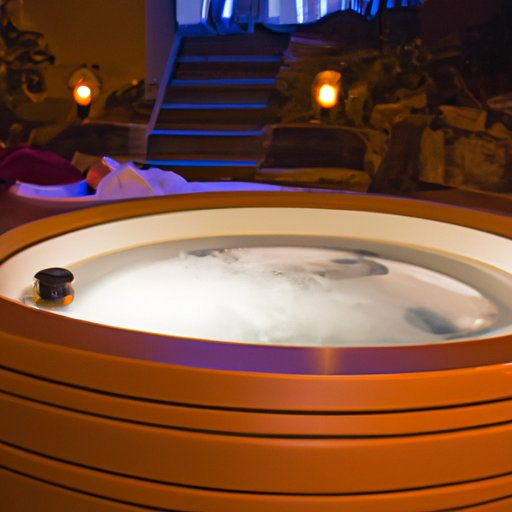
Research suggests that soaking in a hot tub before bed may help to improve the quality of your sleep. The warmth of the water helps to relax the muscles and relieve tension, which can make it easier to fall asleep. Additionally, the warm water can help to reduce feelings of anxiety and stress, which can lead to better sleep.
How Hot Tubs Can Help Relieve Pain and Stress
Hot tubs can also help to reduce muscle tension and ease joint pain. Studies have found that regular use of a hot tub can help to relieve the symptoms of chronic pain conditions such as arthritis. The buoyancy of the water can help to support the body and reduce pressure on the joints, which can help to reduce pain and improve mobility.
What Are the Risks of Using a Hot Tub?
Though hot tubs can provide a number of potential health benefits, there are some risks associated with using a hot tub. Soaking in a hot tub can increase the risk of infections, heat exhaustion and drowning. It’s important to take safety precautions when using a hot tub and to follow the manufacturer’s instructions.
How to Use a Hot Tub Safely and Properly
In order to use a hot tub safely and properly, it’s important to avoid staying in too long. Most experts recommend limiting your time in the hot tub to no more than 15-20 minutes at a time. Additionally, it’s important to keep the water clean and at safe temperatures to prevent the growth of bacteria and other contaminants. Finally, it’s important to always monitor children closely when they’re in a hot tub.
The Best Types of Hot Tubs for Different Needs
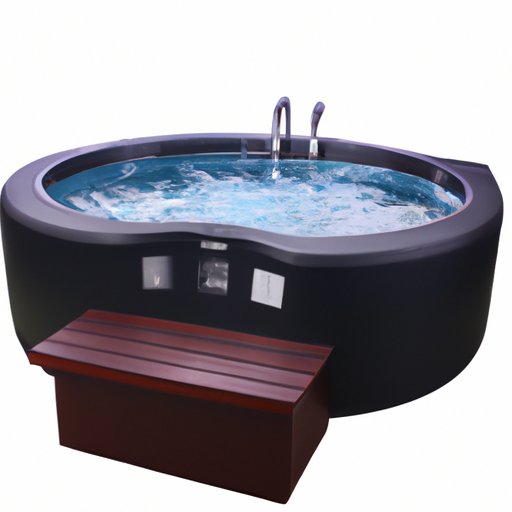
When shopping for a hot tub, it’s important to consider your needs and preferences. There are several different types of hot tubs available, including inflatable hot tubs, portable hot tubs and built-in hot tubs. Inflatable hot tubs are an affordable option that can be set up quickly, while portable hot tubs are easy to move and require minimal installation. Built-in hot tubs are a more permanent option that are designed to blend in with their surroundings.
Conclusion
Hot tubs can provide a number of potential health benefits, including improved circulation, lower stress levels, improved sleep and pain relief. However, it’s important to understand the risks associated with using a hot tub and to use them safely and properly. The best type of hot tub for you will depend on your needs and preferences. By taking the necessary safety precautions and following the manufacturer’s instructions, you can enjoy the many benefits that a hot tub has to offer.
(Note: Is this article not meeting your expectations? Do you have knowledge or insights to share? Unlock new opportunities and expand your reach by joining our authors team. Click Registration to join us and share your expertise with our readers.)