
Introduction
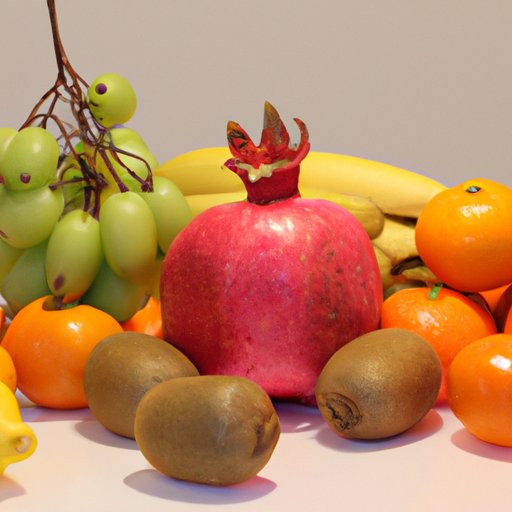
Fruits and vegetables are a vital part of a healthy diet. They provide essential nutrients, vitamins, minerals, and phytochemicals that promote good health and help protect against disease. But which is healthier – fruits or vegetables? In this article, we’ll take a closer look at the nutritional benefits of both fruits and vegetables, as well as exploring their role in managing chronic diseases and how to incorporate them into a healthy diet.
Comparison of Nutritional Benefits Between Fruits and Vegetables
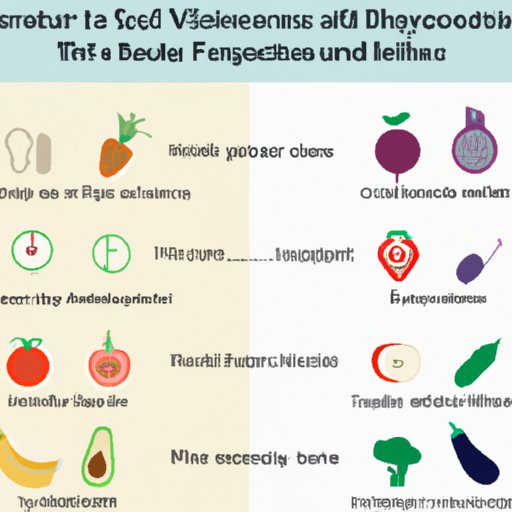
Both fruits and vegetables offer a variety of vitamins and minerals, including vitamins C, E, K, and B6, folate, potassium, magnesium, iron, and calcium. Fruits tend to have higher amounts of some vitamins, such as vitamin C, while vegetables have higher amounts of others, such as iron. Both also contain macronutrients, like carbohydrates and proteins, as well as dietary fiber. Additionally, fruits and vegetables are both rich in phytochemicals, which are compounds found in plants that have disease-fighting properties.
Exploring the Impact of Eating More Fruits and Vegetables on Health
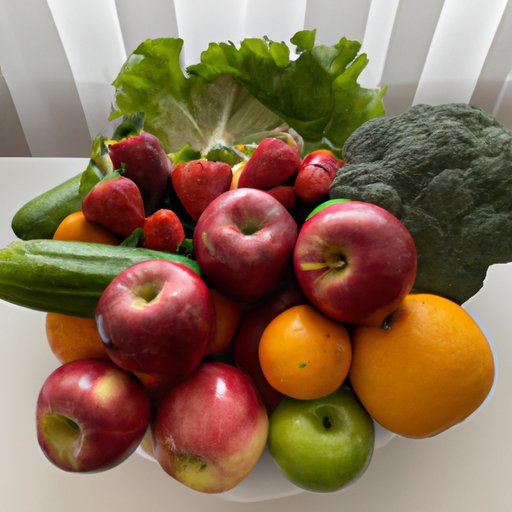
Eating more fruits and vegetables can have a positive impact on overall health. Studies have shown that consuming more fruits and vegetables can improve cardiovascular health by helping to lower blood pressure and reduce cholesterol levels. Eating a diet rich in fruits and vegetables has also been linked to a reduced risk of certain types of cancers, such as colorectal cancer. Additionally, eating more fruits and vegetables can improve digestive health, as they are high in fiber, which helps to keep the digestive system running smoothly. Furthermore, studies have shown that people who eat more fruits and vegetables are less likely to be obese.
Investigating the Role of Fruits and Vegetables in Managing Chronic Diseases
In addition to promoting overall health, eating more fruits and vegetables can also help to manage chronic diseases. For example, research has shown that eating more fruits and vegetables can help to control diabetes by regulating blood sugar levels. Additionally, eating more plant-based foods has been shown to help lower blood pressure, which can help manage hypertension. Finally, eating more fruits and vegetables has been linked to improved mental health, as they are rich in antioxidants, which can help reduce stress and anxiety.

Examining the Differences in Nutrient Content of Fruits and Vegetables
While both fruits and vegetables offer a variety of vitamins and minerals, there are some notable differences in their nutrient content. For example, fruits tend to be higher in vitamin C, while vegetables are typically richer in iron. Additionally, fruits and vegetables differ in their macronutrient content. Fruits are generally higher in carbohydrates, while vegetables are higher in protein. Finally, fruits and vegetables vary in their phytochemical content, meaning that it’s important to eat a variety of both in order to get the full range of beneficial compounds.
How to Incorporate Fruits and Vegetables into a Healthy Diet
It can be difficult to incorporate more fruits and vegetables into your diet, but it doesn’t have to be. Start by making simple swaps, like replacing sugary snacks with fresh fruit or adding a side salad to dinner. You can also try to eat more plant-based meals, like stir-fries and soups. When possible, opt for fresh fruits and vegetables, but don’t be afraid to use frozen or canned when needed. It’s also important to make sure you’re getting enough variety, so try to mix up the types of fruits and vegetables you’re eating.
Conclusion
Fruits and vegetables are an essential part of a healthy diet, providing essential vitamins, minerals, and phytochemicals. While both offer a variety of nutritional benefits, there are some notable differences in their nutrient content. Eating more fruits and vegetables can help improve overall health, as well as helping to manage chronic diseases. Incorporating more fruits and vegetables into your diet can be as simple as making small swaps or eating more plant-based meals.
(Note: Is this article not meeting your expectations? Do you have knowledge or insights to share? Unlock new opportunities and expand your reach by joining our authors team. Click Registration to join us and share your expertise with our readers.)