
Introduction
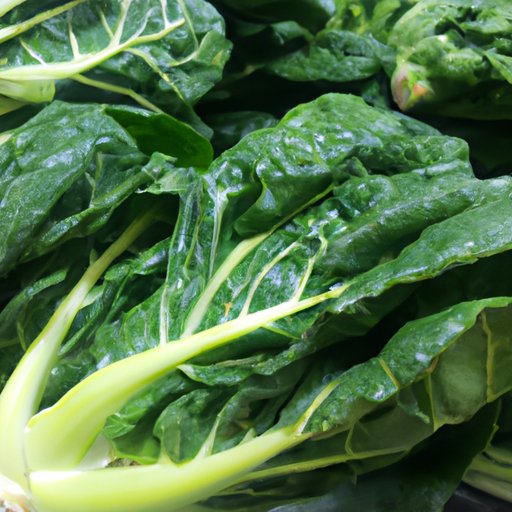
Collard greens are a cruciferous vegetable that is part of the Brassica oleracea species, which includes other leafy green vegetables like kale and cabbage. This nutrient-rich vegetable is full of vitamins and minerals that can provide many health benefits. In this article, we’ll explore the nutritional value of collard greens, the health benefits they offer, and ways to incorporate them into your diet.

Overview of the Nutritional Value of Collard Greens
Collard greens are an excellent source of vitamin A, vitamin C, vitamin K, calcium, and iron. They are also a good source of dietary fiber and contain a variety of phytonutrients. One cup of cooked collard greens provides over 70% of the recommended daily intake of vitamin A and almost 20% of the recommended daily intake of vitamin C. Additionally, they contain trace amounts of folate, magnesium, phosphorus, potassium, and zinc.

Health Benefits of Eating Collard Greens
Eating collard greens can provide numerous health benefits due to their high nutrient content. Here are some of the potential benefits of eating collard greens:
Improved Digestion
Collard greens are a great source of dietary fiber, which is essential for proper digestion. Fiber helps to keep your digestive system running smoothly and can reduce the risk of constipation. According to a study published in the American Journal of Gastroenterology, increasing your fiber intake can help to improve symptoms of irritable bowel syndrome (IBS).
Lower Cholesterol Levels
The fiber found in collard greens can also help to lower cholesterol levels. A study conducted by the University of Toronto found that participants who increased their fiber intake from 10 g per day to 25 g per day experienced a decrease in LDL cholesterol levels after three months.
Reduced Risk of Cancer
Collard greens are packed with antioxidants, which are compounds that can help to protect cells from damage caused by free radicals. Studies have shown that consuming foods high in antioxidants can help to reduce the risk of certain types of cancer. A study published in the International Journal of Cancer found that higher intake of cruciferous vegetables, such as collard greens, was associated with a reduced risk of colorectal cancer.
Increased Vitamin and Mineral Intake
As mentioned earlier, collard greens are a great source of vitamins and minerals. Eating collard greens can help to ensure you’re getting enough of these essential nutrients. For example, one cup of cooked collard greens contains more than 50% of the recommended daily intake of vitamin A and almost 20% of the recommended daily intake of vitamin C.
How to Incorporate Collard Greens into Your Diet
Collard greens are versatile and can be used in a variety of dishes. Here are some ideas for incorporating collard greens into your diet:
Add Them to Salads or Soups
Collard greens can be chopped and added to salads or blended into soups. This is a great way to get an extra boost of vitamins and minerals. Plus, the flavor of collard greens pairs well with other ingredients like tomatoes, mushrooms, and onions.
Use as a Side Dish or Main Course
Collard greens can also be sautéed with garlic and olive oil and served as a side dish or main course. This is a delicious and easy way to enjoy the health benefits of collard greens without having to spend too much time in the kitchen.
Mix with Other Vegetables or Grains
Collard greens can also be mixed with other vegetables or grains to make a flavorful and nutritious meal. Try adding them to quinoa or rice dishes, or mix them with roasted vegetables for an easy and tasty side dish.
Common Questions About Collard Greens and Their Nutritional Content
Here are some common questions about collard greens and their nutritional content:
Are Collard Greens High in Fiber?
Yes, collard greens are high in fiber. One cup of cooked collard greens contains 6.5 g of dietary fiber, which is 26% of the recommended daily intake.
Is Collard Greens a Good Source of Protein?
No, collard greens are not a good source of protein. One cup of cooked collard greens contains only 2.6 g of protein.
Are Collard Greens Low in Calories?
Yes, collard greens are low in calories. One cup of cooked collard greens contains only 35 calories.
The Role of Collard Greens in a Healthy Diet
Collard greens are an excellent addition to any healthy diet. Here are some reasons why you should consider incorporating collard greens into your diet:
A Great Way to Get Essential Nutrients
Collard greens are packed with essential vitamins and minerals, making them a great way to get the nutrients your body needs. Eating collard greens can help you meet your recommended daily intake of vitamins and minerals without having to take a supplement.
An Easy Way to Increase Your Vegetable Intake
We all know that eating more vegetables is important for our health. Adding collard greens to your diet is an easy way to increase your vegetable intake. Plus, they are low in calories, so you don’t have to worry about them adding too many calories to your diet.
What Do Experts Say About the Health Benefits of Collard Greens?
Experts agree that collard greens can provide many health benefits. Here’s what some experts have to say about the potential health benefits of eating collard greens:
The Potential for Improved Heart Health
“Collard greens are high in fiber, which can help lower cholesterol levels and reduce the risk of heart disease. They’re also rich in antioxidants, which may help protect against oxidative stress and inflammation, both of which can contribute to heart disease.” – Dr. Susan Besser, MD, primary care provider at Mercy Medical Center in Baltimore, MD.
The Ability to Fight Inflammation
“Collard greens contain sulforaphane, a compound that can help fight inflammation. This compound is thought to be responsible for many of the health benefits of collard greens, including their ability to reduce the risk of cancer and improve heart health.” – Dr. Michael Greger, MD, founder of NutritionFacts.org.

Recipes to Try with Collard Greens
Now that you know the health benefits of collard greens, here are some recipes to try incorporating them into your diet:
Collard Green Wraps
These wraps are a delicious and healthy way to enjoy collard greens. Simply spread hummus on a large collard green leaf and top with your favorite vegetables. Roll it up and enjoy!
Collard Green Pesto
This pesto is a great way to use up any leftover collard greens. Simply blend together collard greens, olive oil, garlic, pine nuts, and parmesan cheese. Serve over pasta or spread on toast for a flavorful and nutritious meal.
Sauteed Collard Greens
Sautéed collard greens are a simple and tasty side dish. Simply heat olive oil in a skillet and add chopped collard greens. Sauté until the leaves are wilted and serve alongside your favorite protein.
Conclusion
Collard greens are a nutrient-rich vegetable that can provide numerous health benefits. Eating collard greens can help to improve digestion, lower cholesterol levels, reduce the risk of cancer, and increase your vitamin and mineral intake. They are also low in calories and a great way to get essential nutrients without adding too many calories to your diet. With so many potential health benefits, it’s no wonder why experts recommend incorporating collard greens into your diet.
(Note: Is this article not meeting your expectations? Do you have knowledge or insights to share? Unlock new opportunities and expand your reach by joining our authors team. Click Registration to join us and share your expertise with our readers.)