
Introduction
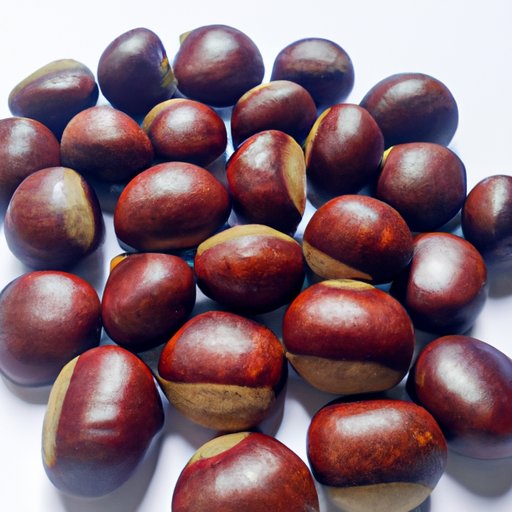
Chestnuts are edible nuts that have been enjoyed for centuries. They’re native to temperate regions in Europe and Asia, but they’re now grown around the world. Chestnuts are unique compared to other nuts because they contain fewer calories and fat and more carbohydrates than traditional tree nuts. But what makes them truly special is their nutritional profile and potential health benefits.

Exploring the Nutritional Profile of Chestnuts
Chestnuts are an excellent source of several key nutrients, including carbohydrates, fiber, protein, vitamins and minerals. Here’s a closer look at the nutritional profile of chestnuts:
Macronutrients
Chestnuts are low in calories and fat but high in carbohydrates. One ounce (28 grams) of chestnuts contains about:
- Calories: 80
- Fat: 0.4 grams
- Carbohydrates: 18.7 grams
- Fiber: 1.9 grams
- Protein: 1.3 grams
Vitamins and Minerals
Chestnuts are also a good source of several vitamins and minerals. A one-ounce serving provides:
- Thiamine (Vitamin B1): 8% of the Daily Value (DV)
- Vitamin C: 5% of the DV
- Potassium: 4% of the DV
- Manganese: 4% of the DV
- Magnesium: 3% of the DV
- Copper: 3% of the DV
Antioxidants
Chestnuts are also a rich source of antioxidants, which are compounds that help protect cells from damage caused by free radicals. Studies have shown that chestnuts contain higher levels of antioxidants than most other nuts, including walnuts, hazelnuts and almonds.
A Look at the Health Benefits of Eating Chestnuts
The impressive nutritional profile of chestnuts may provide a variety of health benefits. Here’s a closer look at some of the potential benefits of eating chestnuts:
Improving Cardiovascular Health
Eating chestnuts may help improve cardiovascular health. A study published in the journal Nutrients found that chestnut consumption was associated with lower cholesterol levels and improved heart health markers. The researchers concluded that chestnuts “could be beneficial for the prevention of cardiovascular diseases.”
Supporting Digestive Health
Chestnuts are a good source of dietary fiber, which is important for digestive health. Fiber helps keep you regular, promotes healthy gut bacteria and may even reduce your risk of colon cancer. One ounce (28 grams) of chestnuts contains 1.9 grams of fiber, which is 7–8% of the Daily Value (DV).
Supporting Weight Management
The low-calorie and high-fiber content of chestnuts make them a great choice for those looking to lose or maintain their weight. Studies have shown that increasing your intake of fiber can help you feel fuller for longer and reduce your overall calorie intake.
Boosting Immunity
Chestnuts are a good source of vitamin C, which is important for immune system health. Vitamin C acts as an antioxidant and helps fight off infections and disease. One ounce (28 grams) of chestnuts provides 5% of the DV for vitamin C.
How Chestnuts Fit into a Healthy Diet
Chestnuts are a versatile and nutritious addition to any diet. Here are some tips for incorporating chestnuts into your meals:
Comparing Chestnuts to Other Nuts
Chestnuts are unique compared to other nuts. Unlike traditional tree nuts, which are high in fat and calories, chestnuts are low in fat and calories and relatively high in carbohydrates. This makes them a healthier alternative to other types of nuts.
Chestnuts as an Alternative to Traditional Grains
Chestnuts can also be used as an alternative to traditional grains. They can be boiled, roasted or ground into flour to make bread, pasta and other grain-based dishes. This is a great way to add extra flavor and nutrition to your meals.

Examining the Potential Risks of Eating Chestnuts
Though chestnuts offer many potential health benefits, there are some potential risks to consider. Here are some of the potential risks of eating chestnuts:
Allergies
Like other nuts, chestnuts can cause allergic reactions in some people. If you have a known allergy to chestnuts or other nuts, it’s best to avoid them. Symptoms of a nut allergy can include hives, itching, swelling and difficulty breathing.
High Sugar Content
Chestnuts are relatively high in sugar. One ounce (28 grams) of chestnuts contains about 2.4 grams of naturally occurring sugars. Though this isn’t a lot, it’s still something to consider if you’re watching your sugar intake.

Cooking Tips for Making Delicious Chestnut Dishes
Chestnuts can be enjoyed in many different ways. Here are some tips for cooking with chestnuts:
Roasting
Roasting chestnuts is a popular and easy way to prepare them. To roast chestnuts, preheat your oven to 400°F (200°C) and cut an X in the flat side of the chestnut shell. Place the chestnuts on a baking sheet and bake for 20–25 minutes until the shells are lightly browned. Allow to cool before peeling.
Boiling
Boiling chestnuts is another easy way to prepare them. To boil chestnuts, bring a pot of water to a boil and add the chestnuts. Boil for 10–15 minutes until the shells are soft. Allow to cool before peeling.
Baking
You can also use chestnuts to make baked goods like cakes and muffins. To bake with chestnuts, grind the chestnuts into a flour using a food processor or blender. Then, use the chestnut flour in place of regular flour in your favorite recipes.
Stir-Frying
Stir-frying chestnuts is a great way to add flavor and texture to your meals. To stir-fry chestnuts, heat a pan over medium-high heat and add oil. Add the chestnuts and cook, stirring frequently, until lightly browned. Serve with your favorite stir-fry vegetables or noodles.
Conclusion
Chestnuts offer a variety of health benefits, including improving cardiovascular health, supporting digestive health and boosting immunity. However, potential risks like allergies and their high sugar content should be considered when incorporating chestnuts into your diet. Chestnuts can be enjoyed in many different ways, such as roasting, boiling, baking and stir-frying. For a healthier diet, try replacing traditional grains with chestnuts or using them as an alternative to other types of nuts.
(Note: Is this article not meeting your expectations? Do you have knowledge or insights to share? Unlock new opportunities and expand your reach by joining our authors team. Click Registration to join us and share your expertise with our readers.)