
Introduction
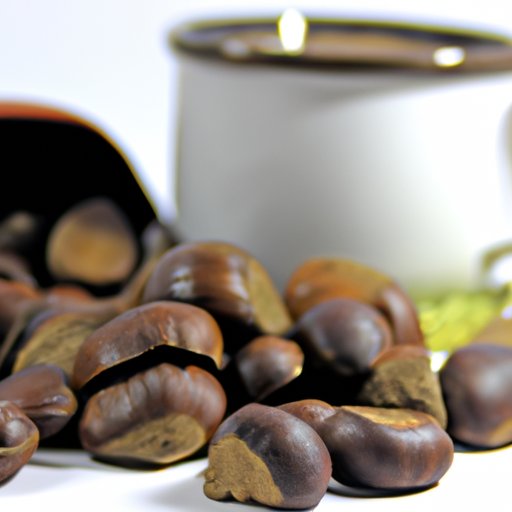
Chestnuts have been enjoyed as a culinary staple around the world for centuries. But are they actually good for you? In this article, we’ll explore the potential health benefits and risks of eating chestnuts, as well as the vitamins and minerals found in them. We’ll also take a look at traditional recipes that incorporate chestnuts and discuss why they’re considered a sustainable alternative to other nuts.
Overview of Chestnuts and Their Nutritional Benefits
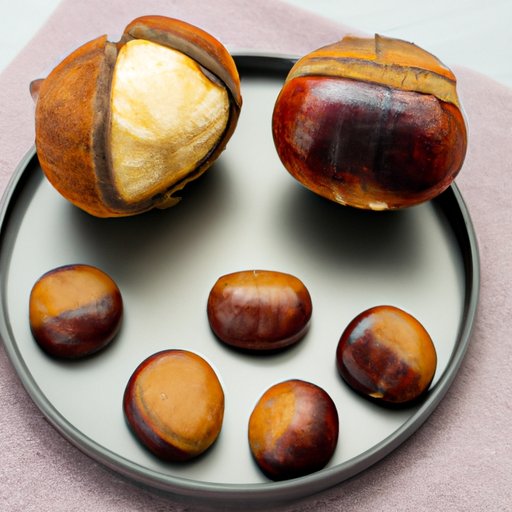
Chestnuts are a type of nut native to North America and Europe. They’re typically larger and more rounded than other nuts and have a sweet, earthy flavor. Unlike other nuts, chestnuts are low in fat and high in carbohydrates, making them an excellent source of energy. They’re also high in fiber and contain a range of essential vitamins and minerals, including vitamin A, B6, and C, as well as magnesium and potassium.
Common Questions About Eating Chestnuts
When it comes to chestnuts, there are a few common questions that people have. Is it safe to eat them raw? Can you eat the skin? Are chestnuts better for you than other nuts? Let’s take a closer look at these questions.
Nutritional Benefits of Eating Chestnuts
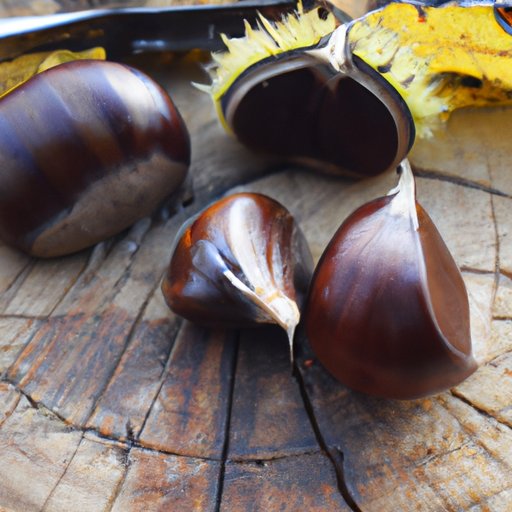
The nutritional benefits of eating chestnuts depend on how they’re prepared. Raw chestnuts are not recommended because they contain tannins, which can cause digestive upset. Roasting or boiling chestnuts is the best way to reduce the tannin content and make them easier to digest.
The vitamins and minerals found in chestnuts include vitamin A, B6, and C, as well as magnesium and potassium. These nutrients play an important role in maintaining healthy bones, muscles, and nerves. They’re also beneficial for heart health, as they help lower cholesterol levels and reduce inflammation.
How to Prepare Chestnuts for Maximum Health Benefits
Roasting chestnuts is the most popular way to prepare them. To do this, you’ll need to score each chestnut with a sharp knife, making sure not to cut too deep. Place them on a baking sheet and bake at 350°F (177°C) for 25-30 minutes. Remove from the oven and allow to cool before peeling away the outer shell.
Boiling chestnuts is another popular method. Place them in a pot of boiling water and simmer for 15-20 minutes. Once cooked, the shells should peel away easily. You can also microwave chestnuts for 4-5 minutes, or steam them for 15-20 minutes.
Whichever method you choose, make sure to discard any chestnuts that don’t peel away easily, as these may contain harmful bacteria.
The Role of Chestnuts in Traditional Cuisines
Chestnuts have long been a staple ingredient in many traditional cuisines around the world. In Italy, they’re often used to make chestnut flour, which is used to make polenta and desserts such as castagnaccio. In France, chestnuts are used to make marrons glacés, a type of candied chestnut. In Japan, they’re used to make kuri-an, a sweet chestnut paste.
In addition to being used in sweet dishes, chestnuts are also used in savory dishes, such as chestnut stuffing and chestnut soup. They’re also used to make purees, which are often served with meats and vegetables.
Chestnuts as a Sustainable Alternative to Other Nuts
Chestnuts are considered a sustainable alternative to other nuts due to their environmental impact. Chestnut trees require less water and fertilizer than other nut trees, and they produce far fewer carbon emissions than other types of agriculture.
In addition, chestnuts are easier to harvest than other nuts. They can be collected by hand rather than needing to be mechanically harvested, reducing the amount of machinery and fuel needed to collect them.
When compared to other nuts, chestnuts are also lower in calories and higher in fiber. This makes them a healthier alternative for those looking to watch their weight.
Are Chestnuts Good for You?
Overall, chestnuts can be a nutritious and delicious addition to your diet. However, like all foods, they should be consumed in moderation. Eating too many chestnuts can lead to stomach discomfort and bloating due to their high fiber content.
It’s also important to note that chestnuts contain trace amounts of cyanide, so it’s best to avoid eating them in large quantities. If you’re pregnant or breastfeeding, consult with your doctor before adding chestnuts to your diet.
Chestnuts as a Source of Essential Vitamins and Minerals
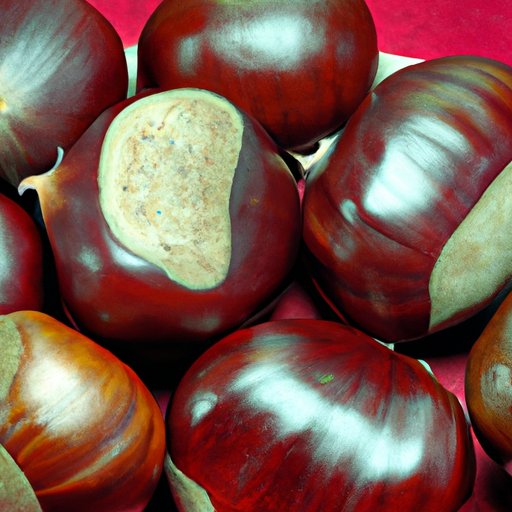
Chestnuts are a good source of essential vitamins and minerals. One serving (100 grams) contains 18% of your daily value of vitamin A, 10% of your daily value of vitamin B6, and 8% of your daily value of vitamin C. They’re also a good source of magnesium and potassium, both of which are important for heart health.
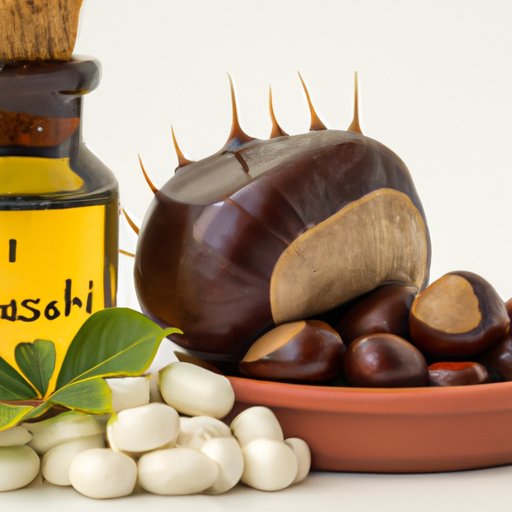
Health Benefits of Chestnut Extracts and Supplements
Chestnut extracts and supplements are becoming increasingly popular due to their potential health benefits. Studies have shown that chestnut extract may help improve blood sugar control, reduce inflammation, and boost immunity. It may also help reduce cholesterol levels and protect against cancer.
However, it’s important to note that the evidence is limited, and more research is needed to fully understand the potential health benefits of chestnut extracts and supplements.
Conclusion
Chestnuts are a nutritious and delicious addition to any diet. They’re high in fiber and contain a range of essential vitamins and minerals. They’re also considered a sustainable alternative to other nuts, as they require less water and fertilizer and produce fewer carbon emissions.
While chestnuts can offer a number of health benefits, it’s important to remember to consume them in moderation. Eating too many can lead to stomach discomfort and bloating. Additionally, chestnuts contain trace amounts of cyanide, so it’s best to avoid eating them in large quantities.
Overall, chestnuts can be a nutritious and flavorful addition to your diet. As with any food, it’s important to practice moderation and listen to your body to ensure you’re getting the most out of your meals.
(Note: Is this article not meeting your expectations? Do you have knowledge or insights to share? Unlock new opportunities and expand your reach by joining our authors team. Click Registration to join us and share your expertise with our readers.)