
Introduction
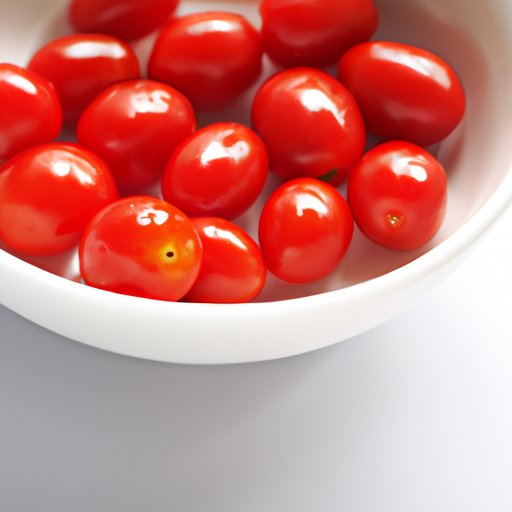
Cherry tomatoes are small, round tomatoes that range in color from yellow to deep red. They have a sweet, juicy flavor that makes them a popular addition to salads and other dishes. But are they good for you? In this article, we’ll take a look at the nutritional content and potential health benefits associated with eating cherry tomatoes.

Nutritional Benefits of Eating Cherry Tomatoes
Cherry tomatoes are an excellent source of essential vitamins and minerals. A single cup of raw cherry tomatoes contains 24 calories, 2 grams of dietary fiber, and 3.5 grams of carbohydrates. It also provides a good amount of vitamin C (21% of the daily recommended value), vitamin A (15%), potassium (7%), and iron (2%).

Health Benefits of Eating Cherry Tomatoes
In addition to their impressive nutrient profile, cherry tomatoes offer a variety of health benefits. Studies suggest that regular consumption of cherry tomatoes may reduce the risk of certain diseases, including heart disease, cancer, and type 2 diabetes.

How Cherry Tomatoes Can Help Improve Your Health
Eating a diet rich in cherry tomatoes may help improve your overall health in several ways:
Improving Blood Pressure
Cherry tomatoes are an excellent source of potassium, which is known to help reduce blood pressure. According to a study published in the American Journal of Clinical Nutrition, individuals who consumed 4,069 milligrams of potassium per day had a significantly lower risk of developing high blood pressure than those who consumed less than 1,500 milligrams per day.
Reducing Cholesterol Levels
Cherry tomatoes are also a good source of dietary fiber, which has been shown to help lower cholesterol levels. A study published in the Journal of the American College of Nutrition found that participants who consumed 10–12 grams of dietary fiber per day had significantly lower total cholesterol levels than those who consumed less than 5 grams per day.
Increasing Antioxidant Levels
Cherry tomatoes are rich in antioxidants, which can help protect against cell damage caused by free radicals. A study published in the British Journal of Nutrition found that participants who ate a diet rich in antioxidants had significantly higher levels of antioxidant enzymes in their blood than those who ate a low-antioxidant diet.
How to Incorporate Cherry Tomatoes into a Healthy Diet
Adding cherry tomatoes to your diet is easy and delicious. Here are a few ideas for incorporating them into your meals:
Adding Cherry Tomatoes to Salads
Cherry tomatoes make a great addition to salads. Try adding them to leafy greens such as kale or spinach, or throwing them into a grain bowl with quinoa or brown rice. For extra flavor, try adding some fresh herbs or a drizzle of olive oil.
Roasting Cherry Tomatoes
Roasting cherry tomatoes brings out their sweetness and intensifies their flavor. Try tossing them with a bit of olive oil, salt, and pepper, then roasting them in the oven at 400 degrees Fahrenheit for 15–20 minutes. Serve them as a side dish, or add them to pasta or pizza.
Making a Cherry Tomato Sauce
Cherry tomatoes make a great base for sauces and soups. Try blending them with garlic, olive oil, and herbs for a quick and easy sauce that can be served over pasta or used as a dipping sauce for bread or vegetables.
Exploring the Antioxidant Properties of Cherry Tomatoes
Cherry tomatoes are a great source of antioxidants, which can help reduce oxidative stress and protect against cell damage. The antioxidants present in cherry tomatoes include lycopene, vitamin C, and beta-carotene.
Lycopene
Lycopene is a carotenoid that gives tomatoes their red color. Studies suggest that it may help reduce the risk of certain cancers, as well as improve heart health. According to a study published in the International Journal of Cancer, participants who consumed the highest amounts of lycopene had a significantly lower risk of prostate cancer than those who consumed the lowest amounts.
Vitamin C
Cherry tomatoes are a good source of vitamin C, which is known to help boost immunity and protect against oxidative stress. A study published in the journal Nutrients found that participants who consumed diets rich in vitamin C had higher levels of antioxidant enzymes in their blood than those who consumed diets low in vitamin C.
Beta-Carotene
Cherry tomatoes are also a good source of beta-carotene, which is converted to vitamin A in the body. Vitamin A is important for vision and immune system health. A study published in the American Journal of Clinical Nutrition found that participants who consumed the highest amounts of beta-carotene had a significantly lower risk of developing age-related macular degeneration than those who consumed the least.
Comparing the Nutritional Content of Cherry Tomatoes to Other Fruits and Vegetables
When comparing the nutritional content of cherry tomatoes to other fruits and vegetables, it’s important to consider calories, vitamins, and minerals. Here’s how they stack up:
Calorie Comparison
A cup of raw cherry tomatoes contains 24 calories, while a cup of raw broccoli contains 31 calories and a cup of raw blueberries contains 84 calories.
Vitamin and Mineral Comparison
Cherry tomatoes are a good source of vitamin A, vitamin C, and potassium. Broccoli is an excellent source of vitamin C and potassium, while blueberries are a good source of vitamin C and manganese.
Conclusion
Cherry tomatoes are an excellent source of essential vitamins and minerals, and adding them to your diet can provide a variety of health benefits. They are rich in antioxidants, which can help reduce oxidative stress and protect against cell damage. They are also a good source of dietary fiber, which can help lower cholesterol levels. Finally, they are an excellent source of potassium, which can help reduce blood pressure. Incorporating them into your diet is easy and delicious – try adding them to salads, roasting them, or making a cherry tomato sauce.
(Note: Is this article not meeting your expectations? Do you have knowledge or insights to share? Unlock new opportunities and expand your reach by joining our authors team. Click Registration to join us and share your expertise with our readers.)