
Introduction
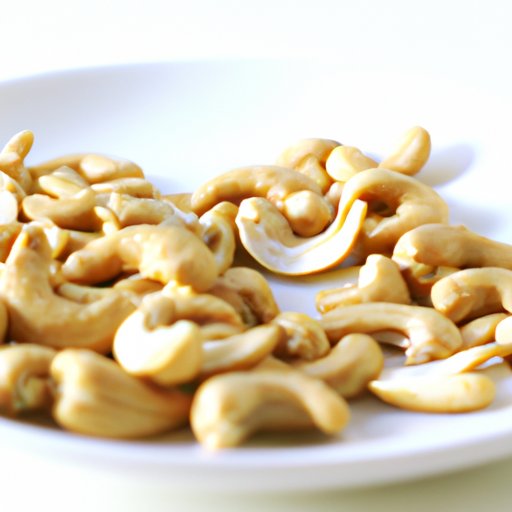
Cashews are one of the most popular types of nuts enjoyed around the world. They have a creamy texture, delicate flavor, and when eaten as part of a balanced diet, may offer numerous health benefits. But what exactly makes cashews so nutritious? Let’s explore the nutritional profile of cashews and the potential health benefits they provide.

Exploring the Nutritional Profile of Cashews
Cashews are nutrient-dense, meaning they are high in beneficial compounds while low in calories. A one-ounce serving (28 grams) of raw cashews provides 157 calories, 12 grams of fat, 5 grams of protein, 9 grams of carbohydrates, 1 gram of fiber, and only 1 gram of sugar.
In terms of micronutrients, cashews are an excellent source of copper and manganese, two minerals important for protecting against oxidative damage and inflammation. They also contain good amounts of iron, magnesium, zinc, selenium, and phosphorus.
Cashews are also rich in B vitamins. According to a study published in Nutrients, cashews are especially high in thiamin and riboflavin, providing about 25 and 10 percent of the recommended daily value per one-ounce serving, respectively. B vitamins are essential for energy production, cognitive functioning, and overall health.

How Eating Cashews Can Help You Reach Your Health Goals
Eating cashews as part of a balanced diet can help you reach your health goals in a variety of ways. Here’s a look at some of the potential benefits of consuming cashews on a regular basis:
Weight Management
Cashews are a great choice for those looking to manage their weight. Studies have found that people who eat nuts regularly tend to have lower body mass index (BMI) scores than those who don’t. One study published in Nutrition Research found that consuming cashews was associated with a lower BMI and waist circumference compared to other nut varieties.
Heart Health
Cashews are high in monounsaturated fats, which have been linked to improved heart health. A systematic review published in Nutrients found that diets high in monounsaturated fats were associated with reduced LDL cholesterol levels and improved cardiovascular risk factors.
Digestive Health
Cashews are an excellent source of dietary fiber, providing 2 grams per one-ounce serving. Fiber helps to keep the digestive system running smoothly by bulking up stool, promoting regularity, and preventing constipation. Additionally, fiber has been linked to improved gut health, as it serves as fuel for beneficial bacteria in the colon.
Brain Health
Studies have shown that consuming nuts like cashews can benefit brain health. A study published in the British Journal of Nutrition found that participants who ate nuts regularly had better cognition and memory performance than those who didn’t. Additionally, cashews are a great source of zinc, which is essential for proper brain function and development.

A Look at the Potential Risks Associated with Cashews
Although cashews can be beneficial for overall health, there are some potential risks associated with consuming them. The most common risk is allergies. Cashews are among the eight most common food allergens, so if you have an allergy to any type of tree nut, you should avoid cashews.
Additionally, cashews are high in calories, so it’s important to practice moderation when eating them. A one-ounce serving contains 156 calories, so it’s easy to overdo it if you’re not mindful of portion sizes.
The Role of Cashews in a Balanced and Healthy Diet
As with all foods, the key to including cashews in a balanced and healthy diet is moderation. Cashews are a great source of beneficial compounds, but it’s important not to overindulge. Aim for about one ounce (or 28 grams) per day to get the health benefits without overdoing it on calories.
It’s also important to include a variety of other healthy foods in your diet. Eating a variety of fruits, vegetables, whole grains, legumes, lean proteins, and healthy fats will ensure you’re getting all the necessary nutrients for optimal health.
How to Incorporate Cashews into Your Daily Meal Plan
Fortunately, there are plenty of delicious ways to incorporate cashews into your daily meal plan. Here are some ideas to get you started:
Recipes
Cashews can be used in a variety of recipes, from savory dishes like curries and stir-fries to sweet treats like vegan cheesecakes and brownies. For breakfast, try blending cashews into a smoothie or adding them to oatmeal or yogurt. For lunch or dinner, add them to salads or your favorite grain bowl.
Creative Ideas
If you’re looking for a quick and easy snack, try roasting cashews in the oven with your favorite herbs and spices. You can also blend them into nut butter or make your own trail mix with cashews, dried fruit, and dark chocolate chips.
Comparing Cashews to Other Nuts: Are Cashews Healthier?
When it comes to comparing cashews to other nuts, it’s important to remember that each type of nut offers its own unique set of nutrients. While cashews may be higher in certain vitamins and minerals, other nuts may be richer in others.
For example, almonds are higher in calcium and vitamin E, while walnuts are higher in omega-3 fatty acids. Pistachios are higher in potassium, and peanuts are higher in folate. So, it’s best to enjoy a variety of nuts to get the most out of their nutritional benefits.
Conclusion
Cashews are a nutrient-dense food, offering many health benefits when included in a balanced diet. They are rich in beneficial compounds like healthy fats, fiber, vitamins, and minerals, and may help with weight management, heart health, digestive health, and brain health. However, it’s important to practice moderation and include a variety of other healthy foods for optimal health.
Overall, cashews are a healthy choice and can be enjoyed in many delicious and creative ways.
(Note: Is this article not meeting your expectations? Do you have knowledge or insights to share? Unlock new opportunities and expand your reach by joining our authors team. Click Registration to join us and share your expertise with our readers.)