
Introduction
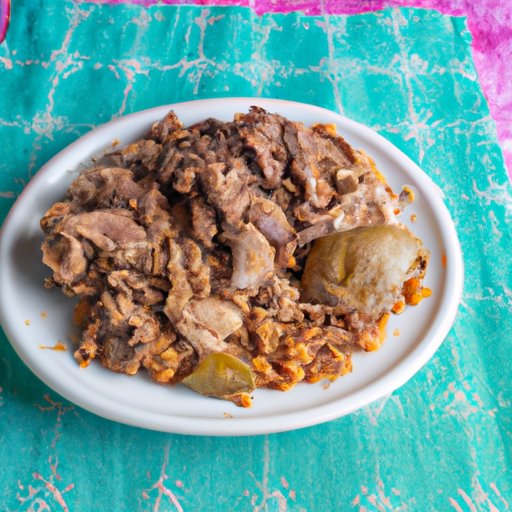
Carnitas is a beloved dish of slow-cooked pork that has been popular in Mexico for centuries. The name itself translates to “little meats” and it is typically served with tacos, burritos, or enchiladas. But what are the health benefits and risks associated with eating carnitas? To answer this question, we’ll take a closer look at the nutrition facts, explore the impact of carnitas on a balanced diet, examine the potential health risks, compare carnitas to other types of meat, and investigate the role of carnitas in Mexican cuisine.
Analyzing the Nutritional Benefits of Carnitas
Let’s start by taking a look at the macronutrients found in carnitas. A 100-gram serving of carnitas contains approximately 155 calories, 8 grams of fat, 17 grams of protein, and 0 grams of carbohydrates. In terms of vitamins and minerals, carnitas is a good source of zinc, selenium, phosphorus, and vitamin B12. It also contains trace amounts of iron, calcium, and magnesium.

Exploring the Impact of Carnitas on a Balanced Diet
When it comes to incorporating carnitas into a healthy diet, there are both pros and cons to consider. On the plus side, carnitas contains high-quality proteins and essential nutrients like B12 and zinc, which can help support proper immune system function. Additionally, the fat content in carnitas is relatively low compared to other types of meat, making it a healthier option than some other animal proteins. However, carnitas does contain saturated fat, which should be eaten in moderation. Additionally, the sodium content in carnitas can be quite high, so it’s important to watch your intake if you’re trying to keep your sodium levels in check.

Examining the Health Risks of Eating Too Much Carnitas
Although carnitas can be part of a healthy diet, consuming too much can lead to some unwanted health consequences. Eating large amounts of carnitas can increase your risk of developing cardiovascular disease, as well as increasing your cholesterol levels. Additionally, the high sodium content in carnitas can lead to high blood pressure and an increased risk of stroke. Furthermore, the saturated fat content in carnitas can contribute to weight gain and obesity.
Fortunately, there are ways to mitigate the health risks associated with eating carnitas. For example, you can choose leaner cuts of pork, such as tenderloin, which have less saturated fat. Additionally, you can reduce the amount of salt added to your carnitas by using herbs and spices instead. Finally, you can opt for grilled or baked carnitas instead of fried, which will reduce the fat content.
Comparing the Health Benefits of Carnitas to Other Meats
Now let’s take a look at how carnitas compare to other types of meat when it comes to nutrition and health benefits. When comparing carnitas to chicken, it’s important to note that carnitas contain less saturated fat and cholesterol than chicken. Additionally, carnitas are a better source of zinc and selenium than chicken. However, carnitas do contain more sodium than chicken, so it’s important to keep that in mind when making dietary choices.
When comparing carnitas to beef, the differences are similar. Carnitas contain less saturated fat and cholesterol than beef, but they do contain more sodium. Additionally, carnitas are a better source of zinc and selenium than beef. All in all, carnitas provide a healthier alternative to beef in terms of nutrition and health benefits.

Investigating the Role of Carnitas in Mexican Cuisine
Finally, let’s take a look at the history and traditional preparations of carnitas. The origins of carnitas can be traced back to the state of Michoacán in Mexico, where it has been a staple of local cuisine for centuries. Traditionally, carnitas are made by simmering pork in lard or oil until it is tender and succulent. The cooked pork is then shredded and served with tacos, burritos, or enchiladas. Today, carnitas are widely available in Mexican restaurants around the world.
Conclusion
In conclusion, carnitas can be a nutritious and delicious addition to any diet. Although it is high in sodium, it is relatively low in saturated fat and cholesterol compared to other types of meat. Additionally, carnitas are a good source of essential vitamins and minerals like zinc, selenium, and vitamin B12. However, it’s important to remember that eating too much carnitas can increase your risk of cardiovascular disease and obesity. By choosing leaner cuts of pork and opting for grilled or baked carnitas instead of fried, you can enjoy the flavor of carnitas without compromising your health.
(Note: Is this article not meeting your expectations? Do you have knowledge or insights to share? Unlock new opportunities and expand your reach by joining our authors team. Click Registration to join us and share your expertise with our readers.)