
Introduction
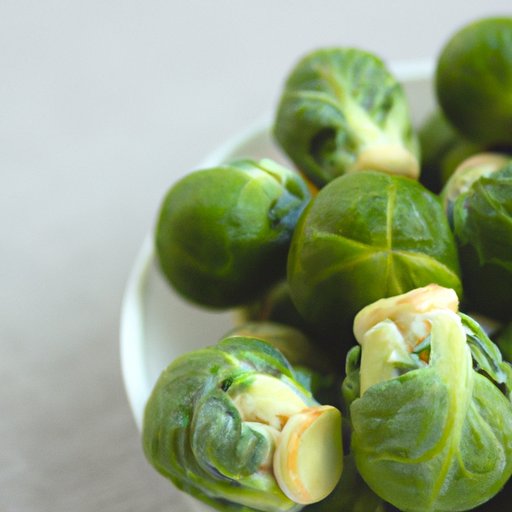
Brussels sprouts are a cruciferous vegetable that have become increasingly popular in recent years. While they have long been enjoyed as a side dish or snack, they have also gained notoriety for their potential health benefits. But are brussels sprouts really good for you? In this article, we’ll explore the nutritional benefits of brussels sprouts and how they can improve your health.

Exploring the Nutritional Benefits of Brussels Sprouts
Brussels sprouts are an excellent source of vitamins, minerals, and other nutrients. They are particularly high in vitamin C, folate, and vitamin K, as well as dietary fiber. They are also a good source of manganese, potassium, and magnesium.
Macronutrient Content
A 100-gram serving of cooked brussels sprouts contains about 43 calories, 3 grams of protein, 7 grams of carbohydrates, and 2 grams of fat. It is important to note that these values may vary depending on how the brussels sprouts are prepared.
Micronutrient Content
Brussels sprouts are an excellent source of numerous vitamins and minerals. A 100-gram serving provides more than 150% of the daily recommended value of vitamin C, 30% of the daily recommended value of vitamin K, and 20% of the daily recommended value of folate. Additionally, they are a good source of manganese, potassium, and magnesium.

How Eating Brussels Sprouts Can Improve Your Health
Eating brussels sprouts has numerous health benefits. Here are some of the most notable:
Improved Digestion
Brussels sprouts are a good source of dietary fiber, which is important for maintaining digestive health. According to a study published in the American Journal of Clinical Nutrition, increasing dietary fiber intake can reduce constipation, bloating, and other digestive issues. Additionally, dietary fiber helps promote gut bacteria diversity, which is important for overall health.
Improved Heart Health
Brussels sprouts contain compounds called glucosinolates, which have been shown to reduce inflammation and lower cholesterol levels. Studies have shown that consuming cruciferous vegetables, such as brussels sprouts, can help reduce the risk of heart disease. Additionally, brussels sprouts are a good source of potassium, which is important for maintaining healthy blood pressure levels.
Reduced Inflammation
Inflammation is a natural response to injury or infection, but chronic inflammation can lead to a variety of health problems. Fortunately, the antioxidants found in brussels sprouts can help reduce inflammation. Additionally, the omega-3 fatty acids found in brussels sprouts can help reduce inflammation, as well.
Improved Blood Sugar Control
Brussels sprouts are low in carbohydrates and contain a type of carbohydrate called resistant starch, which is not readily digested by the body. This means that it takes longer for the body to break down the carbohydrates in brussels sprouts, resulting in slower and steadier increases in blood sugar levels. Additionally, the dietary fiber in brussels sprouts can help slow digestion and reduce spikes in blood sugar levels.
Discovering the Health Benefits of Brussels Sprouts
In addition to the aforementioned benefits, there are several other potential health benefits associated with consuming brussels sprouts. These include:
Antioxidant Benefits
Brussels sprouts contain a variety of antioxidants, including vitamin C, carotenoids, and polyphenols. Antioxidants help protect cells from damage caused by free radicals, which can lead to a variety of health problems. Additionally, antioxidants may help reduce the risk of certain cancers.
Cancer Prevention
Studies have shown that consuming cruciferous vegetables, such as brussels sprouts, may reduce the risk of certain types of cancer. A study published in the journal Nutrition and Cancer found that consuming cruciferous vegetables was associated with a reduced risk of colorectal cancer. Additionally, the glucosinolates found in brussels sprouts may help reduce the risk of other types of cancer.
Weight Management
Because brussels sprouts are low in calories and high in dietary fiber, they can be a helpful addition to any weight loss plan. Dietary fiber helps keep you feeling full longer and can help reduce cravings. Additionally, the resistant starch in brussels sprouts may help reduce appetite and increase feelings of satiety.
Are Brussels Sprouts a Superfood?
While the term “superfood” is often overused, brussels sprouts may deserve this title. A superfood is defined as a food that is exceptionally nutrient-dense and offers a range of health benefits. Brussels sprouts fit this definition perfectly. They are an excellent source of vitamins, minerals, and other nutrients, and studies have shown that they can improve heart health, reduce inflammation, and even help prevent certain types of cancer.

How to Incorporate Brussels Sprouts Into Your Diet
Brussels sprouts can be enjoyed in a variety of ways. They can be roasted, steamed, boiled, sautéed, or even eaten raw. Additionally, there are many delicious recipes featuring brussels sprouts, including salads, soups, and stir-fries.
Exploring the Role of Brussels Sprouts in Disease Prevention
Studies have shown that consuming cruciferous vegetables, such as brussels sprouts, may reduce the risk of certain diseases. A study published in the journal Nutrition and Cancer found that consuming cruciferous vegetables was associated with a reduced risk of colorectal cancer. Additionally, the glucosinolates found in brussels sprouts may help reduce the risk of other types of cancer, including prostate and breast cancer. Furthermore, the antioxidants and omega-3 fatty acids found in brussels sprouts may help reduce the risk of cardiovascular disease and diabetes.
Conclusion
Brussels sprouts are a cruciferous vegetable that offer a variety of health benefits. They are an excellent source of vitamins, minerals, and other nutrients, and studies have shown that they can improve heart health, reduce inflammation, and even help prevent certain types of cancer. Additionally, brussels sprouts are low in calories and high in dietary fiber, making them a great choice for those looking to manage their weight. With so many potential benefits, it is no wonder why brussels sprouts have become a popular superfood.
(Note: Is this article not meeting your expectations? Do you have knowledge or insights to share? Unlock new opportunities and expand your reach by joining our authors team. Click Registration to join us and share your expertise with our readers.)