
Introduction
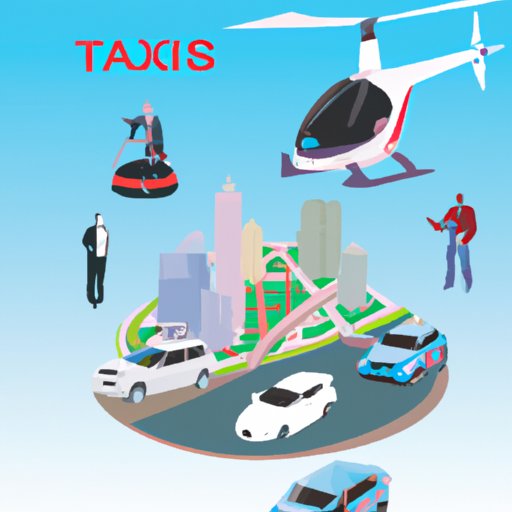
The concept of air taxis has been around for decades, but recent advances in technology have made them a realistic possibility for the near future. While air taxis are still in the early stages of development, they have the potential to revolutionize the way we travel. In this article, we explore the key topics associated with air taxis, such as their safety and security, cost-effectiveness, environmental impact, infrastructure changes, and potential to reduce traffic congestion and boost tourism.

Analyzing the Safety and Security of Air Taxis
Safety is always an important consideration when it comes to air travel, and air taxis are no exception. The Federal Aviation Administration (FAA) sets strict regulations and standards for air taxis, including requirements for pilot certifications and aircraft maintenance. To ensure that these standards are met, all air taxis must be registered with the FAA, and pilots must undergo regular training and evaluations.
In addition to the safety regulations put in place by the FAA, air taxi operators must also take steps to protect passengers from any potential security threats. This is done through the implementation of background checks for pilots and staff, as well as the use of advanced surveillance systems on board the aircraft. Additionally, air taxi operators must adhere to strict protocols for handling luggage and other items brought on board.
Examining the Cost-Effectiveness of Air Taxis for Travelers
Cost is always an important factor when it comes to choosing a form of transportation, and air taxis can offer some significant savings over traditional forms of air travel. According to a study conducted by the University of Michigan, air taxis can save up to 40 percent on costs compared to commercial airlines. This is due to the fact that air taxis are more efficient, as they are able to avoid the long lines and delays associated with airports.
Furthermore, air taxis can also offer travelers flexibility and convenience, as they can be booked on short notice and can pick up passengers directly from their location. This eliminates the need for travelers to arrange for transportation to and from the airport, which can add to the overall cost of a trip.
Assessing the Environmental Impact of Air Taxis
When it comes to the environmental impact of air taxis, there are both positive and negative aspects to consider. On the positive side, air taxis are much more fuel efficient than traditional forms of air travel. According to a study conducted by the International Council on Clean Transportation, air taxis can achieve up to 50 percent greater fuel efficiency than commercial aircraft.
However, air taxis also create emissions that can contribute to air pollution and climate change. To address this issue, air taxi operators must work to reduce their emissions as much as possible. This can be done through the use of electric or hybrid engines, as well as the implementation of other fuel-efficient technologies.

Investigating the Infrastructure Changes Needed for Air Taxis
In order for air taxis to become a viable option for travelers, there must be changes made to the existing infrastructure. For example, airports must be modified to accommodate air taxis, as they will require designated landing pads and access to fueling services. Additionally, new air traffic control systems must be implemented to manage the increased number of aircraft in the sky.
In addition to the changes required at airports, there must also be adjustments made to local roads in order to allow air taxis to land and take off safely. This could involve the installation of special traffic signals, as well as the construction of dedicated landing pads in certain areas.
Examining the Potential for Air Taxis to Reduce Traffic Congestion
Air taxis have the potential to significantly reduce traffic congestion in cities and towns around the world. By taking cars off the roads and allowing passengers to fly directly to their destination, air taxis can help to ease the strain on local roads. Furthermore, air taxis can also help to reduce the amount of time spent in traffic, as they can avoid the delays associated with airports.
In addition to reducing traffic congestion, air taxis can also help to improve air quality by eliminating the emissions created by cars. According to a study conducted by the University of California, Berkeley, air taxis can reduce the number of vehicle miles traveled by up to 20 percent.
Exploring the Impact of Air Taxis on the Tourism Industry
Air taxis have the potential to revolutionize the tourism industry, as they can make it easier and more affordable for people to travel to destinations around the world. With air taxis, tourists can visit more remote locations, as the cost of transportation will be drastically reduced. Additionally, air taxis can reduce the amount of time spent traveling, which can give tourists more time to explore their destination.
Furthermore, air taxis can also have a significant impact on local businesses, as they can bring more visitors to the area. This could lead to an increase in tourism-related jobs, as well as an influx of money into the local economy.
Conclusion
In conclusion, air taxis have the potential to revolutionize the future of travel. They can offer travelers safety and security, cost-savings, and convenience, while also having a positive impact on the environment and the tourism industry. However, it is important to remember that there are risks and costs associated with air taxis, and these should be carefully considered before making the decision to invest in the technology.
(Note: Is this article not meeting your expectations? Do you have knowledge or insights to share? Unlock new opportunities and expand your reach by joining our authors team. Click Registration to join us and share your expertise with our readers.)