

Introduction
Robotics is the branch of technology that deals with the design, construction, operation, and application of robots. Robots are automated machines capable of performing complex tasks with high levels of precision and accuracy. In recent years, robotics has become increasingly popular due to its potential to revolutionize various industries, including the agricultural sector. The use of robotics in agriculture has been shown to increase productivity, reduce labor costs, and improve the quality of produce.
Orange farming is one area where robotics can be particularly beneficial. Orange farming requires a great deal of manual labor and is often hampered by low yields and poor quality of produce. By incorporating robotics into the process, farmers can significantly improve their yields and the quality of their oranges. In this article, we will explore the potential benefits of using robotics in orange farming.
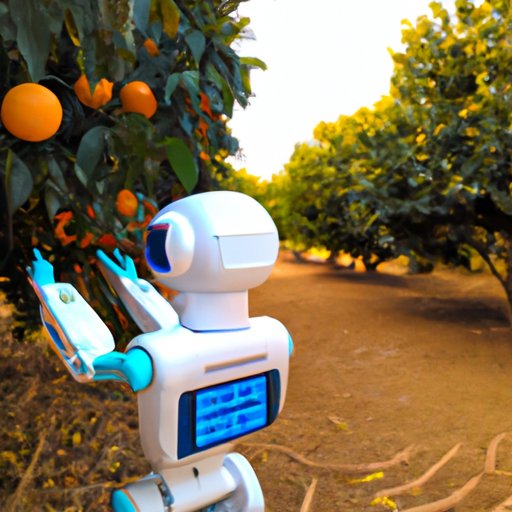
Exploring the Benefits of Using a Robot in an Orange Garden
There are numerous benefits to using robotics in orange farming. The most obvious benefit is increased efficiency. Robots have the capability to perform tasks quickly and accurately, which can drastically reduce the amount of time it takes to complete a task. This can result in increased efficiency and faster harvesting times, leading to higher yields and improved profits for farmers.
Using robots in orange farming can also lead to reduced labor costs. As robots do not need to be paid wages or provided with benefits, they can help to reduce labor costs significantly. This can be particularly beneficial for small-scale farmers who may not be able to afford to hire additional workers.
In addition, robots can improve the quality and yields of oranges. By using robotic arms equipped with sensors, farmers can monitor the quality of their oranges more closely. This can help to identify any issues before they become major problems, resulting in higher yields and better quality oranges.
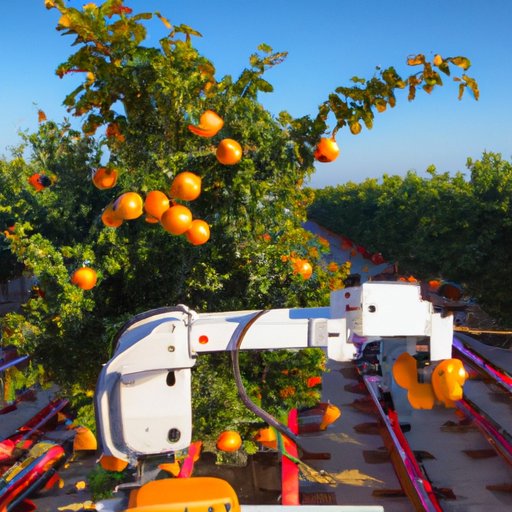
A Look at the Automation of Orange Farming with Robots
Robotics are being used in various ways to automate the process of orange farming. One of the most common methods is the use of robotic arms. These robotic arms are equipped with sensors that allow them to detect the size and shape of the oranges, as well as the ripeness and quality of the fruit. This information can then be used to determine the best time to harvest the oranges, ensuring that the fruit is harvested at the peak of ripeness.
Robots are also being used to perform other tasks in the orange farming process. For example, robots can be used to weed and fertilize the soil, as well as prune the trees and pick the oranges. This automation of the orange farming process can significantly reduce the amount of manual labor required, leading to increased efficiency and cost savings.
The different types of robots used in orange farming vary depending on the specific task they are designed to perform. For example, some robots are designed to pick the oranges, while others are used to weed and fertilize the soil. Other robots are used to monitor the quality of the oranges, while still others are used to prune the trees.
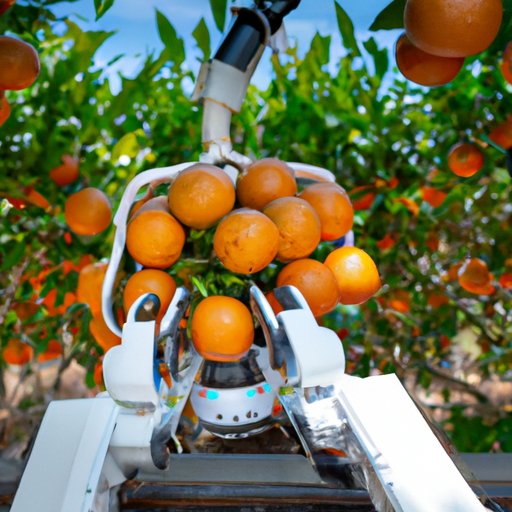
How Robotics are Revolutionizing Orange Harvesting
Robotics are revolutionizing the way oranges are harvested. By using robotic arms equipped with sensors, farmers can precisely and accurately identify the best time to harvest the oranges. This eliminates the need for manual labor and ensures that the oranges are harvested at the peak of ripeness. This leads to higher yields and better quality oranges.
In addition, robots can be used to reduce wastage. As robots are able to pick the oranges more precisely and accurately than humans, there is less risk of wastage due to over-harvesting or under-harvesting. This can help to reduce losses and increase profits for farmers.
Finally, robots can help to increase safety and efficiency. As robots are automated, they can be programmed to perform tasks without the risk of human error. This can reduce the risk of accidents and injuries, as well as increase the speed and efficiency of the harvesting process.
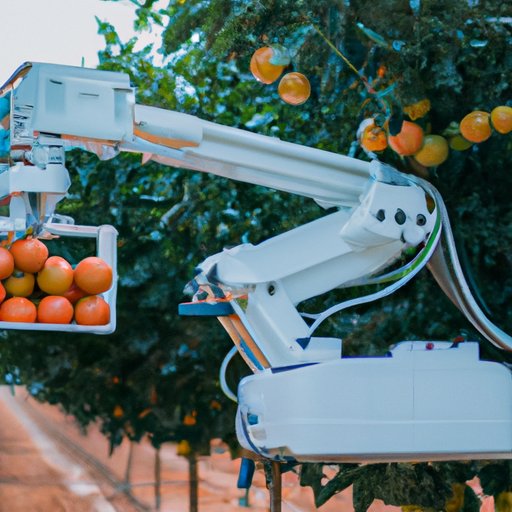
The Impact of Robotic Technology on Orange Farming
The use of robotics in orange farming has had a significant impact on the industry. The most obvious benefit has been increased productivity. By automating the process of orange farming, farmers can increase their yields and reduce their labor costs, resulting in higher profits.
In addition, the use of robotics has improved the quality of the oranges. By using robotic arms equipped with sensors, farmers can monitor the quality of the oranges more closely, resulting in higher quality produce. This can lead to increased customer satisfaction and improved marketability of the oranges.
Finally, the use of robotics has the potential to expand production capacity. As robots can be programmed to perform tasks more quickly and accurately than humans, farmers can increase their production capacity without having to hire additional workers. This can lead to increased profits and greater market share for farmers.
The Future of Orange Farming with Robotics
Robotics technology is continuing to develop, and the use of robotics in orange farming is likely to continue to increase. As robotics technology becomes more advanced, it will become increasingly capable of performing more complex tasks, such as sorting and grading the oranges. This could lead to further increases in efficiency and quality.
In addition, the increasing adoption of robotics in orange farming is likely to lead to cost savings. As robots become more widely used, the cost of purchasing and maintaining them is likely to decrease. This could lead to further reductions in labor costs and increased profits for farmers.
Finally, there are still some challenges that need to be addressed before the full potential of robotics in orange farming can be realized. For example, robots are still limited in their ability to identify and distinguish between different varieties of oranges. This could lead to inaccurate harvests and lower yields if not addressed. Additionally, robots are still relatively expensive, which could limit their adoption in smaller farms.
Conclusion
Robotics has the potential to revolutionize orange farming and lead to increased efficiency, reduced labor costs, improved quality and yields, and increased safety and efficiency. By using robotic arms equipped with sensors, farmers can precisely and accurately identify the best time to harvest the oranges, leading to higher yields and better quality oranges. In addition, the use of robotics can help to reduce wastage and increase productivity, resulting in higher profits for farmers. As robotics technology continues to develop, the use of robotics in orange farming is likely to become even more widespread, leading to further cost savings and increased efficiency.
Summary of the Benefits of Robotics in Orange Farming
The use of robotics in orange farming has numerous benefits, including increased efficiency, reduced labor costs, improved quality and yields, enhanced precision and accuracy, increased safety and efficiency, increased productivity, improved quality of produce, and potential to expand production capacity.
Final Thoughts on the Future of Orange Farming with Robotics
Robotics technology is continuing to develop and the use of robotics in orange farming is likely to become even more widespread. This could lead to further cost savings and increased efficiency, as well as improved quality and yields. However, there are still some challenges that need to be addressed before the full potential of robotics in orange farming can be realized. Nonetheless, robotics has the potential to revolutionize orange farming and lead to increased profits for farmers.
(Note: Is this article not meeting your expectations? Do you have knowledge or insights to share? Unlock new opportunities and expand your reach by joining our authors team. Click Registration to join us and share your expertise with our readers.)