

Introduction
Eating a balanced diet is essential for maintaining optimal health, but it can be difficult to know what types of food to include in your daily meals. One of the most important components of a healthy diet is carbohydrates, but not all carbs are created equal. Healthy carbs are an essential part of any balanced diet, providing essential nutrients and energy for your body. In this article, we’ll explore what healthy carbs are and the benefits of eating them, as well as provide a beginner’s guide to incorporating healthy carbs into your diet.
Definition of “Healthy Carbs”
In its most basic form, carbohydrates are molecules made up of carbon, hydrogen, and oxygen. They are found in foods like grains, fruits, vegetables, dairy products, and legumes. Healthy carbs are those that contain high amounts of fiber and other important nutrients, such as vitamins and minerals. These types of carbs are digested slowly, allowing your body to absorb the nutrients slowly over time. This helps to regulate your blood sugar levels and keep you feeling full longer.

Overview of Benefits from Eating Healthy Carbs
Eating healthy carbs can offer a wide range of benefits, including improved nutrition, better health, and even weight loss. Healthy carbs provide essential nutrients that your body needs to function properly, such as fiber, vitamins, minerals, and antioxidants. They can also boost your energy levels, improve digestion, and reduce your risk of chronic diseases. Additionally, healthy carbs can help with weight loss by keeping you feeling fuller for longer and preventing overeating.

Exploring the Benefits of Healthy Carbs: A Comprehensive Guide
Let’s take a closer look at the various benefits of eating healthy carbs.
Nutritional Benefits
The main benefit of eating healthy carbs is that they provide essential nutrients that your body needs to function properly. Whole grains, for example, are packed with fiber, vitamins, minerals, and antioxidants. Fiber helps to regulate your digestive system, while vitamins and minerals are essential for a strong immune system and overall health. Antioxidants help to protect your cells from damage caused by free radicals.
Health Benefits
In addition to providing essential nutrients, healthy carbs can also offer numerous health benefits. Studies have shown that eating whole grains can reduce your risk of developing type 2 diabetes and heart disease. Additionally, healthy carbs can help to lower your cholesterol and blood pressure levels. According to a study published in the British Medical Journal, eating a diet rich in whole grains can reduce your risk of death from cardiovascular disease by up to 20%.
Weight Loss Benefits
Perhaps one of the most surprising benefits of eating healthy carbs is that they can actually help with weight loss. Eating whole grains and other healthy carbs can help to keep you feeling fuller for longer, which can prevent overeating and reduce your calorie intake. Additionally, studies have shown that eating a diet rich in whole grains can help to increase your metabolic rate, leading to more efficient fat burning and weight loss.
A Beginner’s Guide to Eating Healthy Carbs
Now that we’ve explored the various benefits of eating healthy carbs, let’s take a look at how to incorporate them into your diet.
Understanding Carbohydrates
The first step in incorporating healthy carbs into your diet is understanding what carbohydrates are and how they affect your body. As mentioned earlier, carbohydrates are molecules made up of carbon, hydrogen, and oxygen. Your body breaks down carbohydrates into glucose, which is then used for energy. Simple carbohydrates are broken down quickly, while complex carbohydrates take longer to digest, providing sustained energy throughout the day.
Different Types of Carbs
There are two main types of carbohydrates: simple and complex. Simple carbohydrates are found in processed and refined foods, such as white bread, pastries, and candy. Complex carbohydrates are found in whole grains, fruits, vegetables, legumes, and nuts. These types of carbohydrates are considered to be healthier because they provide essential nutrients and are digested more slowly, which helps to regulate your blood sugar levels.
Tips for Eating Healthy Carbs
When choosing carbohydrates, it’s important to opt for whole-grain options whenever possible. Additionally, try to limit your intake of processed and refined carbohydrates, such as white bread and pastries. You should also focus on eating a variety of different types of carbohydrates, such as whole grains, fruits, vegetables, legumes, and nuts.
How to Incorporate Healthy Carbs into Your Diet
Now that you’re familiar with the different types of carbohydrates, let’s discuss some tips for incorporating healthy carbs into your diet.
Meal Planning
Meal planning is an essential part of incorporating healthy carbs into your diet. Start by making a list of all the meals you plan to eat during the week. Then, focus on adding healthy carbs to each meal. For breakfast, opt for oatmeal or whole-grain toast, while lunch and dinner can include brown rice, quinoa, or sweet potatoes. Additionally, you can add healthy carbs to snacks, such as popcorn, nuts, and fruit.
Choosing the Right Foods
When shopping for groceries, it’s important to choose the right types of foods. Focus on buying whole-grain options, such as whole-wheat bread and brown rice, rather than processed and refined carbohydrates. Additionally, be sure to stock up on plenty of fresh fruits and vegetables, as well as other healthy carbohydrates, such as legumes and nuts.
Portion Control
It’s also important to practice portion control when eating healthy carbs. Aim to fill half of your plate with non-starchy vegetables, such as leafy greens, broccoli, and cauliflower. Then, fill a quarter of your plate with healthy carbohydrates, such as whole grains, fruits, and legumes. The remaining quarter should be filled with lean protein sources, such as fish, chicken, and eggs.
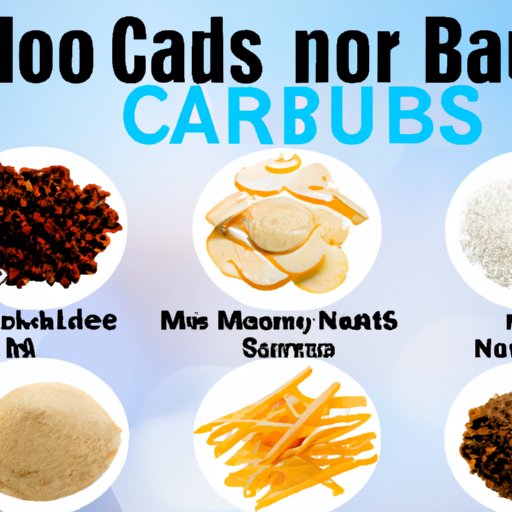
10 Healthy Carb Sources to Add to Your Diet
Here are 10 healthy carb sources to add to your diet:
- Whole Grains
- Fruits and Vegetables
- Legumes
- Nuts and Seeds
- Dairy Products
- Quinoa
- Sweet Potatoes
- Brown Rice
- Oats
- Popcorn
The Best Low-Carb Foods for a Balanced Diet
In addition to incorporating healthy carbs into your diet, it’s also important to include low-carb foods. Protein sources, such as lean meats, fish, and eggs, are great for keeping you feeling full. Non-starchy vegetables, such as leafy greens, broccoli, and cauliflower, are also low in carbs and high in nutrients. Finally, healthy fats, such as avocados, nuts, and seeds, are important for a balanced diet.
Conclusion
In conclusion, healthy carbs are an essential part of any balanced diet. They provide essential nutrients, boost energy levels, and can even help with weight loss. To incorporate healthy carbs into your diet, focus on choosing whole-grain options, limiting processed and refined carbohydrates, and practicing portion control. Additionally, be sure to include low-carb foods, such as protein sources, non-starchy vegetables, and healthy fats, for a balanced diet.
(Note: Is this article not meeting your expectations? Do you have knowledge or insights to share? Unlock new opportunities and expand your reach by joining our authors team. Click Registration to join us and share your expertise with our readers.)