
Introduction
Running is one of the most popular forms of exercise on the planet. It’s a great way to stay fit, improve your health, and have fun all at the same time. But if you’re new to running, it can be intimidating to know where to start. That’s why we’ve put together this comprehensive guide to help you get off to a great start.
What is Running?
Running is an aerobic exercise that involves propelling yourself forward in a continuous motion. It’s often done outdoors, but it can also be done indoors on a treadmill or other surface. Running can be done for pleasure, competition, or as part of a fitness routine. Whatever your reason for running, it’s important to understand the basics of proper form and technique to ensure safety and maximize the benefits.
Benefits of Running
Running has numerous physical and mental health benefits. Physically, it can help strengthen your heart and lungs, reduce the risk of chronic diseases like diabetes and heart disease, and improve your overall fitness level. Mentally, it can help reduce stress and anxiety, improve focus and concentration, and boost self-esteem. According to research published in Frontiers in Psychology, regular running can also help reduce symptoms of depression.
Outline a Beginner-Friendly Running Program
If you’re just getting started with running, it’s best to take things slow. There’s no need to jump into a full-fledged running program right away. Instead, start with a beginner-friendly program that gradually increases in intensity over time. Here are some tips to help you get started:
Start Slow
When starting out, it’s important to begin with short runs at a comfortable pace. Start by walking for five minutes, then gradually increase the length and intensity of your runs. As you become more comfortable with running, you can start to add sprints and hill climbs to your routine.
Increase Intensity Gradually
Once you’ve been running regularly for a few weeks, you can start to increase the intensity of your runs. Focus on adding five to 10 minutes to each run and increasing the speed of your runs. Make sure you don’t increase the intensity too quickly, as this could lead to injuries.
Incorporate Rest Days
It’s important to give your body time to recover after a hard workout. That’s why it’s important to incorporate rest days into your running program. Aim for one to two rest days per week and make sure to get plenty of sleep. This will help to reduce fatigue and prevent injuries.

Tips on How to Get Started
Now that you have a basic understanding of how to create a beginner-friendly running program, let’s look at some tips to help you get started.
Choose the Right Shoes
The right pair of running shoes can make a world of difference. Make sure to invest in a good pair of shoes that are specifically designed for running. A good pair of shoes should provide support, cushioning, and breathability.
Set Goals
Setting goals is an important part of any running program. Your goals should be specific, achievable, and measurable. Start with small goals and work your way up to larger ones. Having clear goals will help keep you motivated and on track.
Track Progress
Tracking your progress is another important part of any running program. Use a running app or keep a logbook to track your mileage, speed, and other metrics. This will help you to see how far you’ve come and identify areas for improvement.
Explain Proper Form and Technique
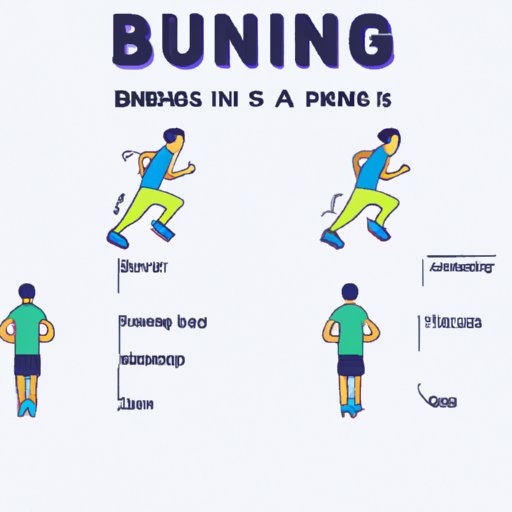
Proper form and technique are critical for any runner, especially beginners. Poor form can lead to injuries, so it’s important to pay attention to your posture, arm movement, and foot strike when you’re running. Here are some tips to keep in mind:
Posture
Maintain an upright posture when running with your head held high, shoulders back, and core engaged. This will help to keep your breathing steady and reduce strain on your lower back.
Arm Movement
Your arms should move in opposition to your legs. Keep your elbows bent at 90 degrees and swing your arms forward and backward in a relaxed manner. This will help you generate momentum and maintain balance.
Foot Strike
Pay attention to where your foot strikes the ground. Aim to land with your foot under your center of gravity and avoid landing on your heel. This will help to reduce the impact on your joints and muscles.

Offer Advice on How to Stay Motivated
Staying motivated can be one of the biggest challenges when it comes to running. Here are some tips to help you stay on track:
Find a Running Buddy
Having someone to run with can make all the difference. Find a running buddy who can help motivate you and keep you accountable. You can also join a local running group or find an online community of runners.
Celebrate Small Wins
It’s important to celebrate your accomplishments, no matter how small. Track your progress and reward yourself for meeting milestones. This will help to keep you motivated and focused on your goals.
Focus on Long-term Goals
When times get tough, it’s easy to lose sight of your long-term goals. Remind yourself why you started running in the first place and focus on the bigger picture. This will help you stay motivated even during challenging times.
Conclusion
Running can be an incredibly rewarding experience. Whether you’re just starting out or looking to take your running to the next level, following these tips can help you get off to a great start. Remember to start slow, increase intensity gradually, incorporate rest days, choose the right shoes, set goals, track progress, maintain proper form and technique, and stay motivated. With dedication and hard work, you can achieve great things.
(Note: Is this article not meeting your expectations? Do you have knowledge or insights to share? Unlock new opportunities and expand your reach by joining our authors team. Click Registration to join us and share your expertise with our readers.)