
Introduction
Ovulation is a process that occurs in the female reproductive system each month. During ovulation, an egg is released from one of the ovaries, which then travels down the fallopian tube where it can potentially be fertilized. Knowing when you are ovulating is important for many reasons, such as improving your chances of getting pregnant or avoiding pregnancy.
Observing Physical Signs of Ovulation
There are several physical signs that can indicate that you are ovulating. These include breast tenderness, increased libido, and light spotting.
Breast Tenderness
One of the most common physical signs of ovulation is breast tenderness. According to a study published in the journal Fertility and Sterility, breast tenderness was reported by nearly half of the women studied during ovulation.1 If you experience sudden breast tenderness during the middle of your cycle, it could be a sign that you are ovulating.
Increased Libido
Another common sign of ovulation is an increase in libido. This is thought to be due to the hormonal changes that occur during ovulation. A study published in the journal Human Reproduction found that women experienced an increase in sexual desire and arousal during ovulation.2 If you notice an increase in your sex drive around the middle of your cycle, it could be a sign of ovulation.
Light Spotting
Some women may experience light spotting or bleeding around the time of ovulation. This is known as ovulatory bleeding and is caused by the surge in hormones that occurs during ovulation. A study published in the journal Obstetrics & Gynecology found that ovulatory bleeding is fairly common, with about 20% of women experiencing some form of bleeding during ovulation.3 If you experience light spotting or bleeding around the middle of your cycle, it could be a sign of ovulation.

Tracking Your Basal Body Temperature
Your basal body temperature (BBT) is another way to track ovulation. BBT is the lowest temperature your body reaches while at rest and is typically measured first thing in the morning before you get out of bed. By tracking your BBT over time, you can get an idea of when you are ovulating.
What is Basal Body Temperature?
Basal body temperature is the lowest temperature your body reaches while at rest. It is typically measured first thing in the morning before you get out of bed. The average resting temperature is between 97-98°F (36-37°C).
How to Take Your Temperature?
To track your BBT, you’ll need a special thermometer designed for taking basal body temperature readings. Place the thermometer under your tongue and leave it there for 3 minutes. Then record the reading on a chart or fertility app.
How to Read the Results?
By tracking your BBT over time, you can get an idea of when you are ovulating. Look for a pattern of temperatures that rise above the normal range (97-98°F) for at least three days in a row. This is usually a sign that you have ovulated.

Charting Changes in Cervical Mucus
Changes in cervical mucus can also be used to track ovulation. Cervical mucus is the fluid produced by the cervix that helps sperm travel to the uterus. By tracking changes in cervical mucus, you can get an idea of when you are ovulating.
What is Cervical Mucus?
Cervical mucus is the fluid produced by the cervix that helps sperm travel to the uterus. It also helps protect sperm from vaginal acidity and keep them alive longer. The amount and consistency of cervical mucus changes throughout the menstrual cycle.
How to Track Changes in Cervical Mucus?
To track changes in cervical mucus, you can observe the amount and consistency of the mucus on a daily basis. For example, after your period ends, there will likely be no mucus present. As you approach ovulation, the amount of mucus will increase and become more slippery and stretchy. This is a sign that you are approaching ovulation.
How to Interpret the Results?
By tracking changes in cervical mucus, you can get an idea of when you are ovulating. Look for a pattern of increased and slippery mucus that lasts for at least three days. This is usually a sign that you have ovulated.
Using Ovulation Tests
Ovulation tests are another way to track ovulation. These tests measure luteinizing hormone (LH), which surges just before ovulation. By testing your LH levels, you can get an idea of when you are ovulating.
What are Ovulation Tests?
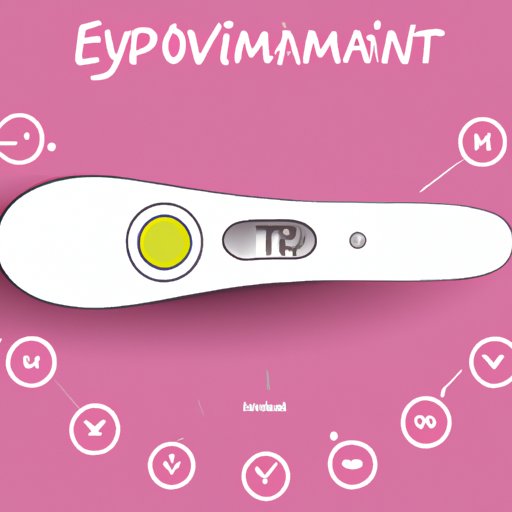
Ovulation tests are sticks that measure luteinizing hormone (LH) in the urine. LH is a hormone that surges just before ovulation. By measuring your LH levels, you can get an idea of when you are ovulating.
How to Use Ovulation Tests?
To use an ovulation test, you’ll need to pee on the stick and wait for the results. Most ovulation tests come with instructions on how to interpret the results.
How to Interpret the Results?
If the ovulation test is positive, it means that your LH levels are elevated and you are likely ovulating. If the test is negative, it means that your LH levels are not elevated and you are not ovulating yet.

Taking Note of Ovulation Pain
Some women may experience ovulation pain, also known as mittelschmerz. This is a sharp pain on one side of the abdomen that occurs around the time of ovulation. While the exact cause of ovulation pain is unknown, it is thought to be related to the release of the egg from the ovary.
What is Ovulation Pain?
Ovulation pain, also known as mittelschmerz, is a sharp pain on one side of the abdomen that occurs around the time of ovulation. It is thought to be caused by the release of the egg from the ovary.
What are the Common Causes of Ovulation Pain?
The exact cause of ovulation pain is unknown, but it is thought to be related to the release of the egg from the ovary. Other possible causes include an increase in hormones, irritation of the lining of the abdomen, or stretching of the ligaments that support the uterus.
How to Manage Ovulation Pain?
If you experience ovulation pain, there are several things you can do to manage it. Taking an over-the-counter pain reliever such as ibuprofen or acetaminophen can help reduce the discomfort. Applying heat to the affected area can also provide relief. Additionally, engaging in relaxation techniques such as yoga or meditation can help reduce stress and ease the pain.
Conclusion
Knowing when you are ovulating is important for many reasons, such as improving your chances of getting pregnant or avoiding pregnancy. There are several ways to determine if you are ovulating, including observing physical signs, tracking your basal body temperature, charting changes in cervical mucus, using ovulation tests, and taking note of ovulation pain. By understanding these methods, you can better track your ovulation cycle and take steps to achieve your reproductive goals.
Key Takeaways
• Ovulation is a process that occurs in the female reproductive system each month. During ovulation, an egg is released from one of the ovaries, which then travels down the fallopian tube.
• There are several physical signs that can indicate that you are ovulating, such as breast tenderness, increased libido, and light spotting.
• By tracking your basal body temperature over time, you can get an idea of when you are ovulating.
• Changes in cervical mucus can also be used to track ovulation. By tracking changes in cervical mucus, you can get an idea of when you are ovulating.
• Ovulation tests measure luteinizing hormone (LH) in the urine and can be used to track ovulation.
• Some women may experience ovulation pain, which is a sharp pain on one side of the abdomen that occurs around the time of ovulation. To manage ovulation pain, taking an over-the-counter pain reliever, applying heat to the affected area, and engaging in relaxation techniques can help.
Additional Resources
• Mayo Clinic: Ovulation: Symptoms and causes
• American College of Obstetricians and Gynecologists: Ovulation Detection
• National Institute of Child Health and Human Development:
(Note: Is this article not meeting your expectations? Do you have knowledge or insights to share? Unlock new opportunities and expand your reach by joining our authors team. Click Registration to join us and share your expertise with our readers.)