
Introduction
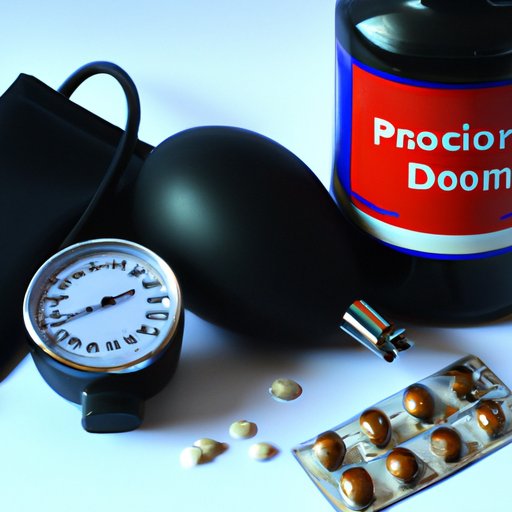
High blood pressure, or hypertension, is a major health concern in the United States. According to the Centers for Disease Control and Prevention (CDC), nearly half of all Americans have high blood pressure. It is a leading cause of stroke, heart attack, and other serious medical conditions.
Blood pressure is measured in millimeters of mercury (mm Hg) and is expressed as two numbers. The first, or top, number is called the systolic pressure and indicates the pressure in the arteries when the heart beats. The bottom, or diastolic, number indicates the pressure in the arteries between beats.
A normal blood pressure reading is less than 120/80 mm Hg. A reading of 140/90 mm Hg or higher is considered high blood pressure. If left untreated, high blood pressure can lead to serious health problems.
Exercise Regularly
Regular exercise can help lower your blood pressure. According to the American Heart Association, just 30 minutes of moderate exercise, such as walking or jogging, five days a week can help lower your blood pressure. Exercise increases blood flow throughout your body, which helps reduce your blood pressure.
In addition to helping you lose weight, regular exercise can also help lower your risk of heart disease, stroke, and diabetes. It can also help reduce stress and improve your overall sense of well-being.

Types of Exercise to Consider
Aerobic exercise, such as walking, running, swimming, and cycling, is the best type of exercise for lowering blood pressure. Strength training is also beneficial as it strengthens your muscles and helps your body become more efficient at using oxygen. Yoga and tai chi are also good options as they combine aerobic activity with relaxation exercises.
Reduce Sodium Intake
Eating too much sodium can raise your blood pressure. The average American consumes 3,400 milligrams of sodium per day, which is much more than the recommended limit of 2,300 milligrams per day. Cutting back on sodium can help lower your blood pressure.

Sources of Sodium in the Diet
Sodium is found naturally in many foods, but most of the sodium that we eat comes from processed foods. Common sources of sodium include table salt, canned soups and vegetables, deli meats, frozen dinners, and fast food. Many condiments, such as ketchup and mustard, also contain sodium.
How to Reduce Sodium Intake
To reduce your sodium intake, avoid processed and packaged foods. Read nutrition labels and choose foods that are low in sodium. Use herbs and spices to flavor your food instead of adding salt. Try to cook more meals at home as restaurant meals tend to be high in sodium.
Eat a Healthy Diet
Eating a healthy diet can help lower your blood pressure. A diet rich in fruits, vegetables, whole grains, and low-fat dairy products can help reduce your risk of high blood pressure. Eating foods high in potassium, such as bananas and sweet potatoes, can also help lower your blood pressure.
Foods to Include
The DASH (Dietary Approaches to Stop Hypertension) diet is an excellent way to get started. It emphasizes eating plenty of fruits, vegetables, and low-fat dairy products and limiting sodium, saturated fat, and added sugars. Other foods to include in your diet are lean proteins, such as fish, poultry, and beans; nuts; and whole grains, such as oats, quinoa, and barley.
Foods to Avoid
To reduce your risk of high blood pressure, it is important to avoid unhealthy foods. This includes foods that are high in saturated fat, trans fat, and cholesterol, such as red meat and full-fat dairy products. You should also limit your intake of processed foods, sugary drinks, and refined grains, such as white bread, pasta, and rice.
Take Medications as Prescribed
If lifestyle changes alone are not enough to lower your blood pressure, your doctor may prescribe medication. There are several types of medications used to treat high blood pressure, including diuretics, beta-blockers, ACE inhibitors, and calcium channel blockers.
What Types of Medications are Used to Lower Blood Pressure?
Diuretics help the body get rid of excess sodium and water. Beta-blockers work by blocking certain hormones that can raise blood pressure. ACE inhibitors block the production of a hormone that causes the blood vessels to narrow. Calcium channel blockers relax the muscles in the walls of the blood vessels, allowing them to widen.

Risks and Benefits of Taking Medication
It is important to talk to your doctor about the risks and benefits of taking any medication. All medications have side effects and some may interact with other medications that you are taking. Your doctor will work with you to find the right medication and dosage for you.
Reduce Alcohol and Caffeine Consumption
Drinking too much alcohol can raise your blood pressure. The American Heart Association recommends no more than two drinks per day for men and one drink per day for women. Caffeine can also increase your blood pressure, so it is best to limit your intake to no more than 200 milligrams per day.

Effects of Alcohol on Blood Pressure
Alcohol can temporarily raise your blood pressure. Over time, drinking too much alcohol can lead to long-term increases in blood pressure. Heavy drinking can also damage the heart muscle, making it harder for your heart to pump blood efficiently.
Effects of Caffeine on Blood Pressure
Caffeine can temporarily raise your blood pressure. For some people, even small amounts of caffeine can cause a spike in their blood pressure. To reduce your risk of high blood pressure, it is best to limit your intake of caffeinated beverages, such as coffee, tea, and energy drinks.
Practice Relaxation Techniques such as Yoga or Meditation
Stress can raise your blood pressure, so it is important to find ways to manage your stress levels. Relaxation techniques, such as yoga and meditation, can help reduce stress and lower your blood pressure. These activities can also help you feel calmer and more in control of your life.
Benefits of Relaxation Techniques
Relaxation techniques can help reduce stress and improve your overall sense of well-being. Research has shown that practicing yoga and meditation can help lower your blood pressure. Both activities can also help reduce anxiety and depression, which can lead to further health problems.
Examples of Relaxation Techniques
Yoga and meditation are two of the most popular relaxation techniques. Other activities that can help reduce stress include deep breathing, progressive muscle relaxation, and guided imagery. Choose activities that you enjoy and that help you feel relaxed.
Conclusion
High blood pressure, or hypertension, affects millions of people in the United States. Making lifestyle changes, such as exercising regularly, reducing sodium intake, eating a healthy diet, taking medications as prescribed, reducing alcohol and caffeine consumption, and practicing relaxation techniques, can help lower your blood pressure. Talk to your doctor about the best plan for you.
By following these tips, you can lower your blood pressure quickly and safely. With the right combination of lifestyle changes and medications, you can reduce your risk of developing serious health problems caused by high blood pressure.
(Note: Is this article not meeting your expectations? Do you have knowledge or insights to share? Unlock new opportunities and expand your reach by joining our authors team. Click Registration to join us and share your expertise with our readers.)