
Introduction
Headphones are a type of audio device used to listen to sound, usually music or other audio content, without disturbing others. They come in several different forms, including earbuds, on-ear headphones, over-ear headphones, and noise-canceling headphones. While these devices are a convenient and popular way to listen to audio content, there are some potential health risks associated with their use.

Examining the Health Risks of Wearing Headphones
When using headphones, there are three primary health risks that should be taken into consideration: potential for hearing loss, potential for physical discomfort, and potential for cognitive impairment.
Potential for Hearing Loss
One of the most common risks associated with headphone use is the potential for hearing loss. The World Health Organization (WHO) estimates that 1.1 billion young people worldwide are at risk for hearing loss due to unsafe use of personal audio devices, such as headphones. Studies have shown that listening to audio content at high volume levels through headphones can cause permanent damage to the inner ear, leading to hearing loss. Additionally, prolonged exposure to loud noises can cause damage to the outer ear, resulting in tinnitus and other hearing-related issues.
Potential for Physical Discomfort
Another potential risk associated with headphone use is physical discomfort. Wearing headphones for long periods of time can lead to fatigue and pain in the ears and head due to pressure from the device. Additionally, wearing headphones at high volume levels can cause headaches and dizziness.
Potential for Cognitive Impairment
Finally, long-term headphone use can lead to cognitive impairment, particularly in children and adolescents. Studies have shown that listening to music or audio content at high volumes through headphones can interfere with concentration, memory, and learning, as well as cause anxiety and depression.
Investigating How Different Types of Headphones Affect Hearing Health
Different types of headphones can have different effects on hearing health. Here is an overview of the four main types of headphones and their potential risks.
Earbuds
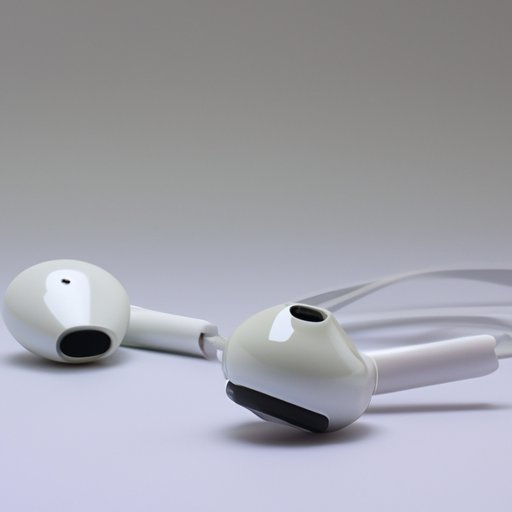
Earbuds are small, in-ear headphones that are inserted directly into the ear canal. They are typically very lightweight and portable, making them a popular choice among users. However, earbuds can increase the risk of hearing loss because they direct sound waves directly into the ear canal, which can lead to higher volume levels and more intense sound. Additionally, the snug fit of earbuds can cause discomfort after extended use.
On-ear and Over-ear Headphones
On-ear and over-ear headphones are larger headphones that cover the entire ear. These types of headphones are generally more comfortable than earbuds, as they don’t press directly into the ear. However, they can still lead to hearing loss if the volume levels are too high. Additionally, on-ear and over-ear headphones can cause discomfort if they are worn for long periods of time.
Noise-canceling Headphones
Noise-canceling headphones are designed to block out external noise by creating an “anti-noise” field. While these headphones can be beneficial in certain situations, such as when trying to focus in a noisy environment, they can also lead to hearing loss if the volume levels are too high. Additionally, noise-canceling headphones can be uncomfortable if worn for long periods of time.

Exploring the Pros and Cons of Using Headphones
Although there are some potential risks associated with headphone use, there are also some benefits. Here is an overview of the pros and cons of using headphones.
Pros
Using headphones has many advantages, including convenience and portability. Headphones allow users to listen to audio content without disturbing others, and they can be used in any situation, such as while exercising or traveling. Additionally, they can provide increased clarity and detail when listening to music or other audio content.
Cons
However, there are also some potential drawbacks to using headphones. As mentioned previously, using headphones can increase the risk of hearing loss, physical discomfort, and cognitive impairment. Additionally, using headphones can be distracting in certain situations, such as when driving or studying.
Understanding the Dangers of Long-Term Headphone Use
Long-term headphone use can have serious consequences for hearing health. Here is an overview of the potential effects of long-term headphone use and strategies to reduce potential risks.
Effects of Long-Term Headphone Use on Hearing Health
Long-term headphone use can lead to permanent hearing loss, tinnitus, and other hearing-related issues. Additionally, long-term use of headphones can lead to physical discomfort, such as fatigue and pain in the ears and head, as well as headaches and dizziness.
Strategies to Reduce Potential Risks
To reduce the potential risks associated with long-term headphone use, it is important to take breaks from using headphones and to avoid listening to audio content at high volume levels. Additionally, it is important to use headphones with noise cancellation features to reduce the risk of hearing loss. Finally, it is important to choose headphones that are comfortable and to limit the amount of time spent wearing them.

Analyzing the Impact of Volume Levels on Ear Damage from Headphones
Volume levels have a significant impact on the potential for hearing damage from headphones. Here is an overview of the effects of high volume levels on hearing health and strategies to reduce potential risks.
Effects of High Volume Levels on Hearing Health
Listening to audio content at high volume levels through headphones can cause permanent hearing loss, as well as tinnitus and other hearing-related issues. Additionally, high volume levels can cause physical discomfort, such as fatigue and pain in the ears and head, as well as headaches and dizziness.
Strategies to Reduce Potential Risks
To reduce the potential risks associated with high volume levels, it is important to limit the amount of time spent listening to audio content at high volume levels. Additionally, it is important to use headphones with noise cancellation features to reduce the risk of hearing loss. Finally, it is important to choose headphones that are comfortable and to limit the amount of time spent wearing them.
Conclusion
Headphones are a convenient and popular way to listen to music and audio content, but there are some potential health risks associated with their use. These include hearing loss, physical discomfort, and cognitive impairment. Different types of headphones can have different effects on hearing health, and long-term headphone use can have serious consequences for hearing health. Additionally, the volume levels of audio content can have a significant impact on the potential for hearing damage from headphones. To minimize the potential risks associated with headphone use, it is important to take breaks from using headphones, limit the amount of time spent listening to audio content at high volume levels, and choose headphones that are comfortable.
(Note: Is this article not meeting your expectations? Do you have knowledge or insights to share? Unlock new opportunities and expand your reach by joining our authors team. Click Registration to join us and share your expertise with our readers.)