
Introduction
Tankless water heaters are becoming increasingly popular among homeowners due to their energy efficiency and cost-effectiveness. A tankless water heater is a type of water heating system that heats water on demand, rather than storing it in a large tank like traditional water heaters. This allows for more efficient use of energy and space, as well as providing hot water whenever it’s needed.
In this article, we’ll explore the different types of tankless water heaters and how they work. We’ll also discuss the advantages and disadvantages of tankless water heaters, as well as provide tips for maintenance and troubleshooting.

Exploring the Different Types of Tankless Water Heaters
Tankless water heaters come in two main types: electric and gas-powered. Electric tankless water heaters use electricity to heat the water, while gas-powered tankless water heaters use natural gas or propane. Both types have their own advantages and disadvantages, which will be discussed later in this article.
Step-by-Step Guide to Understanding How a Tankless Water Heater Works
To understand how a tankless water heater works, it’s important to first understand the difference between traditional and tankless water heaters. Traditional water heaters store hot water in a large tank, which is then drawn from when needed. This means that the water in the tank is always kept hot, even when not being used. In contrast, a tankless water heater only heats the water when it is needed. This helps to conserve energy and reduce costs.
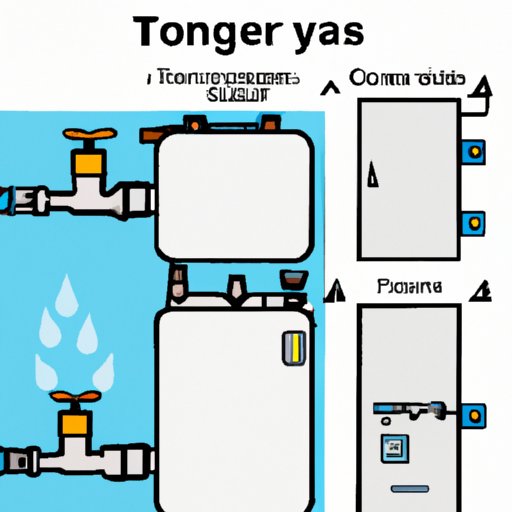
When a hot water tap is turned on, cold water enters the tankless water heater. The water is then heated by either an electric element or a gas burner, depending on the type of tankless water heater. The heated water then travels through pipes to the tap where it is used. This process happens quickly, so there is no delay in having hot water available.
Advantages and Disadvantages of Tankless Water Heaters
Tankless water heaters offer several advantages over traditional water heaters, including cost-effectiveness, energy efficiency, and space savings. According to the Department of Energy, “tankless water heaters can be 24%–34% more energy efficient than conventional storage tank water heaters.” This means that you can save money on your energy bills each month.
Tankless water heaters are also more space-efficient than traditional water heaters. Since they don’t require a large tank, they can be installed almost anywhere in the home. This makes them ideal for small homes or apartments with limited space.
However, there are some potential drawbacks to consider. Tankless water heaters can be more expensive to install than traditional water heaters, and they may require additional modifications to existing plumbing. Additionally, tankless water heaters may not be able to provide enough hot water for larger households.

Tips for Maintaining and Troubleshooting a Tankless Water Heater
Regular maintenance is essential for keeping a tankless water heater running smoothly. It’s important to check the unit regularly for signs of corrosion or leakage, and to make sure the vents and filters are clean. Additionally, it’s a good idea to have the unit inspected annually by a professional.
If you’re experiencing issues with your tankless water heater, there are a few steps you can take to troubleshoot the problem. First, check the unit’s power supply to make sure it’s connected properly. If the issue persists, you may need to call a professional for further assistance.
Conclusion
Tankless water heaters are a great option for those looking for an energy-efficient and cost-effective way to heat their water. They offer several benefits over traditional water heaters, including energy efficiency, space savings, and unlimited hot water. However, there are also some potential drawbacks to consider, such as installation costs and the fact that they may not be suitable for larger households.
It’s also important to remember that regular maintenance and troubleshooting are key to keeping a tankless water heater running smoothly. With proper care and attention, a tankless water heater can provide years of reliable service.
Final Thoughts
Tankless water heaters are a great option for those looking to save money on their energy bills and reduce their environmental impact. With the right maintenance and troubleshooting, they can provide reliable hot water for years to come.
(Note: Is this article not meeting your expectations? Do you have knowledge or insights to share? Unlock new opportunities and expand your reach by joining our authors team. Click Registration to join us and share your expertise with our readers.)