
Introduction
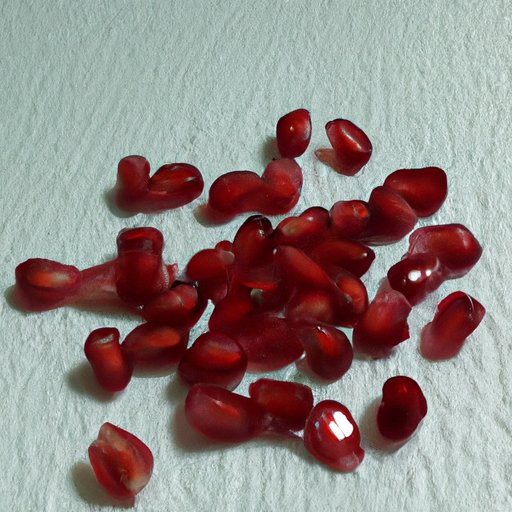
Pomegranates are a delicious, nutrient-dense fruit with numerous potential health benefits. But are you supposed to eat the seeds inside? This article explores the nutritional benefits, science, and recipes associated with eating the seeds in pomegranates. Learn about the vitamins, minerals, antioxidants, and fiber that are found in pomegranate seeds, as well as how to prepare and eat them safely.
Nutritional Benefits of Eating the Seeds in Pomegranates
Pomegranate seeds are packed with essential vitamins and minerals like vitamin C, potassium, phosphorus, calcium, and magnesium. They also contain powerful antioxidants like polyphenols, which have been linked to a variety of potential health benefits. Additionally, pomegranate seeds are a good source of dietary fiber, which can help support digestive health.
Exploring the Science Behind Eating the Seeds in Pomegranates
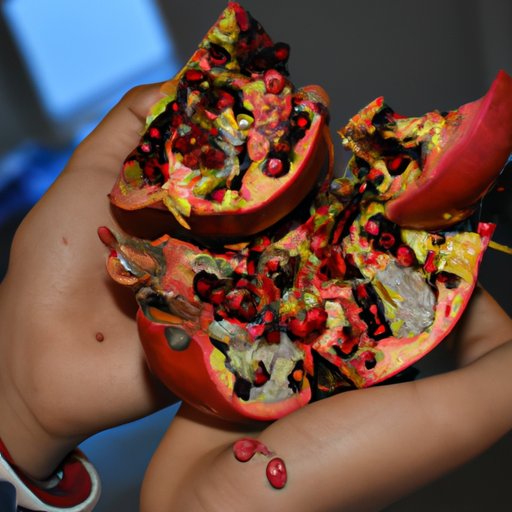
The role of polyphenols in pomegranate seeds is key to understanding the potential health benefits associated with eating them. Polyphenols are natural compounds found in plants that act as antioxidants. These compounds have been linked to reducing inflammation, improving heart health, and even helping to protect against certain diseases. Additionally, studies have suggested that polyphenols may also help protect against cancer and other chronic illnesses.
While more research is needed to fully understand the potential health benefits of polyphenols, they are thought to be beneficial to overall health. In addition to polyphenols, pomegranate seeds are also high in other antioxidants, such as flavonoids, which may provide additional health benefits.
How to Prepare and Eat Pomegranate Seeds
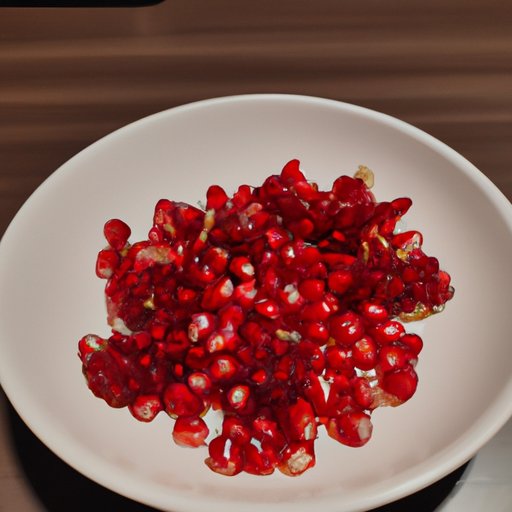
Eating the seeds in pomegranates can be a bit tricky, but here’s a step-by-step guide to make it easier:
- Cut the pomegranate in half.
- Using a spoon, gently scoop out the seeds.
- Separate the seeds from the white membrane.
- Enjoy!
In addition to following this simple guide, there are a few tips for easier consumption. For instance, consuming the seeds with other foods, such as yogurt or oatmeal, can help reduce their tartness. You can also try blending the seeds with other ingredients to make a smoothie or juice.
Cooking with Pomegranate Seeds: Recipes and Ideas
Once you’ve mastered the art of eating the seeds in pomegranates, you can start getting creative with recipes. Here are some ideas for incorporating pomegranate seeds into your meals:
- Salads: Sprinkle pomegranate seeds over salads for a splash of color and flavor.
- Smoothies: Blend pomegranate seeds with your favorite fruits and vegetables to create a refreshing smoothie.
- Desserts: Top cakes, ice cream, and other desserts with pomegranate seeds for added sweetness.
Health Risks of Eating the Seeds in Pomegranates
While eating the seeds in pomegranates can offer many nutritional benefits, there are a few potential risks to consider. First, pomegranate seeds can pose a choking hazard, especially for small children. It’s important to ensure that any pomegranate seeds you consume are chewed thoroughly before swallowing. Additionally, people with allergies to citrus fruits should be aware that pomegranates may cause an allergic reaction.
A Comprehensive Guide to Eating the Seeds in Pomegranates
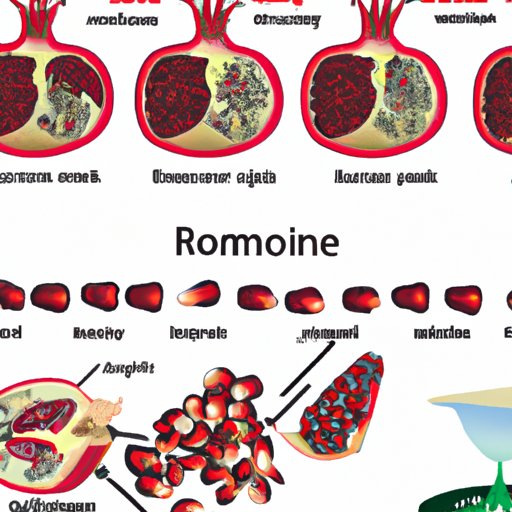
When it comes to eating the seeds in pomegranates, there are many potential benefits and risks to consider. Understanding the nutritional benefits, exploring the science behind consuming pomegranate seeds, and learning how to prepare and eat them safely can help you make an informed decision about whether or not to include them in your diet. Additionally, there are plenty of recipes and ideas for cooking with pomegranate seeds, so it’s easy to find ways to incorporate them into your meals.
Conclusion
In conclusion, eating the seeds in pomegranates can provide a range of potential health benefits, including vitamins, minerals, antioxidants, and fiber. By understanding the science behind consuming these seeds, learning how to prepare and eat them safely, and exploring recipes and ideas for cooking with pomegranate seeds, you can make an informed decision about whether or not to include them in your diet.
(Note: Is this article not meeting your expectations? Do you have knowledge or insights to share? Unlock new opportunities and expand your reach by joining our authors team. Click Registration to join us and share your expertise with our readers.)