
Introduction
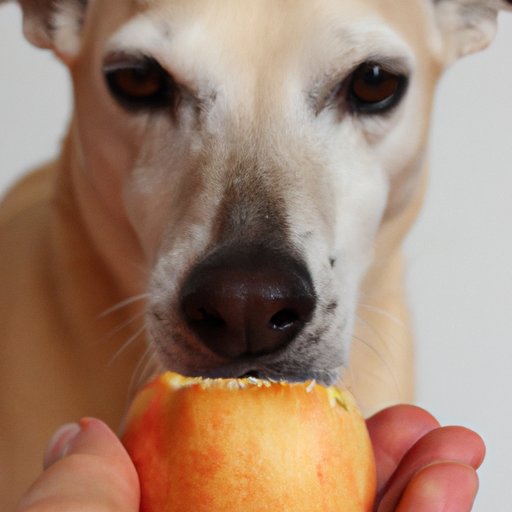
If you’re a dog owner, you may have considered feeding your pup apples as a healthy snack or treat. Apples are packed with vitamins, minerals, and other beneficial compounds that can help keep your pup healthy and strong. But before you feed your dog apples, it’s important to understand the risks and benefits of adding this fruit to their diet.
This article will explore how much apple you can give your dog, what types of apples are safe for dogs, how to tell if an apple is safe for your pooch, and the potential risks of feeding apples to dogs. We’ll also discuss the nutrients apples provide for dogs, how to prepare apples for dogs, and different ways to incorporate apples into your pup’s diet.
The Dos and Don’ts of Feeding Apples to Dogs
When it comes to feeding apples to your pup, there are some dos and don’ts to consider. Here’s what you need to know:
What Types of Apples Are Safe for Dogs?
The best type of apple for your pup is a fresh, ripe apple with no bruises, cuts, or signs of rot or mold. You should avoid giving your dog cooked apples, as they may contain added sugar or other ingredients that could be harmful to your pup. Applesauce and apple juice are also not recommended for dogs, as they usually contain added sugar.
How Much Apple Can I Give My Dog?
As with any new food, you should introduce apples to your pup’s diet slowly. Start by giving them a few small pieces of apple and observe their reaction. If they seem to tolerate the apple well, you can gradually increase the amount you give them. Generally speaking, most dogs can safely eat up to one cup of chopped apple per day.
Potential Risks of Feeding Apples to Dogs
Although apples are generally safe for dogs, there are a few potential risks to keep in mind. For example, the seeds and core of an apple contain small amounts of cyanide, which can be toxic to dogs if consumed in large quantities. In addition, apples may cause digestive upset in some dogs, so it’s important to monitor your pup for any changes in their behavior or appetite after introducing apples to their diet.
How to Tell if an Apple is Safe for Your Dog
Before feeding your pup apples, it’s important to make sure the fruit is safe for them to consume. Here are a few things to look for when selecting apples for your pup:
Checking for Signs of Rot or Mold
When selecting apples, look for signs of rot or mold, such as brown spots or discoloration. If the apple appears to be rotting or has visible mold, discard it. Additionally, make sure the stem and leaves are still attached to the apple, as this indicates the fruit is fresh.
Examining the Skin and Flesh of the Apple
Inspect the skin and flesh of the apple for any bruising, cuts, or discoloration. If the apple has any of these signs, it’s best to discard it. Also, make sure there are no foreign objects, such as insects or dirt, embedded in the skin or flesh of the apple.
What Nutrients Do Apples Provide for Dogs?
Apples are a nutritious and tasty snack for dogs. They’re packed with vitamins, minerals, and other beneficial compounds that can help keep your pup healthy and strong. Here are some of the nutrients apples provide for dogs:
Vitamins and Minerals in Apples
Apples are a good source of several essential vitamins and minerals, including vitamin A, vitamin C, potassium, and magnesium. Vitamin A is important for eye health, while vitamin C helps boost the immune system. Potassium and magnesium help support nerve and muscle function.
Antioxidants and Other Beneficial Compounds
In addition to vitamins and minerals, apples are also a good source of antioxidants and other beneficial compounds, such as quercetin and phloridzin. Quercetin is an antioxidant that can help reduce inflammation and protect against free radical damage. Phloridzin is a compound found in apples that may help reduce the risk of certain diseases, such as cancer and heart disease.

How to Prepare Apples for Dogs
When preparing apples for your pup, it’s important to take certain safety measures to ensure the fruit is safe for them to consume. Here are a few tips for preparing apples for your pup:
Removing the Core and Seeds
The core and seeds of an apple contain small amounts of cyanide, which can be toxic to dogs if consumed in large quantities. To reduce the risk of toxicity, it’s important to remove the core and seeds before feeding your pup apples. This can be done easily with a paring knife or apple corer.
Chopping the Apple into Bite-Sized Pieces
Once you’ve removed the core and seeds, chop the apple into bite-sized pieces. This will make it easier for your pup to chew and digest the apple. You can also puree the apple if desired.
Alternative Preparation Methods
If you don’t want to chop the apple, you can also grate or blend it. Grating the apple will produce small shreds of apple, while blending will create a smoother consistency. Whichever method you choose, make sure to remove the core and seeds before preparing the apple.
Benefits of Adding Apples to Your Dog’s Diet
There are many benefits to adding apples to your pup’s diet. Here are a few of the most notable benefits:
Improved Digestion
Apples are a great source of dietary fiber, which can help improve digestion and prevent constipation in dogs. The fiber in apples can also help maintain a healthy weight by making your pup feel fuller for longer.
Increased Hydration
Apples are high in water content, which can help keep your pup hydrated. This is especially important during hot weather or when your pup is active and sweating. The water in apples can also help flush toxins from your pup’s body, promoting overall health and wellness.
Weight Control
Apples are low in calories and fat, making them an ideal snack for pups who need to watch their weight. The fiber in apples can also help keep your pup feeling full for longer, which can help prevent overeating.

Common Questions About Feeding Apples to Dogs
If you’re considering adding apples to your pup’s diet, you may have some questions about the safety and benefits of this fruit. Here are a few common questions about feeding apples to dogs:
Are Apples Good for Dogs?
Yes, apples are generally considered to be a healthy snack for dogs. They’re packed with vitamins, minerals, and other beneficial compounds that can help keep your pup healthy and strong.
Can Dogs Eat Cooked Apples?
No, it’s best to avoid giving your pup cooked apples. Cooked apples often contain added sugar or other ingredients that could be harmful to your pup.
Can Dogs Eat Apple Skin?
Yes, most dogs can safely eat apple skin. However, it’s important to make sure the apple is fresh and free of any signs of rot or mold.
Different Ways to Incorporate Apples into Your Dog’s Diet
Apples can be a nutritious and delicious snack for your pup. Here are a few different ways to incorporate apples into your pup’s diet:
As a Snack
One of the easiest ways to give your pup apples is as a snack. Simply cut the apple into small pieces and serve them as a treat. You can also add diced apples to your pup’s regular kibble or wet food.
In Homemade Treats
Apples can also be used to make homemade treats for your pup. Try blending apples with other healthy ingredients, such as oats, peanut butter, and honey, to make tasty and nutritious treats your pup will love.
As Part of a Balanced Meal
You can also add apples to your pup’s regular meals. Try adding diced apples to your pup’s kibble or mixing them into their wet food. You can also use apples as a topper for your pup’s regular meals.
Conclusion
Feeding apples to your pup can provide numerous health benefits, such as improved digestion, increased hydration, and weight control. When adding apples to your pup’s diet, it’s important to follow safety precautions and select only fresh, ripe apples with no signs of rot or mold. Be sure to remove the core and seeds before feeding your pup apples, and limit the amount you give them to one cup of chopped apple per day.
By following these tips and using the information in this article, you can safely and effectively add apples to your pup’s diet. With a little bit of planning and preparation, you can give your pup the nutrition they need while still providing them with a delicious and healthy snack.
(Note: Is this article not meeting your expectations? Do you have knowledge or insights to share? Unlock new opportunities and expand your reach by joining our authors team. Click Registration to join us and share your expertise with our readers.)