
Introduction
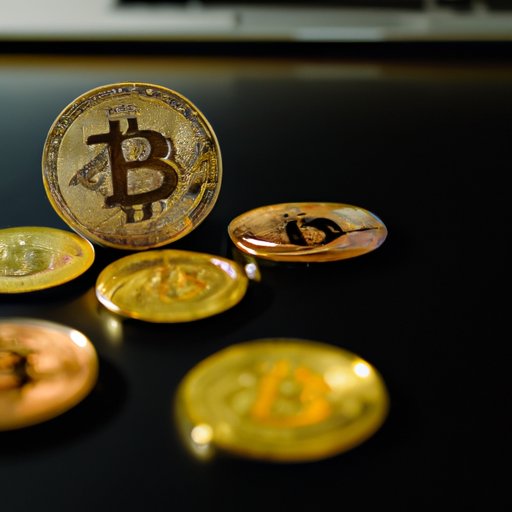
Bitcoin is a digital currency that was created in 2009 by an anonymous individual or group known as Satoshi Nakamoto. It is based on a decentralized, open-source blockchain technology that allows for secure peer-to-peer transactions. Bitcoin has become increasingly popular over the years due to its ability to facilitate online payments without the need for a third party, such as a bank or credit card company. As a result, it has become one of the most widely traded cryptocurrencies in the world.
Cryptocurrency trading refers to the buying and selling of digital currencies like Bitcoin. This activity involves speculating on the future price movements of these digital assets. Cryptocurrency traders typically buy coins when they believe their prices will increase and sell them when they believe their prices will decrease. In order to participate in cryptocurrency trading, individuals must first understand the basics of how Bitcoin works and how to securely store it.
Researching Bitcoin
Before getting started with buying, selling, or investing in Bitcoin, it is important to understand the technology behind it. Bitcoin is powered by a distributed public ledger called the blockchain. This ledger records every transaction made in the network and is maintained by miners who are rewarded for verifying transactions. Blockchain technology ensures that all transactions are secure and immutable.
In addition to understanding the basics of the blockchain, it is also important to familiarize yourself with the different types of wallets available for storing Bitcoin. Wallets are used to store, send, and receive coins. Different wallets offer different levels of security, so it is important to research which wallet is best suited to your needs before making a purchase.
Setting Up a Bitcoin Wallet
Once you have researched the technology behind Bitcoin and selected a wallet, the next step is to set up the wallet. Setting up a wallet requires downloading the appropriate software, providing personal information, and following the instructions provided by the software. Depending on the type of wallet you choose, you may also be required to provide additional security measures, such as two-factor authentication.
After setting up a wallet, it is important to make sure that it is secure. To do this, you should enable two-factor authentication and ensure that your private keys are backed up in a secure location. Additionally, it is important to create a strong password and not share it with anyone else.
Bitcoin Exchanges
Once you have a secure wallet setup, you are ready to start trading on an exchange. Exchanges are platforms where users can buy and sell Bitcoin and other cryptocurrencies. Exchanges can be either centralized or decentralized. Centralized exchanges are run by a third-party organization and require users to register and provide personal information. Decentralized exchanges are run on a peer-to-peer basis and do not require registration.
It is important to research the different exchanges before selecting one. You should look for an exchange that offers competitive fees, a wide selection of coins, and good customer support. Additionally, it is important to check the exchange’s security measures to ensure that your funds are safe.
Investing in Bitcoin
Investing in Bitcoin can be a lucrative endeavor, but it is important to understand the risks associated with doing so. The price of Bitcoin is highly volatile and can rise or fall dramatically within a short period of time. Additionally, there is no guarantee that investments in Bitcoin will be profitable.
To mitigate the risks associated with investing in Bitcoin, it is important to diversify your portfolio and only invest what you can afford to lose. Additionally, it is important to keep up to date with the latest news and developments in the cryptocurrency space to stay informed of any potential risks.
Buying Bitcoin
Once you have researched the different exchanges and decided which one to use, you are ready to buy Bitcoin. To do so, you will need to deposit funds into your account using one of the accepted payment methods. Common payment methods include bank transfers, debit cards, and credit cards.
Once your funds have been deposited, you can then select the amount of Bitcoin you wish to purchase and click “buy”. After the transaction is complete, the Bitcoin will be sent to your wallet. It is important to remember that the price of Bitcoin can fluctuate significantly, so it is wise to monitor the price and buy at the right time.
Mining Bitcoin
Mining is the process of verifying transactions on the blockchain and adding new blocks to the chain. Miners are rewarded for their efforts with newly created coins. In order to mine Bitcoin, you will need to invest in specialized hardware or cloud mining services.
Mining Bitcoin requires significant amounts of electricity and computing power, so it is important to research the costs associated with doing so. Additionally, it is important to understand the risks associated with mining, as there is no guarantee that your efforts will be profitable.
Conclusion
Creating Bitcoin involves researching the technology behind it, setting up a wallet, buying and trading on an exchange, investing in Bitcoin, and mining Bitcoin. It is important to understand the risks associated with each of these activities and to take steps to mitigate those risks. With the right knowledge and preparation, anyone can create Bitcoin and participate in the cryptocurrency revolution.
(Note: Is this article not meeting your expectations? Do you have knowledge or insights to share? Unlock new opportunities and expand your reach by joining our authors team. Click Registration to join us and share your expertise with our readers.)