
Introduction
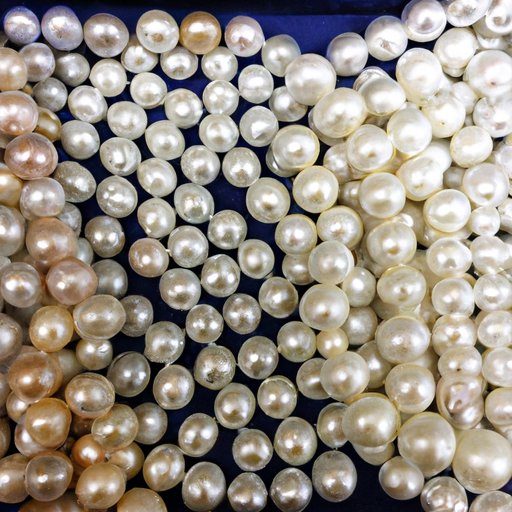
Pearling is the process of cultivating and harvesting pearls from mollusks, typically oysters. Pearls can be found naturally in the wild, but are most often cultivated by pearl farmers. Cultured pearls are grown in a controlled environment, with the assistance of a pearl farmer who carefully monitors the growth of the pearl. The result of this careful cultivation is a beautiful pearl that is highly sought after for its beauty and value.
There are many different types of pearls available on the market today. Freshwater pearls are the most common type of pearl, followed by Akoya, Tahitian, and South Sea pearls. Each type of pearl has its own unique characteristics, and each type of pearl can vary in size, color, and shape.

A Comprehensive Guide to the Cost of Pearling
When it comes to buying pearls, there are several factors that determine the cost. Below is a comprehensive guide to the cost of pearling and what you need to know before purchasing a pearl.
How Much Does it Cost to Buy a Pearl?
The cost of a pearl will depend on a variety of factors, such as size, quality, color, and rarity. Generally speaking, a single pearl can range anywhere from $50 to $10,000 or more. Of course, the cost of pearls can vary widely depending on these factors.
What is the Price Range for Pearls?
The price range for pearls varies greatly depending on the type of pearl, size, and quality. Freshwater pearls tend to be the least expensive, ranging from $50 to $200 per pearl. Akoya pearls are usually more expensive, ranging from $100 to $1,000 per pearl. Tahitian pearls are even more expensive, ranging from $500 to $10,000 or more per pearl. Lastly, South Sea pearls are the most expensive type of pearl, ranging from $1,000 to $20,000 or more per pearl.
The Different Types of Pearls and their Prices
Freshwater pearls are the most affordable type of pearl, and are typically less than 10mm in size. They come in a wide variety of colors, shapes, and sizes. Akoya pearls are generally round, white, and 6-8mm in size. They are usually the most affordable type of saltwater pearl. Tahitian pearls are larger than Akoya pearls, ranging from 8-16mm in size. They come in a variety of colors, including black, grey, and green. Lastly, South Sea pearls are the most expensive type of pearl, ranging from 9-20mm in size. They come in a variety of colors, including golden, silver, and pink.
Factors that Impact the Cost of Pearling
When it comes to pearling, there are several factors that can impact the cost. These include the quality of the pearl, geographic location, size and color, rarity, and labor costs.
Quality of Pearls
The quality of pearls can have a significant impact on their cost. For example, a high-quality pearl is likely to cost more than a lower-quality pearl. In general, the higher the quality of the pearl, the more expensive it will be.
Geographic Location
The geographic location of the pearl can also affect its cost. Pearls grown in certain regions may be more expensive than those grown in other regions. This is due to a number of factors, including the availability of resources and labor costs.
Size & Color
The size and color of the pearl can also affect its cost. Larger pearls tend to be more expensive than smaller ones, while rarer colors are often more expensive than more common hues. For example, a pink South Sea pearl is likely to be more expensive than a white one.
Rarity
The rarity of the pearl can also affect its cost. For example, a rare pink South Sea pearl is likely to be more expensive than a more common white one. In general, the rarer the pearl, the more expensive it will be.
Labor Costs
Finally, labor costs can also play a role in the cost of pearling. The cost of labor can vary significantly from region to region, and this can affect the overall cost of pearling.

An Overview of Pearling Costs Around the World
Below is an overview of pearling costs around the world. Keep in mind that these are only estimates, and actual prices may vary.
Australia
In Australia, pearling costs can range from $50 to $2,000 or more per pearl. The cost of a single pearl depends on the size, quality, and type of pearl.
Japan
In Japan, pearling costs can range from $50 to $5,000 or more per pearl. The cost of a single pearl depends on the size, quality, and type of pearl.
China
In China, pearling costs can range from $50 to $10,000 or more per pearl. The cost of a single pearl depends on the size, quality, and type of pearl.
United States
In the United States, pearling costs can range from $50 to $15,000 or more per pearl. The cost of a single pearl depends on the size, quality, and type of pearl.
Conclusion
Pearling costs can vary greatly depending on a number of factors, such as size, quality, color, and rarity. Generally speaking, freshwater pearls are the least expensive, followed by Akoya, Tahitian, and South Sea pearls. The cost of a single pearl can range anywhere from $50 to $10,000 or more, depending on the type and quality. Labor costs can also play a role in the cost of pearling, and these costs can vary significantly from region to region.
Overall, when it comes to buying pearls, it’s important to do your research and understand the different factors that affect the cost. By taking the time to understand the cost of pearling and the various types of pearls available, you can ensure that you get the best value for your money.
(Note: Is this article not meeting your expectations? Do you have knowledge or insights to share? Unlock new opportunities and expand your reach by joining our authors team. Click Registration to join us and share your expertise with our readers.)