
Introduction
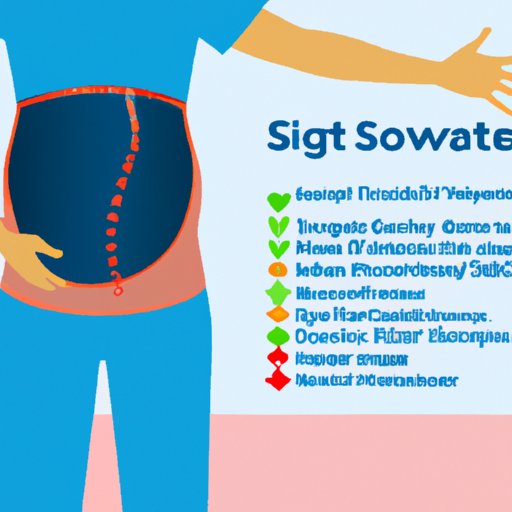
Gastric sleeve surgery is a type of bariatric surgery that involves reducing the size of the stomach. It is also known as sleeve gastrectomy or vertical gastrectomy. The procedure involves removing up to 85 percent of the stomach, leaving a smaller tube-shaped portion of the stomach that looks like a banana. This article will provide an in-depth guide to gastric sleeve surgery, exploring its types, procedure, benefits, risks, stages, recovery process and long-term effects.

An Overview of How a Gastric Sleeve Surgery Works
Gastric sleeve surgery is primarily used as a weight loss procedure for people who are obese or morbidly obese (with a body mass index (BMI) of 40 or higher). It is usually recommended for people who have not been able to lose weight through diet and exercise. It can also be used for people with health conditions such as type 2 diabetes, high blood pressure, sleep apnea, and other obesity-related diseases.
Types of Gastric Sleeve Surgery
There are two types of gastric sleeve surgery: laparoscopic and open. Laparoscopic gastric sleeve surgery is a minimally invasive procedure that is performed using small incisions and specialized instruments. Open gastric sleeve surgery is a more traditional approach that involves making a larger incision in the abdomen.
Pre-Surgery Preparation
Before undergoing gastric sleeve surgery, your doctor will need to evaluate your overall health, including your medical history and current medications. You may also need to undergo tests such as blood work, imaging scans, and an electrocardiogram. Depending on your health, you may need to make lifestyle changes before having the surgery, such as quitting smoking or changing your diet.
Procedure and What to Expect During Surgery
During the procedure, the surgeon will use a laparoscope to make several small incisions in the abdomen. The surgeon then uses special tools to remove part of the stomach, leaving a smaller tube-shaped portion. The remaining stomach is then stapled and sealed shut. The entire procedure takes about one hour.

Explaining the Benefits and Risks of Gastric Sleeve Surgery
Potential Benefits
The primary benefit of gastric sleeve surgery is weight loss. Studies have shown that patients can lose up to 70 percent of their excess body weight within two years after the procedure. Additionally, gastric sleeve surgery has been shown to reduce the risk of obesity-related illnesses, such as type 2 diabetes, heart disease, and stroke.
Potential Risks
Like any surgery, gastric sleeve surgery carries certain risks. Potential complications can include bleeding, infection, and even death. Other risks include nausea, vomiting, and dumping syndrome, which is when food moves too quickly from the stomach to the intestines. Additionally, the surgery can cause vitamin and mineral deficiencies, since it limits the amount of food you can eat.
Examining the Different Stages of Gastric Sleeve Surgery
Pre-Operative Stage
Before the surgery, your doctor will give you instructions on how to prepare for the operation. This includes avoiding certain foods and beverages, stopping certain medications, and fasting for 12 hours prior to the procedure. Your doctor may also suggest taking a multivitamin supplement to help prevent nutritional deficiencies.
Intra-Operative Stage
During the surgery, your doctor will use a laparoscope to make several small incisions in the abdomen. The surgeon then uses special tools to remove part of the stomach, leaving a smaller tube-shaped portion. The remaining stomach is then stapled and sealed shut.
Post-Operative Stage
After the surgery, you will be taken to a recovery room to be monitored for any possible complications. You will likely stay in the hospital for a few days. Once you are discharged, your doctor will provide instructions on how to care for yourself during the recovery period.
Understanding the Process of Post-Surgery Recovery After Gastric Sleeve
Diet Restrictions
Once you are discharged from the hospital, you will need to follow a strict diet plan. This will involve eating smaller meals more frequently throughout the day and avoiding certain foods, such as fatty and sugary foods. You will also need to drink plenty of fluids and take vitamin supplements to help prevent nutritional deficiencies.
Pain Management
You may experience pain and discomfort after the surgery. Your doctor will prescribe medications to help manage the pain. Additionally, you should avoid strenuous activities and heavy lifting for at least four weeks.
Follow Up Appointments
Your doctor will likely schedule follow-up appointments to monitor your progress. These appointments may include physical exams, blood tests, and imaging scans. Additionally, your doctor may suggest attending support groups or counseling sessions to help you adjust to the lifestyle changes associated with the surgery.
Investigating the Long-Term Effects of Gastric Sleeve Surgery
Weight Loss Results
Most patients experience significant weight loss after the surgery. Studies have found that patients can lose up to 70 percent of their excess body weight within two years. However, it is important to note that this weight loss is not permanent and patients must continue to maintain a healthy lifestyle to keep the weight off.
Potential Complications
Although gastric sleeve surgery is generally safe, there are potential risks and complications. These include infection, bleeding, hernias, and bowel obstruction. Additionally, the surgery can cause vitamin and mineral deficiencies due to the limited amount of food consumed.
Nutritional Considerations
It is important to get enough vitamins and minerals after the surgery. Your doctor may suggest taking supplements to ensure you are getting the nutrients you need. Additionally, you will need to eat a balanced diet that includes lean proteins, fruits and vegetables, and whole grains.
Conclusion
Gastric sleeve surgery is a type of bariatric surgery that reduces the size of the stomach. It is typically used to promote weight loss in people with obesity or morbid obesity. The procedure involves making several small incisions in the abdomen and removing part of the stomach. Potential benefits include significant weight loss and reduced risk of obesity-related illnesses. Potential risks include infection, bleeding, and vitamin and mineral deficiencies. The recovery process involves following a strict diet plan, managing pain, and attending follow-up appointments. Over the long-term, gastric sleeve surgery can lead to significant weight loss and improved health, but it is important to maintain a healthy lifestyle to keep the weight off.
(Note: Is this article not meeting your expectations? Do you have knowledge or insights to share? Unlock new opportunities and expand your reach by joining our authors team. Click Registration to join us and share your expertise with our readers.)