
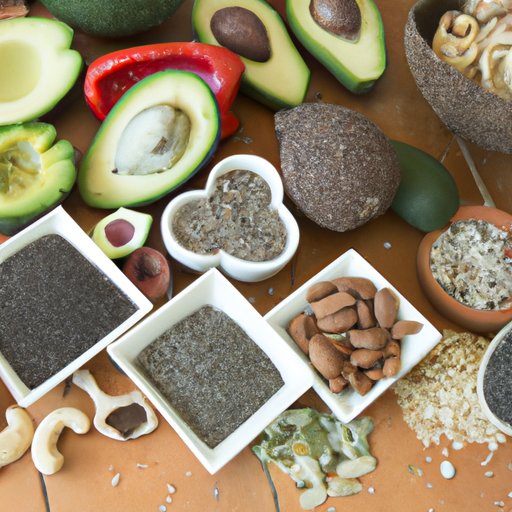
Introduction
Dietary fiber is a type of carbohydrate that cannot be digested by the body. It is found in fruits, vegetables, legumes, nuts, and whole grains. Eating enough fiber can help regulate blood sugar levels, lower cholesterol, and aid in digestion. However, most Americans don’t get enough fiber in their diets. This article will discuss how to increase dietary fiber intake and the benefits of doing so.
Increase Intake of Fruits and Vegetables
Fruits and vegetables are an excellent source of dietary fiber. They also provide essential vitamins and minerals that the body needs for optimal health. The American Heart Association recommends eating at least four servings of fruit and five servings of vegetables each day.
Benefits of Eating More Fruits and Vegetables
Eating more fruits and vegetables can have a number of health benefits. These include a reduced risk of heart disease, stroke, and certain types of cancer. Eating more fruits and vegetables can also help maintain a healthy weight and reduce the risk of obesity.
Ways to Incorporate Fruits and Vegetables Into Diet
There are many ways to add more fruits and vegetables to your diet. Start by adding more fruits and vegetables to your meals. For breakfast, add berries to your cereal or oatmeal. For lunch and dinner, add a salad or cooked vegetables as a side dish. As a snack, reach for fruits and vegetables instead of processed snacks like chips or cookies. You can also try adding smoothies or juices to your diet.
Add Legumes to Meals
Legumes are a great source of dietary fiber and are also rich in protein. Examples of legumes include beans, lentils, chickpeas, and peas.
Types of Legumes
Common types of legumes include black beans, kidney beans, garbanzo beans, navy beans, pinto beans, split peas, lentils, and edamame. These legumes come in a variety of forms such as canned, dried, and frozen.
Benefits of Eating Legumes
Eating legumes can provide a number of health benefits. These include a reduced risk of heart disease, diabetes, and certain types of cancer. Legumes are also a good source of plant-based protein and can help keep you feeling full longer.
How to Incorporate Legumes Into Diet
Legumes can be added to a variety of dishes. Try adding them to soups, salads, and stews. You can also make veggie burgers using black beans or lentils. If you are looking for a quick snack, try making hummus with chickpeas or edamame.
Eat Whole Grains
Whole grains are another excellent source of dietary fiber. They are also high in other important nutrients like B vitamins, iron, magnesium, and zinc. The American Heart Association recommends eating at least three servings of whole grains each day.
Types of Whole Grains
Some examples of whole grains include oats, quinoa, brown rice, wild rice, barley, buckwheat, bulgur, and wheatberries. Whole grains can be found in a variety of foods including bread, pasta, and cereals.
Benefits of Eating Whole Grains
Eating whole grains has a number of health benefits. These include a reduced risk of heart disease, stroke, and certain types of cancer. Whole grains can also help regulate blood sugar levels, reduce cholesterol, and improve digestive health.
How to Incorporate Whole Grains Into Diet
Whole grains can be incorporated into a variety of dishes. Try adding oats to smoothies or yogurt. You can also substitute white rice for brown rice or use quinoa instead of couscous. For breakfast, try having a bowl of oatmeal or a slice of whole grain toast.
Include Nuts and Seeds
Nuts and seeds are an excellent source of dietary fiber. They are also packed with healthy fats, proteins, and vitamins and minerals. The American Heart Association recommends eating at least four servings of nuts and seeds each week.
Types of Nuts and Seeds
Some common types of nuts and seeds include almonds, walnuts, peanuts, cashews, pecans, pistachios, sunflower seeds, pumpkin seeds, and flaxseeds. Nuts and seeds can be eaten raw, roasted, or ground into a paste.
Benefits of Eating Nuts and Seeds
Eating nuts and seeds can provide a number of health benefits. These include a reduced risk of heart disease, stroke, and certain types of cancer. Nuts and seeds can also help regulate blood sugar levels, reduce cholesterol, and improve digestive health.
How to Incorporate Nuts and Seeds Into Diet
Nuts and seeds can be added to a variety of dishes. Try adding them to salads, stir-fries, and casseroles. You can also use nut butter as a spread on toast or add nuts and seeds to smoothies. For a healthy snack, try snacking on a handful of nuts or seeds.

Add Chia Seeds to Food
Chia seeds are a great source of dietary fiber and are also high in omega-3 fatty acids. They can be consumed raw, ground into a powder, or soaked in liquid.
Benefits of Eating Chia Seeds
Chia seeds can provide a number of health benefits. These include a reduced risk of heart disease, diabetes, and certain types of cancer. Chia seeds can also help regulate blood sugar levels, reduce cholesterol, and improve digestive health.
How to Incorporate Chia Seeds Into Diet
Chia seeds can be added to a variety of dishes. Try adding them to smoothies, oatmeal, yogurt, and salads. You can also make chia pudding by soaking chia seeds in milk or adding them to baked goods. Chia seeds can also be used as an egg replacer in vegan recipes.
Eat More Avocados
Avocados are a great source of dietary fiber and are also high in healthy fats and vitamins. The American Heart Association recommends eating at least one serving of avocado per day.
Benefits of Eating Avocados
Eating avocados can provide a number of health benefits. These include a reduced risk of heart disease, stroke, and certain types of cancer. Avocados can also help regulate blood sugar levels and reduce cholesterol.
How to Incorporate Avocados Into Diet
Avocados can be added to a variety of dishes. Try adding them to salads, sandwiches, and wraps. You can also make guacamole or avocado toast. Avocados can also be used as a substitute for butter in baking recipes.
Try Psyllium Husk
Psyllium husk is a type of dietary fiber derived from the seeds of the Plantago ovata plant. It is often sold as a supplement, but can also be found in some foods such as breads, muffins, and cereals.
Benefits of Eating Psyllium Husk
Psyllium husk can provide a number of health benefits. These include a reduced risk of heart disease, stroke, and certain types of cancer. Psyllium husk can also help regulate blood sugar levels and reduce cholesterol.
How to Incorporate Psyllium Husk Into Diet
Psyllium husk can be added to a variety of dishes. Try adding it to smoothies, yogurt, oatmeal, and baked goods. You can also sprinkle it on salads or mix it into soup. Psyllium husk can also be taken as a supplement in capsule or powder form.
Conclusion
Increasing dietary fiber intake is an important part of maintaining a healthy diet. Eating more fruits, vegetables, legumes, whole grains, nuts, seeds, chia, avocados, and psyllium husk can help increase your dietary fiber intake and provide a number of health benefits. By incorporating these foods into your diet, you can ensure that you are getting enough dietary fiber and reaping the associated health benefits.
Summary of Benefits
Eating more dietary fiber can provide a number of health benefits. These include a reduced risk of heart disease, stroke, and certain types of cancer. Dietary fiber can also help regulate blood sugar levels, reduce cholesterol, and improve digestive health.
Final Thoughts on Increasing Dietary Fiber Intake
Increasing your dietary fiber intake can be easy and enjoyable. By adding more fruits, vegetables, legumes, whole grains, nuts, seeds, chia, avocados, and psyllium husk to your diet, you can ensure that you are getting enough dietary fiber and reap the associated health benefits.
(Note: Is this article not meeting your expectations? Do you have knowledge or insights to share? Unlock new opportunities and expand your reach by joining our authors team. Click Registration to join us and share your expertise with our readers.)