
Introduction
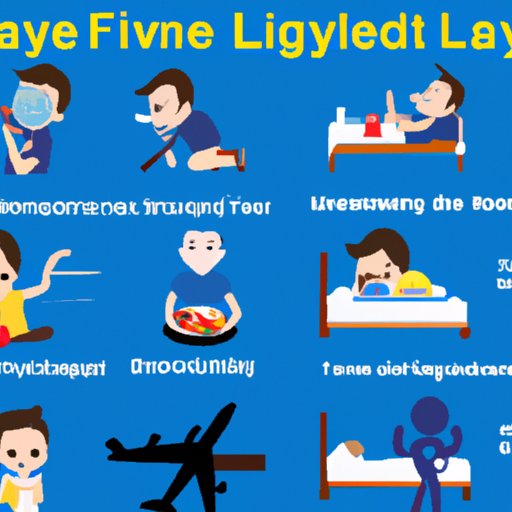
Traveling can be an exciting and enriching experience, but it can also take a toll on your health. Many travelers face the unpleasant reality of getting sick after traveling, often due to a combination of factors such as stress, jet lag, germs, dehydration, sleep deprivation, unfamiliar foods, and lack of exercise. In this article, we will explore the various causes of travel-related illnesses and discuss prevention tips for staying healthy while on vacation.
The Role of Stress in Getting Sick After Traveling
Stress is one of the most common reasons why people get sick after traveling. Stress has a direct effect on the immune system, which makes you more susceptible to illness. When you’re stressed, your body releases hormones like cortisol, which can weaken the immune system and make you more vulnerable to infection. Additionally, stress can lead to unhealthy habits such as skipping meals, not getting enough sleep, and drinking too much alcohol, all of which can further compromise your immune system.
To reduce stress while traveling, it’s important to plan ahead and give yourself plenty of time to get to your destination. Allow yourself time to relax and take breaks throughout the day. Make sure to get enough rest and stay hydrated. Lastly, try to adopt a positive mindset and focus on the fun aspects of your trip. These strategies can help minimize stress levels and keep your immune system strong.
Examining the Effects of Jet Lag on Your Immune System
Jet lag is another common culprit when it comes to getting sick after traveling. Jet lag occurs when your body clock is out of sync with the local time zone. Symptoms of jet lag include fatigue, insomnia, headaches, irritability, and digestive issues. Jet lag can also have a negative impact on your immune system, making you more likely to get sick.
Fortunately, there are ways to manage jet lag. One of the simplest strategies is to adjust your sleep schedule before your trip. Try going to bed and waking up earlier or later, depending on the time difference between your current location and your destination. You should also avoid caffeine and alcohol during long flights and instead opt for hydrating drinks like water or herbal tea. Finally, try to get some light exercise during the day to help regulate your body clock.

How to Avoid Germs and Stay Healthy While Traveling
Germs are another major contributor to travel-related illnesses. When you’re in crowded places like airports and hotels, it’s easy to come into contact with germs that can cause colds, flu, and other illnesses. Fortunately, there are steps you can take to reduce your exposure to germs while traveling.
One of the best ways to protect yourself from germs is to wash your hands frequently. Carry hand sanitizer with you so you can clean your hands whenever needed. It’s also a good idea to avoid touching your face, nose, and eyes. Additionally, steer clear of surfaces that may be contaminated with germs such as door handles, elevator buttons, and public restrooms.
Exploring the Relationship Between Dehydration and Illness After Travel
Dehydration is another common cause of getting sick after traveling. When you’re dehydrated, your body doesn’t have enough fluids to function properly, which can lead to fatigue, headaches, dizziness, and constipation. Dehydration can also weaken your immune system and make you more susceptible to illness.
To stay hydrated while traveling, make sure to drink plenty of water throughout the day. Avoid sugary drinks like sodas and juices, which can actually make you more dehydrated. You should also limit your intake of caffeine and alcohol, as these can act as diuretics and cause your body to lose fluids. Eating fruits and vegetables with high water content can also help keep you hydrated.

Investigating the Impact of Sleep Deprivation on Your Health
Sleep deprivation is another factor that can contribute to getting sick after traveling. Sleep plays an important role in keeping your immune system functioning optimally, so when you don’t get enough sleep, your body is more vulnerable to illness. Sleep deprivation can also lead to headaches, irritability, and difficulty concentrating.
To maximize your sleep when traveling, try to stick to a regular sleep schedule. If possible, bring a comfortable pillow and blanket with you on your trip. Avoid caffeine and alcohol in the evening, as these can interfere with your sleep. If you’re having trouble sleeping in unfamiliar surroundings, try using ear plugs or eye masks to block out noise and light.

The Link Between Unfamiliar Foods and Getting Sick After Traveling
Eating unfamiliar foods can also increase your risk of getting sick after traveling. Foreign cuisine often contains ingredients and spices that your body isn’t used to, which can cause digestive issues. Additionally, food in other countries may not be prepared or stored properly, which can lead to food poisoning.
When trying new foods while traveling, it’s important to be mindful of potential risks. Be sure to inspect food carefully before eating it, and avoid raw or undercooked foods. Additionally, incorporating probiotics into your diet can help strengthen your immune system and protect against foodborne illnesses.

Understanding the Connection Between Lack of Exercise and Illness After Vacation
Finally, failing to stay physically active while on vacation can also increase your risk of getting sick. Exercise helps boost your immune system by increasing blood flow and oxygen to your cells. Additionally, physical activity can help reduce stress levels and promote better sleep, both of which can help keep your immune system strong.
To stay active while traveling, try taking advantage of the activities available at your destination. Take walks around the city or go for a swim in the ocean. If you’re staying at a hotel, see if there’s a gym or pool available. Even simple exercises like stretching or yoga can help keep your body moving and your immune system functioning properly.
Conclusion
In conclusion, getting sick after traveling is a common occurrence that can be caused by a variety of factors such as stress, jet lag, germs, dehydration, sleep deprivation, unfamiliar foods, and lack of exercise. To stay healthy while traveling, it’s important to prioritize self-care and practice healthy habits such as washing your hands, drinking plenty of water, getting enough sleep, and staying physically active. By following these tips, you can help reduce your risk of getting sick and enjoy your trip to the fullest.
(Note: Is this article not meeting your expectations? Do you have knowledge or insights to share? Unlock new opportunities and expand your reach by joining our authors team. Click Registration to join us and share your expertise with our readers.)