
Introduction
Sales forecasting is the process of predicting future sales of a product or service. It is an important part of any startup business’s planning process, as it helps to inform decisions about production, marketing, and budgeting. In this article, we’ll explore how to create an accurate sales forecast for startup businesses.
Research Your Target Market and Analyze the Industry
The first step in creating an accurate sales forecast is to research your target market and analyze the industry. This will help you to understand what kind of customers you are targeting, what their needs and preferences are, and what changes and trends are taking place in the industry.
When researching your target market, start by identifying who your ideal customer is. Consider factors such as age, gender, location, income level, interests, and lifestyle. Once you have identified your target demographic, you can begin to research their buying habits and preferences. This will give you an idea of what kinds of products or services they are likely to purchase in the future.
In addition to researching your target market, you should also analyze the industry trends. Look at the overall size of the industry, as well as any changes that may be occurring. Are new competitors entering the market? Are there any new regulations or laws that could impact the industry? Understanding these trends will help you to make more accurate predictions about future sales.
Finally, it is important to understand customer needs and preferences. What do your customers want from your product or service? How can you meet their needs better than the competition? Answering these questions will help you to make more informed decisions about your sales forecast.
Utilize Existing Data to Refine Your Forecast
Once you have a good understanding of your target market and the industry, you can begin to collect existing data related to sales forecasting. This data can come from sources such as customer surveys, sales reports, and industry research.
Examining historical trends can also provide valuable insight into future sales. Look at past sales figures and try to identify patterns or trends that may indicate changes in customer demand. This data can help you to build more accurate forecasts.
Using data to build accurate forecasts is a key part of the sales forecasting process. By analyzing existing data and examining historical trends, you can gain a better understanding of your target market and the industry, and determine which products or services are likely to be in demand in the future.
Consider Seasonality and Other Trends
Seasonality is another factor that can affect sales forecasts. Certain products or services may experience increased demand during certain times of the year. For example, Christmas decorations may experience higher sales during the holiday season. Identifying seasonal trends can help you to make more accurate forecasts.
It is also important to consider other trends that may affect sales. Are there any new technologies or innovations that could disrupt the industry? Are there any political or economic changes that could have an impact on customer demand? Taking these trends into account can help you to make more accurate forecasts.

Test Different Scenarios to Identify Risks and Opportunities
Once you have a good understanding of the current state of the market and the trends that may affect future sales, you can begin to create different scenarios for potential outcomes. These scenarios can help you to identify risks and opportunities associated with each potential outcome.
For example, if you anticipate a decrease in customer demand due to a new competitor entering the market, you can create a scenario where you reduce your prices to remain competitive. Testing different scenarios can help you to identify potential risks and opportunities, and make more informed decisions about your sales forecast.
Use Business Intelligence Tools to Automate Forecasting
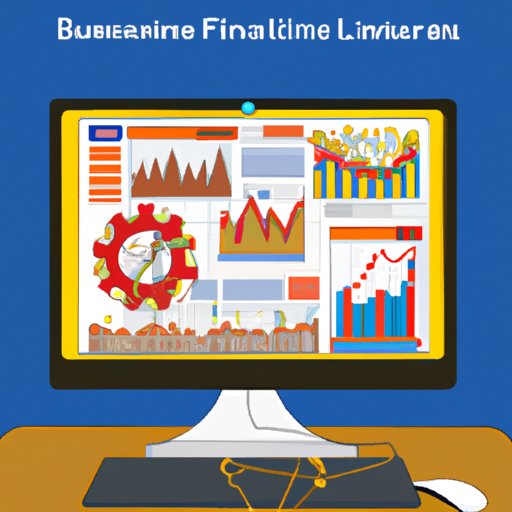
Business intelligence tools can also be used to automate forecasting processes. These tools can help you to quickly analyze large amounts of data and identify trends and patterns that can inform your forecasts. They can also help to automate forecasting processes, allowing you to save time and resources.
By utilizing these business intelligence tools, you can quickly and accurately generate forecasts based on existing data. This can help you to make more informed decisions about production, marketing, and budgeting.

Incorporate Expert Opinion into Your Forecast
Finally, it is important to consult experts in the field when creating a sales forecast. Experienced professionals can provide valuable insight into the current state of the market and potential trends that may affect future sales. Their advice can help you to make more informed decisions about your forecast.
By incorporating expert opinion into your forecast, you can ensure that your predictions are as accurate as possible. This can help you to make more confident decisions about production, marketing, and budgeting.
Conclusion
Creating an accurate sales forecast is essential for the success of any startup business. To create an accurate forecast, it is important to research your target market, analyze industry trends, use existing data to refine forecasts, consider seasonality and other trends, test different scenarios, utilize business intelligence tools, and incorporate expert opinion.
By following these tips, you can ensure that your sales forecast is as accurate as possible. With an accurate forecast, you can make more informed decisions about production, marketing, and budgeting, and put yourself in a better position to succeed.
(Note: Is this article not meeting your expectations? Do you have knowledge or insights to share? Unlock new opportunities and expand your reach by joining our authors team. Click Registration to join us and share your expertise with our readers.)