
Introduction
Physical strength is an important part of overall health and wellbeing. It can help you to perform everyday activities, prevent injuries, and improve your overall quality of life. Unfortunately, many people struggle with developing and maintaining physical strength. Fortunately, there are a few simple steps that you can take to help you become stronger physically.
Exercise Regularly
Regular exercise is essential for building physical strength. Exercise helps to build muscle and increases endurance, which can make daily activities easier. Additionally, regular exercise can help to reduce stress and improve mood.
To get the most out of your workouts, it’s important to make sure that you incorporate both aerobic and strength-training exercises into your routine. Aim for at least 30 minutes of exercise per day, five days a week. If you’re just starting out, it’s best to start slowly and gradually increase your intensity and duration as you become more comfortable.
If you’re having trouble fitting exercise into your daily routine, try breaking up your workout into smaller chunks throughout the day. For example, you could do 10 minutes of walking in the morning, 10 minutes of strength training in the afternoon, and 10 minutes of yoga in the evening. This way, you can still get the benefits of exercise without having to dedicate a large chunk of time to it.
Eat a Balanced Diet
What you eat has a direct impact on your physical strength. Eating a balanced diet will provide your body with the nutrients and energy it needs to stay healthy and build muscle. Try to aim for a diet that includes plenty of fresh fruits and vegetables, lean proteins, whole grains, and healthy fats.
It’s also important to stay hydrated. Make sure to drink plenty of water throughout the day to keep your body functioning properly. Additionally, limiting your intake of processed foods, sugar, and alcohol can help to improve your overall health and physical strength.
Get Enough Sleep
Getting enough sleep is essential for physical strength. During sleep, your body repairs itself and prepares for the next day. When you don’t get enough sleep, your body doesn’t have enough time to recover and you’ll feel tired and sluggish.
Aim for seven to nine hours of sleep each night. If you’re having trouble sleeping, try avoiding caffeine late in the day, establishing a regular bedtime routine, and limiting screen time before bed. Additionally, exercising during the day can help to improve your sleep quality.
Improve Your Posture
Good posture is essential for physical strength. Poor posture can lead to back pain, fatigue, and poor circulation. To improve your posture, focus on keeping your spine straight and your shoulders back. Additionally, try to avoid slouching or hunching over when sitting or standing.
If you find yourself slouching or hunching over, take a few moments to sit up straight and relax your shoulders. You may also want to invest in a chair or desk that promotes good posture. Additionally, using a standing desk can help to reduce fatigue and improve posture.
Participate in Strength Training
Strength training can help to improve your physical strength and fitness level. Incorporating weights and resistance bands into your routine can help to build muscle and increase your strength. Additionally, strength training can help to increase bone density, improve balance, and reduce the risk of injury.
When incorporating strength training into your routine, start slowly. Begin by focusing on one exercise per muscle group and gradually increase the weight as you become stronger. It’s also important to give your muscles time to rest between workouts. Aim for two to three strength-training sessions per week.
Stretch and Flexibility Exercises
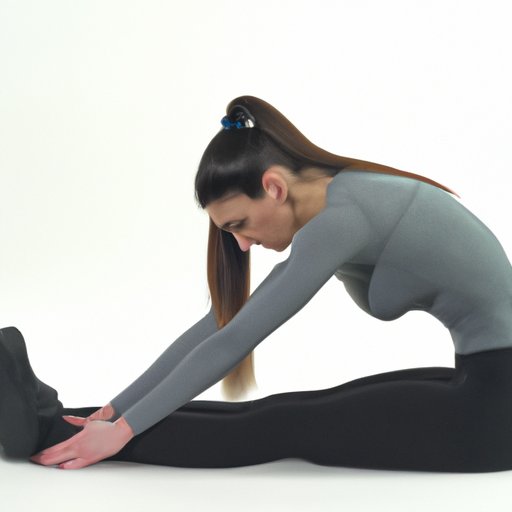
Stretching and flexibility exercises are essential for physical strength. Stretching helps to improve range of motion, reduce stiffness, and prevent injuries. Additionally, flexibility exercises can help to improve posture and balance.
Try to incorporate stretching and flexibility exercises into your routine at least three times a week. Start slowly and focus on stretching the major muscle groups. As you become more flexible, you can increase the intensity of your stretches. Additionally, spending a few moments each day doing basic stretches can help to keep your muscles limber.
Conclusion
Becoming physically strong requires dedication and hard work. However, with the right combination of exercise, diet, sleep, posture, strength training, stretching, and flexibility exercises, you can significantly improve your physical strength and fitness level. Remember that consistency is key; stick to your routine and you will be well on your way to becoming physically strong.
(Note: Is this article not meeting your expectations? Do you have knowledge or insights to share? Unlock new opportunities and expand your reach by joining our authors team. Click Registration to join us and share your expertise with our readers.)