
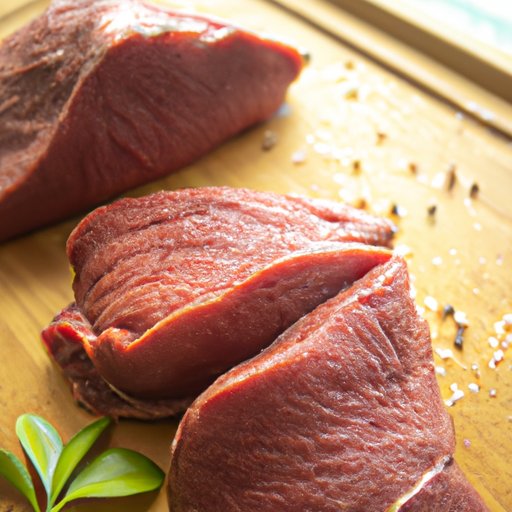
Introduction
Meat is an important part of many diets around the world. It is a source of protein, fats, vitamins, minerals, and other nutrients that are essential for good health. But it’s important to understand the nutritional value of different types of meat and how to make the most of them in your diet.

The Nutritional Value of Meat: What to Look For
When selecting meats for your diet, it’s important to consider the macronutrients, micronutrients, and other nutrients they contain. Here’s a closer look at the nutritional value of different types of meat.
Macronutrients in Meat
Meats are a great source of protein, providing up to 20–30 grams of protein per 4-ounce serving. They also provide varying amounts of fat and carbohydrates, depending on the type of meat. Red meats, such as beef, pork, and lamb, tend to be higher in fat than white meats, such as chicken and turkey. Processed meats, such as bacon, hot dogs, and deli meats, are often high in sodium.
Micronutrients in Meat
Meats are a good source of many micronutrients, including zinc, iron, magnesium, vitamin B12, and selenium. Red meats are particularly rich in iron, which helps transport oxygen throughout the body. Meats are also a good source of choline, a nutrient important for brain development.
Other Nutrients in Meat
Meats are also a source of beneficial compounds such as conjugated linoleic acid (CLA) and omega-3 fatty acids. CLA is found in both grass-fed and grain-fed meats and may have anti-inflammatory and anticancer properties. Omega-3 fatty acids are found in some fish, such as salmon and tuna, and can help reduce inflammation and improve heart health.
A Guide to Selecting Healthy Meats for Your Diet
When selecting meats for your diet, there are several things to keep in mind. Here are some tips for choosing healthy meats.
Choose Leaner Cuts of Meat
Look for leaner cuts of meat, such as skinless chicken breast, flank steak, and pork tenderloin. These cuts are lower in fat and calories and still provide plenty of protein and other nutrients. Trim away any visible fat and remove the skin before cooking.
Look for Certified Organic or Grass-Fed Meats
Organic and grass-fed meats are higher in beneficial nutrients and lower in unhealthy fats than conventional meats. Organic meats are raised without the use of synthetic hormones, antibiotics, or pesticides. Grass-fed meats are raised on a diet of grass and other forage rather than grains. Look for certified organic or grass-fed labels when selecting meats.
Avoid Processed Meats
Processed meats, such as bacon, hot dogs, and deli meats, are high in salt and preservatives, which can increase your risk of certain diseases. If you do choose to eat processed meats, look for varieties that are lower in sodium and nitrates. Try to limit your intake of processed meats to a few times a month.

How to Make the Most of Meat in Your Diet
Including a variety of different types of meat in your diet can help you get all the essential nutrients you need. Here are some tips for making the most of meat in your diet.
Eat a Variety of Different Types of Meats
Eating a variety of different types of meats can help ensure you’re getting all the essential nutrients you need. Include leaner cuts of red meat, poultry, and fish in your diet. You can also incorporate plant-based proteins, such as beans, lentils, and nuts, into your meals.
Balance Your Intake of Protein and Fat
It’s important to balance your intake of protein and fat when eating meat. Choose leaner cuts of meat and trim away any visible fat. Incorporate healthy fats into your diet, such as those found in avocados, nuts, and olive oil.
Try New Cooking Methods
Experiment with new cooking methods to make the most of meats in your diet. Try grilling, roasting, or baking meats instead of frying them. You can also add herbs and spices to give dishes more flavor without adding too much fat or calories.
Is Red Meat Really Unhealthy?
There has been some debate over the health effects of red meat consumption. Let’s take a closer look at the evidence.
Studies on Red Meat Consumption
Several studies have linked red meat consumption to an increased risk of certain diseases, such as heart disease and certain types of cancer. However, these results may be due to other factors, such as lifestyle choices and dietary habits. More research is needed to understand the potential risks and benefits of eating red meat.
Health Concerns of Eating Red Meat
Red meats are generally higher in saturated fats and cholesterol than other types of meats, which can raise your risk of heart disease. Processed meats, such as bacon, hot dogs, and deli meats, are also high in sodium, nitrates, and other additives, which can increase your risk of certain diseases.
Plant-Based Meats: Alternatives to Conventional Meat
Plant-based meats offer a delicious and nutritious alternative to traditional meats. Here’s a closer look at these new products.
Overview of Plant-Based Meats
Plant-based meats are made from plants, such as soy, wheat, peas, and mushrooms. They are designed to mimic the taste and texture of traditional meats and come in a variety of forms, such as burgers, sausages, and ground “meat.”
Health Benefits of Plant-Based Meats
Plant-based meats are typically lower in calories, fat, and saturated fat than traditional meats. They are also free of cholesterol and are a good source of fiber, vitamins, and minerals. Plus, they are usually made without artificial additives, preservatives, or added sugar.
Tips for Incorporating Plant-Based Meats into Your Diet
If you’re looking to reduce your meat intake, try incorporating plant-based meats into your diet. Start by trying one or two plant-based meals a week and gradually increase your intake. Look for recipes that feature plant-based meats as the main ingredient, such as veggie burgers, plant-based tacos, and “meat” sauce.
Conclusion
Including a variety of different types of meat in your diet can help you get the essential nutrients you need for good health. When selecting meats for your diet, opt for leaner cuts, look for certified organic or grass-fed meats, and avoid processed meats. Plant-based meats offer a delicious and nutritious alternative to traditional meats. With a bit of planning, you can easily incorporate healthy meats into your diet.
(Note: Is this article not meeting your expectations? Do you have knowledge or insights to share? Unlock new opportunities and expand your reach by joining our authors team. Click Registration to join us and share your expertise with our readers.)