
Introduction
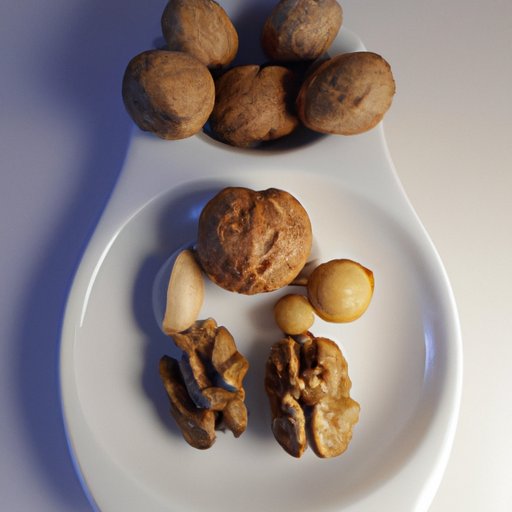
Nuts are a delicious snack that can provide a variety of health benefits. From almonds to macadamia nuts, there are many different types of nuts available to choose from. But which are the best nuts to eat? In this article, we’ll explore the different types of nuts, their nutritional benefits, and how to choose the best nuts for your diet.

Nutritional Comparison: Analyzing the Health Benefits of Different Nuts
When it comes to choosing the best nuts to eat, it’s important to consider their nutritional benefits. Here is a comparison of some of the most popular types of nuts and their health benefits:
Almonds
Almonds are a popular nut due to their high vitamin E content. They are rich in fiber, protein, and healthy fats. Almonds are also a good source of magnesium and have been linked to reducing cholesterol levels.
Walnuts
Walnuts are an excellent source of omega-3 fatty acids, which are essential for good health. Eating walnuts may reduce inflammation and improve heart health. Walnuts are also a good source of antioxidants and may help reduce the risk of cancer.
Pecans
Pecans are packed with vitamins and minerals, including zinc, potassium, and iron. They are also a good source of healthy fats and have been shown to improve cholesterol levels. Pecans may also help reduce the risk of diabetes and heart disease.
Cashews
Cashews have a high magnesium content, which is important for bone health. They are also a good source of protein and healthy fats. Eating cashews may help reduce the risk of cancer, lower cholesterol levels, and improve overall health.
Pistachios
Pistachios are high in fiber and protein, as well as vitamins and minerals. They are also low in calories and contain healthy fats. Eating pistachios may reduce inflammation, improve heart health, and boost the immune system.
Brazil Nuts
Brazil nuts are packed with selenium, which is important for thyroid health. They are also a good source of healthy fats and may help reduce the risk of certain cancers. Eating Brazil nuts has also been linked to improving cognitive function.
Macadamia Nuts
Macadamia nuts are high in monounsaturated fats and may help reduce cholesterol levels. They are also a good source of fiber and protein. Eating macadamia nuts may reduce the risk of heart disease and improve overall health.
The Ultimate Guide to Choosing the Best Nuts for Your Diet
Choosing the best nuts for your diet depends on your individual needs. Here are a few tips to help you make the right choice:
Consider Your Dietary Needs
If you are following a specific diet, such as vegan or paleo, you may want to select nuts that fit within those guidelines. For example, if you are vegan, you will want to choose nuts that are not processed with animal products. If you are looking for a low-carb option, you may want to choose unsalted, raw nuts.
Choose the Right Variety for Your Taste
Different types of nuts have different flavors, textures, and nutritional profiles. Consider your personal preferences when selecting the best nuts for your diet. You may want to try different varieties to find the ones that you enjoy the most.
Exploring the Different Varieties of Nuts and Their Health Benefits
Now that you know how to choose the best nuts for your diet, let’s take a closer look at some of the most popular types of nuts and their health benefits:
Almonds
Almonds are a great source of vitamin E, fiber, protein, and healthy fats. They may help reduce cholesterol levels and improve heart health. Almonds are also a good source of magnesium and may help reduce the risk of certain cancers.
Walnuts
Walnuts are high in omega-3 fatty acids, which are essential for good health. Eating walnuts may reduce inflammation and improve heart health. They are also a good source of antioxidants and may help reduce the risk of certain cancers.
Pecans
Pecans are packed with vitamins and minerals, including zinc, potassium, and iron. They are also a good source of healthy fats and may help reduce cholesterol levels. Pecans may also help reduce the risk of diabetes and heart disease.
Cashews
Cashews are high in magnesium, which is important for bone health. They are also a good source of protein and healthy fats. Eating cashews may help reduce the risk of cancer, lower cholesterol levels, and improve overall health.
Pistachios
Pistachios are high in fiber and protein, as well as vitamins and minerals. They are also low in calories and contain healthy fats. Eating pistachios may reduce inflammation, improve heart health, and boost the immune system.
Brazil Nuts
Brazil nuts are packed with selenium, which is important for thyroid health. They are also a good source of healthy fats and may help reduce the risk of certain cancers. Eating Brazil nuts has also been linked to improving cognitive function.
Macadamia Nuts
Macadamia nuts are high in monounsaturated fats and may help reduce cholesterol levels. They are also a good source of fiber and protein. Eating macadamia nuts may reduce the risk of heart disease and improve overall health.

A Comprehensive List of the Healthiest Nuts to Eat
While all types of nuts offer some health benefits, some are healthier than others. Here is a comprehensive list of the healthiest nuts to eat:
Almonds
Walnuts
Pecans
Cashews
Pistachios
Brazil Nuts
Macadamia Nuts

The Pros and Cons of Eating Different Types of Nuts
As with any food, there are both advantages and disadvantages to eating nuts. Here are some of the pros and cons of eating different types of nuts:
Advantages
Nuts are a nutritious snack that can provide a variety of health benefits. They are packed with vitamins, minerals, and healthy fats. Eating nuts may reduce cholesterol levels, improve heart health, and reduce the risk of certain diseases.
Disadvantages
Nuts are high in calories and fat, so they should be eaten in moderation. Some types of nuts, such as cashews and macadamia nuts, are also high in sodium, so you should limit your intake of these types of nuts. Additionally, some people may be allergic to certain types of nuts, so it is important to check with your doctor before eating them.
Comparing the Tastes, Textures, and Nutritional Values of Popular Nuts
Different types of nuts have different tastes, textures, and nutritional values. Here is a comparison of some of the most popular types of nuts and their nutritional benefits:
Almonds
Almonds are crunchy and slightly sweet. They are a great source of vitamin E, fiber, protein, and healthy fats. Almonds are also a good source of magnesium and may help reduce the risk of certain cancers.
Walnuts
Walnuts are crunchy and have a slight bitterness. They are high in omega-3 fatty acids, which are essential for good health. Eating walnuts may reduce inflammation and improve heart health.
Pecans
Pecans are crunchy and have a buttery flavor. They are packed with vitamins and minerals, including zinc, potassium, and iron. Pecans are also a good source of healthy fats and have been shown to improve cholesterol levels.
Cashews
Cashews are creamy and slightly sweet. They are high in magnesium, which is important for bone health. Cashews are also a good source of protein and healthy fats. Eating cashews may help reduce the risk of cancer, lower cholesterol levels, and improve overall health.
Pistachios
Pistachios are crunchy and have a slightly sweet taste. They are high in fiber and protein, as well as vitamins and minerals. Pistachios are also low in calories and contain healthy fats. Eating pistachios may reduce inflammation, improve heart health, and boost the immune system.
Brazil Nuts
Brazil nuts are crunchy and have a slightly sweet flavor. They are packed with selenium, which is important for thyroid health. Eating Brazil nuts has also been linked to improving cognitive function.
Macadamia Nuts
Macadamia nuts are creamy and have a mild flavor. They are high in monounsaturated fats and may help reduce cholesterol levels. Macadamia nuts are also a good source of fiber and protein. Eating macadamia nuts may reduce the risk of heart disease and improve overall health.
Conclusion
Nuts are a nutritious and delicious snack that can provide a variety of health benefits. There are many different types of nuts to choose from, each with their own unique nutritional profile. When choosing the best nuts for your diet, consider your dietary needs and personal preferences. With the information provided in this article, you’ll be able to make informed decisions about which type of nut is best for you.
(Note: Is this article not meeting your expectations? Do you have knowledge or insights to share? Unlock new opportunities and expand your reach by joining our authors team. Click Registration to join us and share your expertise with our readers.)