
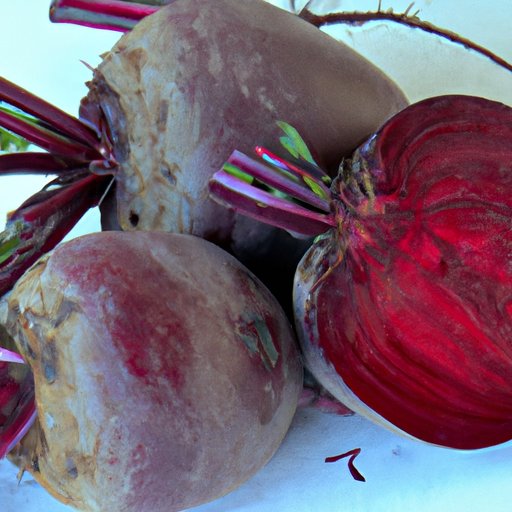
Are Red Beets Good for You?
Red beets are an ancient root vegetable that have been cultivated for centuries. Though they may not look like much on the outside, red beets are a nutritional powerhouse packed with essential vitamins and minerals. In recent years, research has shown that red beets can provide a wide range of health benefits, from improved cardiovascular health to anti-inflammatory properties. So if you’re looking to add some nutritious foods into your diet, red beets should definitely be on your list.
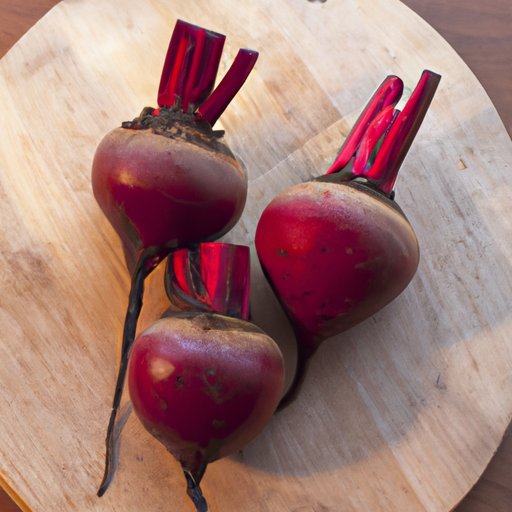
Exploring the Health Benefits of Eating Red Beets
Red beets are a good source of several important nutrients, including folate, potassium, manganese, copper, iron, magnesium, vitamin C, and vitamin B6. They also contain dietary fiber, which helps keep your digestive system healthy and functioning properly. Additionally, red beets are high in nitrates, which can help reduce blood pressure and improve exercise performance.
In addition to providing essential vitamins and minerals, red beets also offer a variety of other health benefits. Here’s a closer look at how red beets can help improve your health:
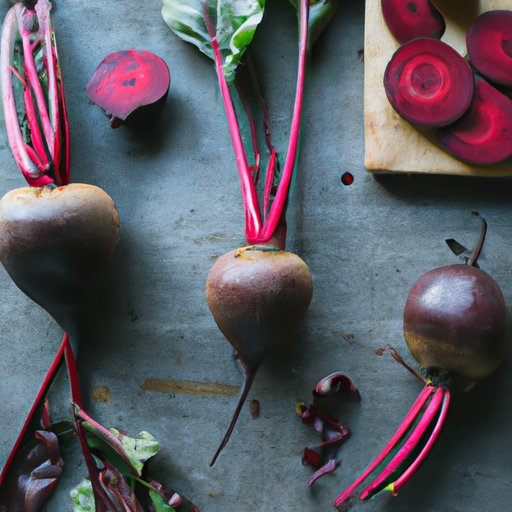
The Power of Red Beets: What You Need to Know
Red beets are rich in antioxidants, which can help protect your cells from damage caused by free radicals. These compounds can also help reduce inflammation, which can lead to a number of health issues. Red beets are also a good source of several essential vitamins and minerals, including folate, potassium, manganese, copper, iron, magnesium, vitamin C, and vitamin B6.
Red beets can also help promote cardiovascular health. Their high levels of nitrates can help reduce blood pressure and improve circulation. Additionally, their dietary fiber content can help lower cholesterol levels and reduce the risk of heart disease.
Finally, red beets have anti-inflammatory properties that can help reduce inflammation throughout the body. This can have a positive effect on overall health, as inflammation is linked to many chronic conditions.
Delicious Ways to Incorporate Red Beets into Your Diet
If you’re looking for delicious ways to incorporate red beets into your diet, there are plenty of options. Here are some ideas for adding more red beets to your meals:
- Salads – Try adding cooked or raw red beets to your favorite salads for a burst of color and flavor.
- Soups – Add cooked red beets to your favorite soups for extra nutrition and flavor.
- Smoothies – Blend cooked red beets into smoothies for a nutritious and flavorful treat.
- Roasted beets – Roast red beets in the oven for a delicious side dish.
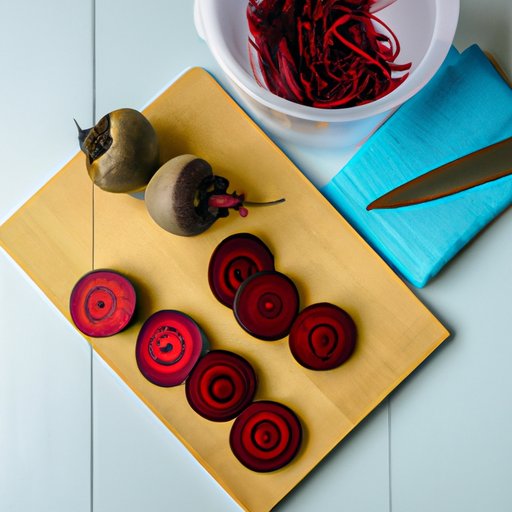
Cooking Tips for Preparing Red Beets
When cooking with red beets, it’s important to select fresh, firm beets. Avoid beets that are soft or have spots. When prepping red beets, make sure to wear gloves to avoid staining your hands. To cook red beets, you can boil, roast, or steam them. Once cooked, you can serve them as a side dish or use them in salads, soups, and smoothies.
Conclusion
Red beets are an incredibly nutritious root vegetable that can provide a variety of health benefits. They are rich in antioxidants, vitamins, minerals, and dietary fiber, which can help improve cardiovascular health, reduce inflammation, and promote overall wellness. Plus, they can be easily incorporated into your diet in a variety of delicious ways. If you’re looking for a nutritious food to add to your diet, red beets are a great option.
(Note: Is this article not meeting your expectations? Do you have knowledge or insights to share? Unlock new opportunities and expand your reach by joining our authors team. Click Registration to join us and share your expertise with our readers.)