

Introduction
Artificial intelligence (AI) is a rapidly growing technology that has the potential to revolutionize multiple industries. From self-driving cars to robots performing surgery, AI is being used in an ever-increasing range of applications. In this article, we will explore the various applications of AI and the potential impact it could have on business, society, healthcare, and education.
Exploring the Role of AI in Business and Industry
What is AI? AI is a form of computer technology that enables machines to mimic human behaviors such as problem solving, decision-making, and learning. This type of technology is already being used in many different industries, from manufacturing to finance. AI can help businesses make better decisions, improve customer service, and automate tedious tasks.
How AI can help businesses? AI can provide businesses with valuable insights into their customers and markets. By collecting and analyzing data, AI can help companies make more informed decisions about pricing, product development, marketing strategies, and other areas. AI can also be used to automate complex processes, such as supply chain management, inventory control, and logistics. This can help businesses reduce costs, increase efficiency, and improve customer service.
Examples of AI in business? One example of AI in business is the use of chatbots. Chatbots are computer programs that use natural language processing to simulate conversations with customers. They can be used to answer customer questions, provide product recommendations, and process orders. Another example of AI in business is the use of machine learning algorithms to detect fraud. These algorithms can analyze large amounts of data to identify suspicious activity, helping businesses protect themselves from financial losses.

Examining the Impact of AI on Society
Pros and cons of AI? As with any technology, there are both advantages and disadvantages to AI. On one hand, AI can help automate mundane tasks and free up time for people to focus on creative endeavors. On the other hand, AI has the potential to replace human labor, leading to job losses and increased inequality. In addition, AI algorithms can contain biases that can lead to unfair outcomes, such as in the criminal justice system.
Ethical issues surrounding AI? As AI continues to become more advanced, ethical considerations must be taken into account. For example, who should be responsible if an AI system makes a mistake or causes harm? Additionally, AI algorithms can be used to collect and analyze personal data, raising concerns about privacy and security. Finally, AI systems can be used to amplify existing social biases, leading to discrimination against certain groups of people.
Potential impact on employment? As AI becomes more prevalent, it is likely to have an impact on the job market. While some jobs may be automated, others may be created to support the development and maintenance of AI systems. Additionally, AI may lead to a shift in the skills required for certain jobs, as employers look for workers who can work collaboratively with machines.
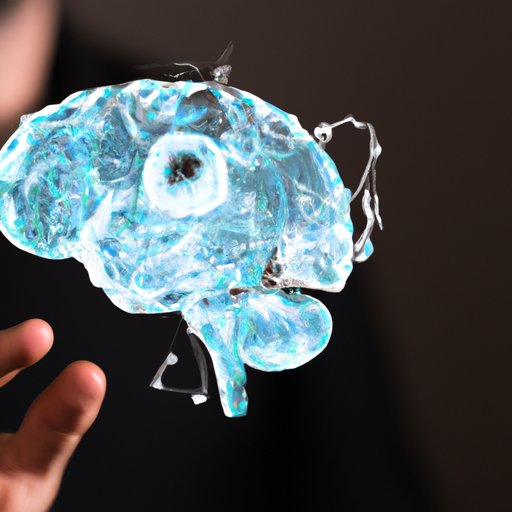
Investigating the Use of AI in Healthcare
What is medical AI? Medical AI is the use of AI technology to diagnose and treat medical conditions. It can be used to analyze patient data and recommend treatments, as well as monitor patients’ vital signs and detect changes in health status.
Benefits of AI in healthcare? AI can help reduce errors in diagnosis and treatment, as well as improve patient safety. It can also help reduce the cost of healthcare by automating mundane tasks and streamlining processes. Additionally, AI can help doctors make more accurate diagnoses and provide personalized treatments for each patient.
Challenges of AI in healthcare? AI systems are only as good as the data they are given, so it is important to ensure that the data is accurate and relevant. Additionally, AI systems may not be able to take into account all the factors that go into a diagnosis or treatment, so doctors should always review the recommendations made by AI systems before making a decision.
Analyzing the Potential Benefits of AI in Education
What is educational AI? Educational AI is the use of AI technology to enhance the learning experience. This can include using AI to create personalized learning experiences, as well as assist in grading tests and assignments.
Advantages of AI in education? AI can help students learn more effectively by providing personalized feedback and recommendations. It can also be used to automate mundane tasks, such as grading tests and assignments, freeing up teachers’ time to focus on teaching. Additionally, AI can be used to monitor student progress and provide real-time feedback to teachers.
Disadvantages of AI in education? AI systems can be expensive to implement, and may require additional training for teachers and staff. Additionally, AI algorithms can contain biases, which can lead to unfair outcomes for some students. Finally, AI systems may not be able to take into account all the factors that go into a student’s learning, so teachers should always be involved in the decision-making process.

Assessing the Future of Artificial Intelligence
Advances in AI technology? AI technology is constantly evolving, and researchers are making advances in areas such as natural language processing, computer vision, and machine learning. As AI technology becomes more advanced, it will be able to handle more complex tasks and provide more accurate results.
Predictions for the future of AI? Predictions vary, but most experts agree that AI will continue to become more widespread and play an even larger role in our lives. AI is likely to become more integrated into everyday tasks, such as driving, shopping, and even healthcare. Additionally, AI is expected to become more intelligent and capable of making more accurate decisions.
Preparing for a future with AI? To prepare for a future with AI, it is important to understand the implications of this technology and the potential risks it poses. Companies should develop policies and procedures to ensure that AI algorithms are fair and do not discriminate against certain groups. Additionally, individuals should stay informed about the latest developments in AI technology and consider taking courses in AI to stay ahead of the curve.
Conclusion
In conclusion, AI is a rapidly growing technology that has the potential to revolutionize multiple industries. From business to healthcare to education, AI is being used in an ever-increasing range of applications. While there are both advantages and disadvantages to AI, it is clear that this technology will continue to play an important role in our lives. It is important to stay informed about the latest developments in AI technology and to consider the potential implications of this technology on our society.
(Note: Is this article not meeting your expectations? Do you have knowledge or insights to share? Unlock new opportunities and expand your reach by joining our authors team. Click Registration to join us and share your expertise with our readers.)