
Introduction
Chia seeds have been a popular superfood in recent years because of their high nutrient content and health benefits. But what exactly are chia seeds, and how can they be incorporated into our diets? This article will explore the nutritional and health benefits of chia seeds, as well as potential side effects and the environmental impact of growing them. Popular recipes featuring chia will also be discussed.
Explaining the Nutritional Benefits of Chia Seeds
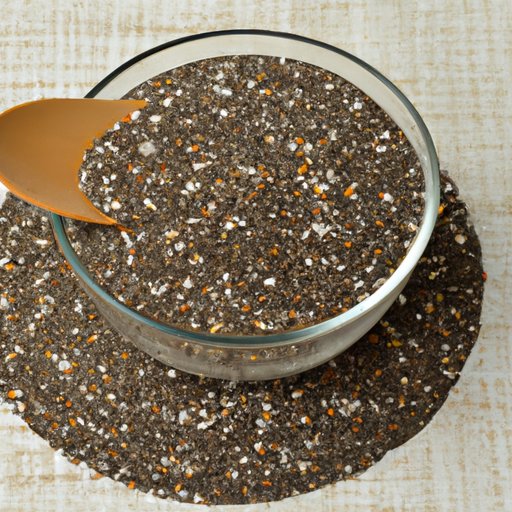
Chia seeds are small, black seeds that are derived from a flowering plant native to Mexico and Guatemala. They are packed with nutrients such as fiber, protein, and omega-3 fatty acids. Chia seeds are also rich in vitamins and minerals such as calcium, magnesium, phosphorus, zinc, potassium, and iron. In addition, chia seeds are gluten-free and low in calories.

Highlighting the Health Benefits of Eating Chia Seeds
The high nutrient content of chia seeds makes them a great addition to any diet. Studies have shown that consuming chia seeds can help improve heart health by lowering cholesterol and triglyceride levels. In addition, consuming chia seeds may help reduce the risk of type 2 diabetes by improving insulin sensitivity. Chia seeds are also known to be beneficial for digestive health, as they can help increase stool bulk and decrease constipation.
Examining the Role of Chia Seeds in Weight Loss
Chia seeds are often used as a weight loss aid due to their high satiety value. This means that they fill you up quickly and can help prevent overeating. In addition, chia seeds are low in calories, making them an ideal snack for those who are trying to lose weight. However, it is important to note that chia seeds should not be used as a replacement for a healthy, balanced diet.

Reviewing Popular Recipes Featuring Chia Seeds
Chia seeds can be added to a variety of recipes to increase the nutrient content. Popular recipes featuring chia include breakfast bowls, smoothies, and baked goods. For example, adding chia seeds to oatmeal or yogurt can provide an extra boost of fiber and protein. Chia pudding is also a delicious way to incorporate chia seeds into your diet. Finally, chia jam is a tasty way to enjoy chia without having to cook.

Discussing the Potential Side Effects of Consuming Chia Seeds
Although chia seeds are generally safe to consume, there are some potential side effects to consider. People who are allergic to sesame seeds may also be allergic to chia seeds. In addition, chia seeds can interfere with certain medications, such as blood thinners, so it is important to speak with your doctor before incorporating them into your diet.
Investigating the Environmental Impact of Growing Chia
Growing chia has a positive environmental impact. Chia plants require very little water to grow, which helps conserve resources. In addition, chia production has a low carbon footprint compared to other crops. As a result, chia production is becoming increasingly popular in many parts of the world.
Conclusion
In conclusion, chia seeds are a nutritious superfood with numerous health benefits. They are high in fiber, protein, and omega-3 fatty acids, as well as vitamins and minerals. Eating chia seeds can help improve heart health, reduce the risk of diabetes, and aid in weight loss. Popular recipes featuring chia include breakfast bowls, smoothies, and baked goods. However, it is important to note that there are potential side effects to consider when consuming chia seeds. Finally, chia production has a positive environmental impact due to its sustainable water usage and low carbon footprint.
(Note: Is this article not meeting your expectations? Do you have knowledge or insights to share? Unlock new opportunities and expand your reach by joining our authors team. Click Registration to join us and share your expertise with our readers.)