
Introduction
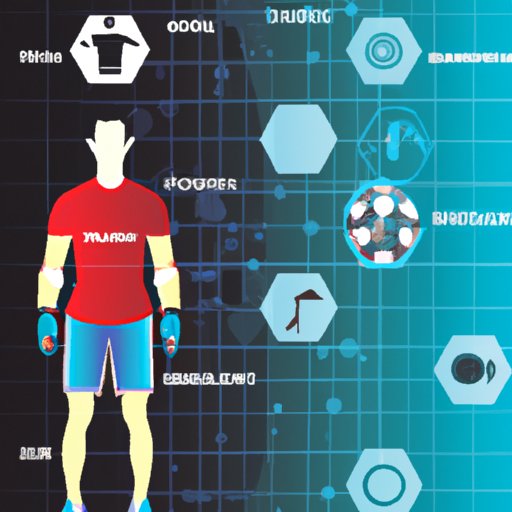
Technology has had an undeniable impact on professional sports over the last few decades. From wearable technology to video replay to data analytics, technology has revolutionized the way sports are played, trained for, and watched. In this article, we’ll explore how technology has changed sports, looking at the role of wearable technology, video replay, robotics, data analytics, and virtual reality in professional sports.
How Wearable Technology is Changing the Game
Wearable technology is having a major impact on professional sports. This type of technology allows athletes to track their performance and make adjustments as needed. It also provides coaches and trainers with valuable information about an athlete’s health and fitness levels. According to a study by the American College of Sports Medicine, “the use of wearable technology is becoming increasingly popular in the world of sport science and performance analysis.”
The benefits of using wearable technology in professional sports are numerous. For athletes, it can help them monitor their performance and make necessary changes to improve their game. For teams, it can provide valuable insights into an athlete’s health and fitness levels. In addition, teams can use the data collected from wearable technology to create personalized training plans and strategies for each athlete.
Examples of wearable technology in use in professional sports include GPS tracking devices, heart rate monitors, and accelerometers. These devices allow coaches and trainers to track an athlete’s speed, distance, and endurance levels. They also provide useful insights into an athlete’s recovery time and fatigue levels. By monitoring these metrics, coaches and trainers can better tailor training plans and strategies for each athlete.

Examining the Role of Video Replay in Sports
Video replay is another technology that has had a major impact on professional sports. This technology allows referees and umpires to review footage of a play to determine if a call was made correctly. According to a study by the International Journal of Computer Science in Sport, “video replay technology has been used to increase the accuracy and fairness of decisions made during competitive sporting events.”
The benefits of utilizing video replay in professional sports are clear. It helps ensure that the right calls are being made and that games are being played fairly. It also helps reduce the number of incorrect calls and potential disputes between teams and officials. Finally, it can give coaches and players a better understanding of the rules and regulations of the game.
However, there are some challenges associated with implementing video replay in professional sports. For one, it can be costly to install and maintain the necessary equipment. Additionally, it requires officials to spend additional time reviewing footage and can slow down the pace of the game. Finally, there is always the risk of human error when interpreting the footage.
The Use of Robotics in Training and Performance Enhancement
Robotics technology is also playing a major role in professional sports. This type of technology is being used to train athletes and improve their performance. According to a study by the International Journal of Robotics Research, “robotic technologies are being used to improve the performance of athletes by providing accurate feedback, precise guidance, and tailored training sessions.”
Examples of robotics in use in professional sports include robotic arms that can provide precise guidance for athletes during training sessions and robotic exoskeletons that can help improve an athlete’s range of motion and strength. In addition, robots can be used to simulate game situations and provide feedback to athletes on their performance.
The pros and cons of utilizing robotics in professional sports must be carefully considered. On the one hand, robotics can provide precise feedback and tailored training sessions, which can help improve an athlete’s performance. On the other hand, robotics can be expensive to purchase and maintain, and there is always the risk of human error when interpreting the data.

Investigating Data Analytics in Sports
Data analytics is another area where technology is changing the game. Teams are now using data analytics to gain insights into their opponents and make strategic decisions. According to a study by the MIT Sloan Management Review, “data-driven decision making has become an integral part of the sports industry, allowing teams to gain insights into their opponents and make informed decisions.”
What data is being collected? Teams are collecting a wide variety of data, including player performance metrics, team performance metrics, and game data. This data can then be analyzed to identify trends and make predictions about future performance. Additionally, teams can use this data to develop strategies for improving their own performance.
The benefits of using data analytics in professional sports are numerous. It can help teams identify weaknesses in their opponent’s game plan and develop strategies to exploit those weaknesses. It can also provide valuable insights into an athlete’s performance and help teams make informed decisions about personnel and strategy. Finally, it can help teams track their own performance and make necessary adjustments.

Analyzing the Benefits of Virtual Reality for Athletes
Virtual reality is another technology that is changing the way professional sports are played. This technology allows athletes to experience the game in a simulated environment, giving them the opportunity to practice and hone their skills without having to go on the field. According to a study by the International Journal of Computer Science in Sport, “virtual reality can be used to improve the physical and mental performance of athletes.”
Types of virtual reality technologies in use in professional sports include 3D simulations, augmented reality, and 360-degree cameras. These technologies allow athletes to visualize the game in a realistic environment and practice the skills they need to succeed. In addition, virtual reality can be used to analyze an athlete’s performance and provide feedback on areas that need improvement.
The advantages of virtual reality for athletes are clear. It gives them the opportunity to practice and hone their skills without having to go on the field. Additionally, it can help athletes visualize the game in a realistic environment and develop strategies to succeed. Finally, it can help athletes analyze their performance and make necessary adjustments.
Conclusion
In conclusion, technology has had a major impact on professional sports over the last few decades. Wearable technology, video replay, robotics, data analytics, and virtual reality have all changed the way sports are played, trained for, and watched. While there are still challenges associated with implementing these technologies, the benefits far outweigh the drawbacks. As technology continues to evolve, so too will the way professional sports are played.
Summary of Key Points
• Technology has had an undeniable impact on professional sports over the last few decades.
• Wearable technology, video replay, robotics, data analytics, and virtual reality have all changed the way sports are played, trained for, and watched.
• The benefits of using these technologies in professional sports far outweigh the drawbacks.
Final Thoughts
Technology has revolutionized the way professional sports are played, trained for, and watched. From wearable technology to video replay to data analytics, technology has had an undeniable impact on the sports industry. As technology continues to evolve, so too will the way professional sports are played.
(Note: Is this article not meeting your expectations? Do you have knowledge or insights to share? Unlock new opportunities and expand your reach by joining our authors team. Click Registration to join us and share your expertise with our readers.)