
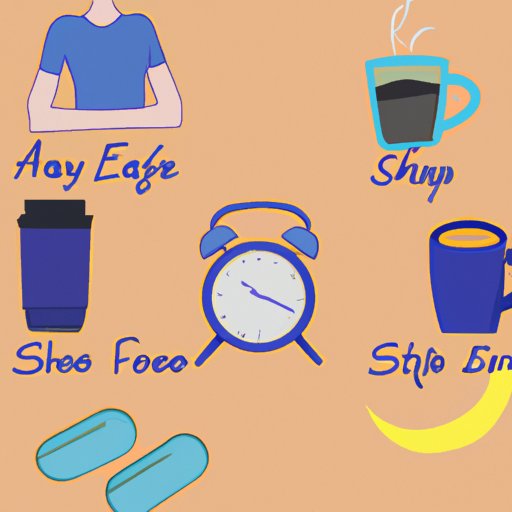
Introduction
Feeling sluggish and drowsy at work or school is a common problem. Staying awake means more than just not falling asleep; it’s about having the energy and alertness to be productive and focused. To stay awake, it’s important to understand the factors that can lead to sleepiness and then take steps to combat them.
Get Plenty of Sleep
Sleep is one of the best ways to stay awake during the day. According to the National Sleep Foundation, adults need between 7-9 hours of sleep per night to maintain optimal health and performance. Getting too little or too much sleep can both lead to fatigue.
It’s also important to maintain a consistent sleep schedule. Going to bed and waking up at the same time each day helps regulate your internal clock and ensures you get the right amount of restful sleep. This means avoiding late nights and sleeping in on weekends, which can throw off your body’s natural rhythm.
Exercise
Regular physical activity can help increase energy levels, improve mood, and reduce fatigue. Studies have shown that even low-impact activities such as walking can have a positive effect on alertness and concentration. Aim for at least 30 minutes of exercise 3-5 times a week.
Examples of low impact activities include yoga, swimming, and cycling. If you don’t have time for a full workout, try taking a 10-minute break to stretch or go for a short walk.
Drink Caffeinated Beverages
Caffeine is a stimulant that can help to boost alertness and focus. However, it should be consumed in moderation – no more than one or two servings per day. Too much caffeine can cause jitters, headaches, and insomnia.
Common sources of caffeine include coffee, tea, energy drinks, and soda. It’s also found in some medications, so be sure to read labels carefully.
Eat Well
Eating a healthy diet can help keep your energy levels up throughout the day. Incorporate foods rich in protein, complex carbohydrates, and essential vitamins and minerals. Fruits, vegetables, and whole grains are good sources of these nutrients.
Avoid sugary snacks, processed foods, and foods high in saturated fat, which can cause fatigue. Eating small meals throughout the day can also help keep your energy levels up.
Take Breaks
Taking regular breaks can help reduce fatigue and keep you alert. Every hour or two, stand up and move around for a few minutes. Take a walk outdoors, do a few stretches, or simply get up and chat with a colleague.
Other activities that can help boost energy include reading, listening to music, or playing a game. Whatever you choose, make sure to take a break from screens and technology, which can actually increase fatigue.
Conclusion
Staying awake during the day doesn’t have to be a struggle. By getting enough sleep, exercising, consuming caffeine in moderation, eating well, and taking regular breaks, you can stay alert and energized throughout the day.
Try implementing these new habits into your routine and see how they affect your energy levels. With a little bit of effort, you can make a big difference in how awake and productive you feel.
(Note: Is this article not meeting your expectations? Do you have knowledge or insights to share? Unlock new opportunities and expand your reach by joining our authors team. Click Registration to join us and share your expertise with our readers.)