
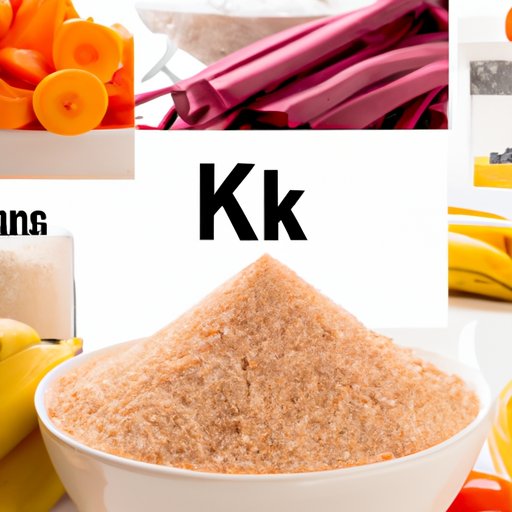
Introduction
Potassium is an important mineral that helps regulate muscle contractions, nerve signals, and heart function. It also helps maintain fluid balance and electrolyte levels in the body. Unfortunately, many people have low potassium levels due to a variety of factors. In this article, we’ll explore the causes of low potassium, as well as some tips for increasing potassium intake.
Causes of Low Potassium
Low potassium can be caused by a number of things, including poor diet, medications, and chronic health conditions. Let’s take a closer look at these causes.
Poor Diet
Many people don’t get enough potassium in their diets. The average American consumes only 2,500 milligrams of potassium per day, which is less than half of the recommended daily intake of 4,700 milligrams. This can lead to low potassium levels over time.
Medications
Certain medications can also deplete potassium levels in the body. These include diuretics, laxatives, and corticosteroids. If you’re taking any of these medications, talk to your doctor about how to maintain adequate potassium levels.
Chronic Health Conditions
Chronic health conditions such as kidney disease, adrenal gland disorders, and digestive disorders can all lead to low potassium levels. If you have any of these conditions, it’s important to speak with your doctor about how to maintain adequate potassium levels.
How to Increase Potassium in Your Diet
Now that we’ve discussed the causes of low potassium, let’s explore some ways to increase potassium intake. Here are some tips for getting more potassium in your diet.
Eating Potassium-Rich Foods
One of the best ways to increase potassium intake is to eat more potassium-rich foods. Some of the best sources of potassium include bananas, avocados, sweet potatoes, spinach, salmon, yogurt, and other fruits and vegetables. Eating a variety of these foods will help ensure you get enough potassium in your diet.
Using a Salt Substitute
Another way to increase potassium intake is to use a salt substitute. Most salt substitutes contain potassium chloride, which is a great way to get more potassium in your diet without adding too much sodium. Just be sure to read the label carefully to make sure the salt substitute doesn’t contain too much sodium.
Consuming Potassium Supplements
If you’re having trouble getting enough potassium in your diet, you may want to consider taking a potassium supplement. Potassium supplements come in both pill and powder form, and they can be a great way to get more potassium in your diet. However, it’s important to talk to your doctor before taking any supplements.
Increasing Intake of Fresh Fruits and Vegetables
Fresh fruits and vegetables are excellent sources of potassium. Try to incorporate more of these into your diet to help increase your potassium intake. You can also try freezing or canned fruits and vegetables if fresh produce isn’t available.
Avoiding Processed Foods
Processed foods are typically high in sodium, which can interfere with potassium absorption. To get the most benefit from your potassium-rich foods, it’s best to avoid processed foods as much as possible.
Conclusion
Increasing potassium intake is essential for maintaining good health. Fortunately, there are several ways to do this, including eating potassium-rich foods, using a salt substitute, consuming potassium supplements, increasing intake of fresh fruits and vegetables, and avoiding processed foods. By following these tips, you can ensure you get enough potassium in your diet and reap the associated health benefits.
(Note: Is this article not meeting your expectations? Do you have knowledge or insights to share? Unlock new opportunities and expand your reach by joining our authors team. Click Registration to join us and share your expertise with our readers.)