
Introduction
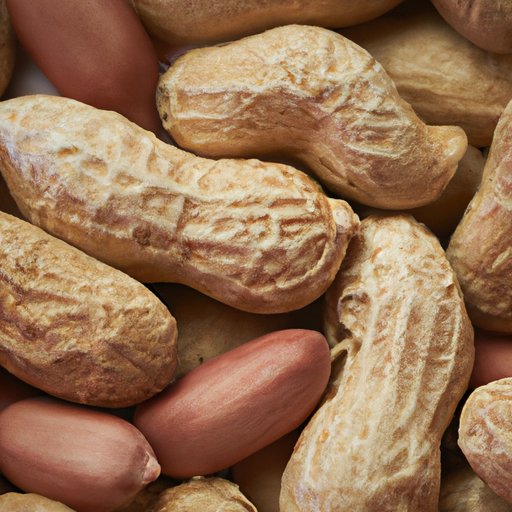
Peanuts are a popular type of nut that is widely consumed around the world. They are high in protein, vitamins, minerals, and fiber, and can be eaten raw, roasted, salted, or ground into a paste. However, there are some potential health risks associated with eating peanuts, including the risk of allergies, contamination, and interactions with other medications. In this article, we will explore the nutritional benefits and health risks of eating peanuts to help you decide if they are a healthy choice for your diet.

Analyzing the Nutritional Benefits of Eating Peanuts
Peanuts are a nutrient-dense food, meaning they are packed with essential vitamins, minerals, and other nutrients. Here are some of the key nutritional benefits of eating peanuts:
Protein Content
Peanuts are an excellent source of plant-based protein. One ounce (28 grams) of peanuts contains 7 grams of protein, which is about 15% of the recommended daily intake for adults. Protein plays an important role in building and maintaining muscle, and it can also help keep you feeling full longer.
Vitamin and Mineral Content
Peanuts are a good source of several vitamins and minerals, including vitamin E, niacin, folate, magnesium, phosphorus, zinc, and copper. These nutrients play an important role in overall health and may help reduce the risk of certain diseases, such as heart disease and cancer.
Fiber Content
Peanuts are also rich in dietary fiber. Fiber helps promote regularity and may help reduce cholesterol levels. One ounce of peanuts contains 2 grams of fiber, which is about 8% of the recommended daily intake for adults.
Exploring the Health Risks Associated with Peanut Consumption
Though peanuts have many nutritional benefits, there are some potential health risks associated with their consumption. Here are some of the most common health risks to consider:
Allergy Risk
One of the most serious risks associated with eating peanuts is the potential for an allergic reaction. According to the American College of Allergy, Asthma, and Immunology, peanut allergies affect about 1% of the population. Symptoms of a peanut allergy can range from mild to severe and may include itching, hives, swelling, difficulty breathing, and anaphylaxis. If you have a known peanut allergy, avoid eating peanuts at all costs.
Risk of Contamination
Peanuts can be contaminated with bacteria, mold, and other toxins, which can cause food poisoning. The risk of contamination is highest when peanuts are grown in areas with poor sanitation or stored improperly. To reduce your risk of contamination, buy peanuts from reputable sources and store them in a cool, dry place.
Potential Interactions with Other Medications
Peanuts contain compounds known as phytates and lectins, which can interfere with the absorption of certain medications. If you take any prescription medications, talk to your doctor before adding peanuts to your diet.

Examining the Role of Peanuts in a Healthy Diet
Though there are potential health risks associated with eating peanuts, they can still be part of a healthy diet. Here are some tips for incorporating peanuts into your diet in a safe and healthy way:
Recommendations for Moderate Consumption
To minimize your risk of adverse effects, limit your intake of peanuts to no more than one to two ounces per day. This amount should provide enough protein, vitamins, minerals, and fiber without putting you at risk of an allergic reaction or other health concerns.
Substituting Peanuts for Other Proteins
If you’re looking for a plant-based alternative to meat and dairy, try substituting peanuts for other proteins. Peanuts are a great source of plant-based protein and can be enjoyed as a snack, added to salads, or blended into smoothies.

Debunking Common Myths About Peanuts and Health
Despite the many nutritional benefits of peanuts, there are some common myths about their health effects. Here are some of the most common myths about peanuts and their effects on health:
Peanuts Are Not High in Fat
Contrary to popular belief, peanuts are not high in fat. In fact, they contain mostly healthy fats, such as monounsaturated and polyunsaturated fats, which may help reduce cholesterol levels and improve heart health.
Peanuts Do Not Cause Weight Gain
Another common myth is that peanuts cause weight gain. While it’s true that peanuts are calorie-dense, research suggests that people who eat peanuts regularly tend to have a lower body mass index (BMI). Additionally, the protein and fiber content of peanuts may help keep you feeling fuller longer, which can help prevent overeating.
Peanuts Are Not Unhealthy
Some people believe that peanuts are unhealthy because of their high calorie content. However, research suggests that peanuts can actually be a healthy addition to your diet. As long as you stick to moderate portions, peanuts can provide a variety of essential nutrients and may even help protect against certain diseases.
Investigating the Impact of Peanut Allergies on Food Choices
If you or someone you know has a peanut allergy, it’s important to take extra precautions when choosing foods. Here are some tips to help you make safe and nutritious food choices:
Avoiding Cross-Contamination
Cross-contamination is a major concern for people with peanut allergies. To reduce your risk, look for foods labeled “peanut-free” or “allergen-free.” You should also avoid foods that may have come into contact with peanuts, such as those made in a facility that processes peanuts.
Reading Labels Carefully
When shopping for food, it’s important to read labels carefully. Look for ingredients that may contain peanuts, such as peanut oil, peanut butter, and hydrolyzed vegetable protein. If you’re unsure whether a food contains peanuts, don’t hesitate to contact the manufacturer for more information.
Seeking Alternatives to Peanuts
If you’re avoiding peanuts, there are plenty of other healthy snacks to choose from. Almonds, walnuts, and sunflower seeds are all great sources of nutrition and can be used as substitutes for peanuts in recipes. Additionally, many peanut-free products, such as almond butter and tahini, are available in most grocery stores.
Conclusion
In conclusion, peanuts can be part of a healthy diet. They are rich in protein, vitamins, minerals, and fiber, and may even help reduce the risk of certain diseases. However, there are some potential health risks associated with eating peanuts, including the risk of allergies, contamination, and interactions with other medications. For people with peanut allergies, it’s important to take extra precautions when choosing foods and seek out alternatives to peanuts. Overall, peanuts can be part of a healthy and balanced diet as long as they are consumed in moderation.
(Note: Is this article not meeting your expectations? Do you have knowledge or insights to share? Unlock new opportunities and expand your reach by joining our authors team. Click Registration to join us and share your expertise with our readers.)