

Introduction
Neosporin is a widely used over-the-counter ointment that has long been used to treat minor wounds and skin infections. Its powerful ingredients make it an effective way to prevent infection and promote healing. But how does Neosporin work? In this article, we’ll explore the science behind this popular wound treatment to better understand how it works.
What Is Neosporin and How Does It Help Heal Wounds?
Neosporin is an antibiotic ointment made up of three active ingredients: bacitracin, neomycin, and polymyxin B. These ingredients work together to provide protection against bacterial infection and help speed up the healing process. The bacitracin component helps fight off bacterial infections while the other two ingredients reduce inflammation and promote healing.
Neosporin also contains a significant amount of petroleum jelly, which helps form a protective barrier on the skin. This barrier helps keep out dirt and bacteria, preventing further infection and keeping skin moist to promote healing. Additionally, the ointment provides a soothing effect to the area, helping to reduce discomfort and pain.
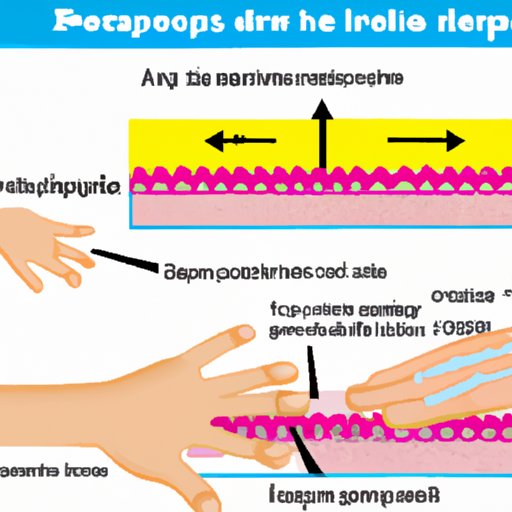
How Neosporin Combats Bacterial Infections
The active ingredients in Neosporin are antibiotics that help combat bacterial infections. Bacitracin, for example, is an antibiotic that works by inhibiting the growth of bacteria in the wound area. It prevents bacteria from producing proteins necessary for their survival, thus stopping the spread of infection.
Neomycin and polymyxin B also work to inhibit bacterial growth. These antibiotics have been shown to be particularly effective against certain types of bacteria, such as Staphylococcus and Pseudomonas. They are also beneficial in reducing inflammation, which can slow down the healing process.
Neosporin 101: The Basics of How It Works
When applied to a wound, Neosporin creates a barrier that prevents bacteria from entering and spreading. This barrier also helps keep the wound area moist and protected, allowing the body’s natural healing process to take place. Additionally, the active ingredients in Neosporin work to kill off any bacteria that may already be present in the wound.
In addition to its antibacterial properties, Neosporin contains ingredients that can help reduce inflammation. The petroleum jelly in the ointment acts as a lubricant, which can help ease discomfort and reduce swelling. Additionally, some of the ingredients in Neosporin can help improve blood circulation, which can also aid in the healing process.
Conclusion
Neosporin is a widely used over-the-counter ointment that has long been used to treat minor wounds and skin infections. Its powerful ingredients make it an effective way to prevent infection and promote healing. In this article, we explored the science behind Neosporin, including its mechanisms of action and how it combats bacterial infections.
The active ingredients in Neosporin are antibiotics that help combat bacterial infections. Neomycin and polymyxin B work to reduce inflammation and prevent further infection, while the bacitracin component helps fight off existing bacteria in the wound area. Additionally, the petroleum jelly in Neosporin helps create a protective barrier, keeping out dirt and bacteria and promoting healing.
Overall, Neosporin is a safe and effective way to treat minor wounds and skin infections. When used properly, it can help reduce the risk of infection and promote healing. With its powerful ingredients and easy application, Neosporin is an excellent choice for treating minor injuries.
(Note: Is this article not meeting your expectations? Do you have knowledge or insights to share? Unlock new opportunities and expand your reach by joining our authors team. Click Registration to join us and share your expertise with our readers.)