
Introduction
Cats have been companions to humans for centuries, but understanding them is far from easy. Cats may not speak the same language as us, but they do communicate in various ways, including through body language. This article will explore how cats like to be pet, examining their body language and the benefits of petting a cat.

Analyzing Cat Body Language to Understand Petting Preferences
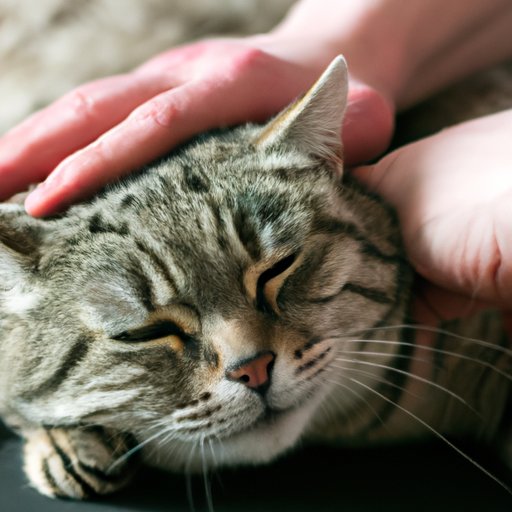
In order to understand how cats like to be pet, it’s important to pay attention to their body language. If a cat is enjoying being petted, they may show signs of pleasure such as purring, kneading, or leaning into your touch. On the other hand, if a cat is uncomfortable or stressed, they may show signs of distress such as hissing, growling, or even biting. It’s important to watch out for these signs so you can adjust the way you’re petting your cat accordingly.
Understanding a Cat’s Tail Language
The position of a cat’s tail can provide insight into how they’re feeling. According to animal behavior expert Dr. Nicholas Dodman, “A relaxed, contented cat will have a tail that is held up at an angle of around 45 degrees, while an unhappy, stressed-out cat will hold its tail low or tucked between its legs.” A happy cat may also wave their tail back and forth, while an agitated cat may lash their tail from side to side.
Reading a Cat’s Ears and Eyes
The position of a cat’s ears and eyes can also provide clues about their emotional state. If a cat’s ears are pointing forward and their eyes are wide open, this could indicate that they’re interested and curious. On the other hand, if a cat’s ears are flattened against their head and their eyes are narrowed, this could mean that they’re angry or scared. Paying attention to these subtle cues can help you determine whether a cat is enjoying being petted.

Examining the Benefits of Petting a Cat
Petting a cat can be beneficial for both the cat and the person doing the petting. Not only can it strengthen the bond between you and your cat, but it can also reduce stress levels in your cat and increase their sense of security.
Strengthening the Bond with Your Cat
“Petting is a great way to build trust and create a strong, positive bond between you and your cat,” says Dr. Elizabeth Colleran, president of the American Association of Feline Practitioners. By taking the time to pet your cat, you’re showing them that you care about them and are there to provide them with comfort and security.
Reducing Stress Levels in Your Cat
According to a study published in the journal Applied Animal Behaviour Science, petting a cat can reduce their stress levels. The study found that cats who were petted for 10 minutes showed significantly lower levels of cortisol, a hormone associated with stress, compared to cats who were not petted. This suggests that petting can be an effective way to reduce stress in cats.
Increasing Your Cat’s Sense of Security
Petting a cat can also make them feel more secure and comfortable in their environment. This is because cats rely on physical contact and affection from their owners to feel safe. Petting your cat regularly can help them feel more secure in their home and less anxious when faced with new situations.
Understanding the Difference Between Grooming and Petting
It’s important to understand the difference between grooming and petting. Grooming is an essential activity for cats, as it helps keep their fur clean and free of parasites. Petting, on the other hand, is an act of affection that is meant to provide comfort and reassurance to your cat.
Grooming as a Necessary Activity
Cats spend a lot of time grooming themselves, but they may need help from their owners in certain areas. According to veterinarian Dr. Kathryn Primm, “Cats are unable to groom their own heads and necks, so these areas often need extra attention from their owners.” Brushing and combing your cat’s fur can help remove dead hair and debris, which can help reduce shedding and keep their coat healthy.
Petting as an Act of Affection
Petting a cat is an act of love and affection that can help strengthen the bond between you and your cat. Petting your cat can also be beneficial for their mental health, as it can help reduce stress and make them feel more secure in their environment. When petting your cat, it’s important to be gentle and slow, as this will help them feel more relaxed.
Exploring How Different Strokes Affect a Cat’s Mood
Different strokes can have different effects on a cat’s mood. While some cats may enjoy being stroked along their entire body, others may prefer specific areas such as their chin or neck. It’s important to observe your cat’s reactions to different strokes so you can figure out what they like and don’t like.
Identifying Different Types of Strokes
There are several different types of strokes that can be used when petting a cat. These include scratching behind their ears, rubbing their chin, and gently stroking their fur. Each cat is different, so it’s important to experiment with different strokes to see which ones your cat enjoys the most.
Observing a Cat’s Response to Different Strokes
When petting your cat, it’s important to pay attention to their body language and reactions. If your cat seems to be enjoying the experience, they may show signs of pleasure such as purring, kneading, or leaning into your touch. On the other hand, if your cat seems uncomfortable or stressed, they may show signs of distress such as hissing, growling, or even biting.

Investigating the Relationship Between Petting and Purring
Purring is one of the most recognized sounds that cats make, but what does it mean? Does purring indicate that a cat is enjoying being petted, or is it something else entirely? Let’s take a closer look at the relationship between petting and purring.
The Meaning Behind a Cat’s Purr
Purring is a sound that cats make when they’re feeling content and relaxed. According to animal behaviorist Dr. Roger Mugford, “Purring is usually associated with positive emotions, such as pleasure, contentment, and satisfaction.” It can also be a sign of security and comfort, as cats often purr when they’re being petted or cuddled.
Connecting Petting and Purring
While purring is usually associated with positive emotions, it’s important to remember that cats purr for a variety of reasons. For example, some cats may purr when they’re feeling sick or in pain. However, in most cases, purring is a sign that a cat is enjoying being petted and is feeling content and relaxed.
Investigating the Effects of Petting on a Cat’s Stress Level
Petting a cat can be beneficial for both the cat and the person doing the petting, but how exactly does it affect a cat’s stress level? Let’s take a look at the research.
Recognizing the Signs of Stress in Cats
Stress in cats can manifest in various ways, including excessive vocalization, aggression, and changes in appetite. It’s important to be aware of these signs so you can take steps to reduce your cat’s stress level.
Evaluating the Impact of Petting on Stress Levels
According to a study published in the journal Applied Animal Behaviour Science, petting a cat can reduce their stress levels. The study found that cats who were petted for 10 minutes showed significantly lower levels of cortisol, a hormone associated with stress, compared to cats who were not petted. This suggests that petting can be an effective way to reduce stress in cats.
Conclusion
Petting a cat can be beneficial for both the cat and the person doing the petting. Not only can it strengthen the bond between you and your cat, but it can also reduce stress levels in your cat and increase their sense of security. Understanding a cat’s body language is key to understanding how they like to be petted, as well as recognizing the difference between grooming and petting. Finally, research has shown that petting a cat can reduce their stress levels, making it an effective way to reduce stress in cats.
In conclusion, petting a cat can be an enjoyable and rewarding experience for both the cat and the person doing the petting. By taking the time to pay attention to your cat’s body language and understanding how they like to be petted, you can create a strong bond with your cat and help reduce their stress levels.
Summary of Key Points
This article explored how cats like to be pet, examining their body language and the benefits of petting a cat. It was found that petting a cat can strengthen the bond between you and your cat, reduce their stress levels, and increase their sense of security. It’s important to understand the difference between grooming and petting, and to observe a cat’s response to different strokes. Finally, research has shown that petting a cat can reduce their stress levels.
Recommendations for Further Reading
For more information about cats and petting, check out the following resources:
- Understanding Your Cat’s Body Language
- The Benefits of Petting Your Cat
- How to Pet a Cat Properly
- Why Do Cats Purr?
-
(Note: Is this article not meeting your expectations? Do you have knowledge or insights to share? Unlock new opportunities and expand your reach by joining our authors team. Click Registration to join us and share your expertise with our readers.)