
Introduction
Building muscle is an important part of any fitness program. It boosts metabolism, strengthens bones, increases energy levels, and helps burn fat. But in order to effectively build muscle, it’s essential to get the right amount of protein. Protein is a macronutrient that’s made up of amino acids, which are the building blocks of muscle. So if you’re serious about gaining strength and building muscle, understanding how much protein you need is key.

Calculating Your Protein Needs for Muscle Gain
When calculating your protein needs for muscle gain, there are a few factors to consider. The first is your body weight and activity level. According to the National Academy of Medicine, the recommended daily allowance (RDA) for protein is 0.8 grams per kilogram of body weight. For example, if you weigh 70 kilograms, your recommended daily protein intake would be 56 grams.
Your activity level is also important to consider when calculating your protein needs. If you’re an athlete or regularly engage in high-intensity exercise, you may need more protein than the RDA. According to a 2016 study published in the American Journal of Clinical Nutrition, athletes should consume 1.2-2.0 grams of protein per kilogram of body weight per day for optimal muscle growth and recovery.
Using Protein Supplements to Maximize Muscle Growth
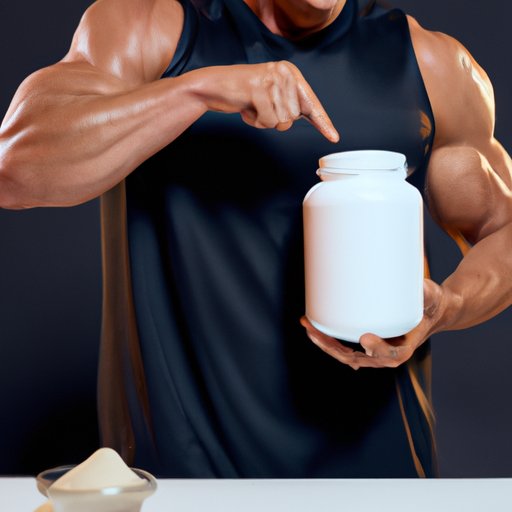
Once you know how much protein you need, you can start incorporating protein supplements into your diet to maximize muscle growth. Protein supplements come in various forms, including powders, bars, and drinks. They are often easier to digest than food sources and can provide the nutrients you need quickly. Supplements can also help you reach your protein goals without having to eat large meals. Some popular types of protein supplements include whey, casein, soy, and hemp.
Eating the Right Amount of Protein for Maximum Muscle Gains
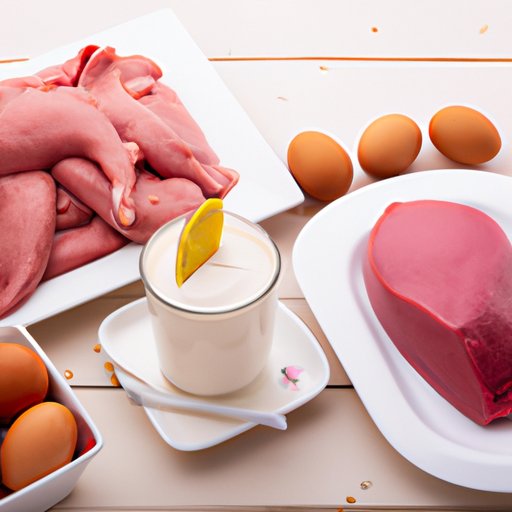
In addition to using protein supplements, it’s also important to eat the right amount of protein from food sources. Timing of meals is important here, as eating protein both before and after workouts can help maximize muscle gains. It’s also important to choose quality sources of protein such as lean meats, fish, eggs, and dairy products.
The Benefits of Eating Protein for Muscle Building
Eating enough protein has numerous benefits for muscle building. It can help improve muscle growth and strength, as well as reduce muscle loss due to aging. Protein can also help with fat loss by increasing metabolism and reducing hunger. A 2011 study published in the American Journal of Clinical Nutrition found that consuming a higher-protein diet can lead to greater fat loss over time.
High-Protein Diets for Maximum Muscle Mass
For those looking to maximize muscle mass, a high-protein diet may be beneficial. High-protein diets typically consist of 25-30% of calories coming from protein sources. This type of diet can help increase muscle mass and strength, as well as improve overall health. Sample meal plans for a high-protein diet may include lean proteins such as chicken, fish, and eggs, along with healthy fats like nuts and avocados, and complex carbohydrates like quinoa and sweet potatoes.
Protein Requirements for Different Types of Athletes
The amount of protein needed for muscle building varies depending on the type of athlete. Endurance athletes such as runners and cyclists may need more protein than strength athletes such as weightlifters. Bodybuilders may need even more protein than other athletes due to their intense training regimens. Generally, athletes should aim for 1.2-2.0 grams of protein per kilogram of body weight per day.
Choosing the Right Protein Sources for Muscle Building
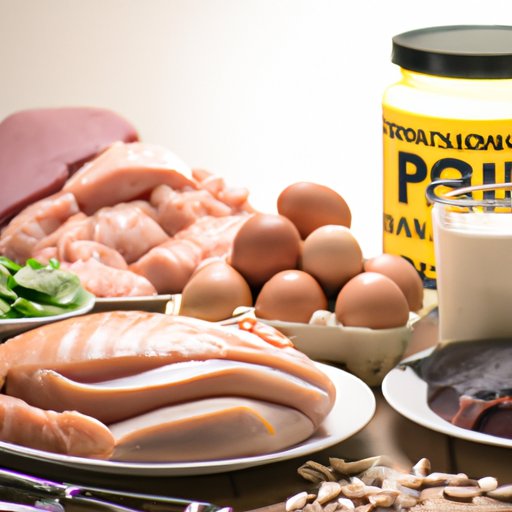
When choosing protein sources for muscle building, it’s important to select high-quality proteins. Animal proteins such as lean meats, fish, eggs, and dairy are good sources of complete proteins, meaning they contain all nine essential amino acids. Plant proteins such as legumes, nuts, and seeds are also good sources of protein, although they may not contain all nine essential amino acids.
Conclusion
Eating enough protein is essential for muscle building and athletic performance. To maximize muscle growth, it’s important to calculate your protein needs based on your body weight and activity level, and then incorporate both food and supplement sources of protein. Quality sources of animal and plant proteins should be consumed throughout the day for optimal muscle growth. By following these guidelines, you can ensure that you’re getting the protein you need for maximum muscle gains.
(Note: Is this article not meeting your expectations? Do you have knowledge or insights to share? Unlock new opportunities and expand your reach by joining our authors team. Click Registration to join us and share your expertise with our readers.)