
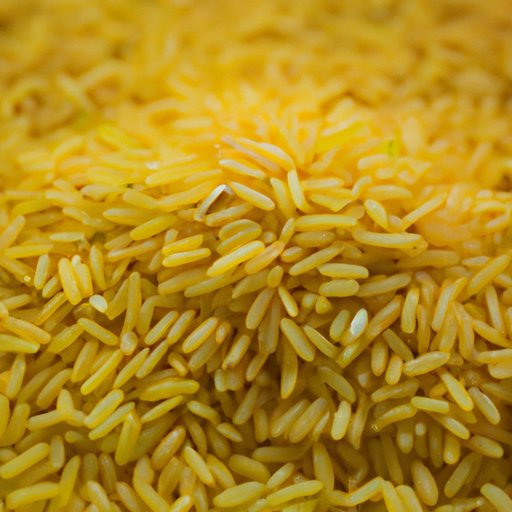
Introduction
Yellow rice is a popular dish in many cultures around the world. It is made by cooking white rice with turmeric, which gives it a distinctive yellow color and flavor. While it has long been enjoyed as a tasty side dish, some people are now exploring its potential health benefits. In this article, we will discuss the nutritional content of yellow rice and examine the possible health benefits of including it in your diet.

Nutritional Analysis of Yellow Rice
The nutritional content of yellow rice varies depending on the ingredients used but, in general, it is a good source of carbohydrates, fiber, and several essential vitamins and minerals. One cup of cooked yellow rice contains approximately 206 calories, 44 grams of carbohydrates, 3.5 grams of fiber, and 4.4 grams of protein. It also provides a range of vitamins and minerals, such as manganese, iron, magnesium, phosphorus, thiamin, and folate. The amount of these nutrients can vary slightly depending on the brand or type of yellow rice you purchase.
When compared to white rice, yellow rice is a slightly more nutrient-dense option. It contains slightly more fiber, protein, and vitamins, while having a comparable amount of carbohydrates and calories. However, it is important to note that both white and yellow rice are low in essential nutrients and should be consumed in moderation as part of a balanced diet.

Exploring the Health Benefits of Yellow Rice
In addition to its nutritional content, yellow rice may offer a variety of health benefits. According to a study published in the journal Food Science and Human Nutrition, the antioxidants found in turmeric have anti-inflammatory properties that may help to reduce inflammation in the body. This could potentially be beneficial for those suffering from conditions like arthritis or other inflammatory diseases.
Yellow rice is also high in fiber, which can help to promote regularity and lower cholesterol levels. Additionally, due to its vitamin and mineral content, yellow rice can help to increase energy levels and support overall health. Finally, the antioxidants in yellow rice may also help to protect against certain types of cancer.
How Eating Yellow Rice Can Help You Reach Your Health Goals
Eating yellow rice can be a great way to reach your health goals. For example, if you are looking to lose weight, incorporating yellow rice into your diet can help you feel fuller longer, thus reducing your overall calorie intake. Additionally, if you are trying to increase your intake of essential vitamins and minerals, adding yellow rice to your meals is an easy way to do so. Finally, regularly eating yellow rice can help to reduce your risk of developing certain chronic illnesses, such as heart disease or diabetes.
Comparing the Nutritional Content of White and Yellow Rice
When comparing the nutritional content of white and yellow rice, there are some key differences to consider. White rice is higher in calories and carbohydrates but lower in fiber, protein, and vitamins. On the other hand, yellow rice is higher in fiber, protein, and vitamins but slightly lower in calories and carbohydrates. Therefore, it is important to consider your individual nutritional needs when deciding which type of rice to include in your diet.

Examining the Pros and Cons of Eating Yellow Rice
As with any food, there are both advantages and disadvantages to eating yellow rice. On the one hand, it is a good source of essential vitamins and minerals and can help to reduce inflammation and improve overall health. On the other hand, it is relatively low in fiber and protein and should not be eaten in excess. Therefore, it is important to consider both the pros and cons before adding yellow rice to your diet.
The Benefits of Adding Yellow Rice to Your Diet
In conclusion, yellow rice can be a healthy addition to any diet. It is a good source of essential vitamins and minerals and can help to reduce inflammation and improve overall health. Furthermore, it is lower in calories and carbohydrates than white rice, making it a great choice for those looking to lose weight. However, it is important to remember to eat it in moderation and pair it with other nutritious foods to ensure a balanced diet.
Conclusion
In summary, yellow rice is a healthy and delicious option for those looking to add more nutrition to their diets. While it is slightly more nutrient-dense than white rice, both types of rice should be eaten in moderation as part of a balanced diet. Eating yellow rice can help to reduce inflammation, increase energy levels, and even help to protect against certain types of cancer. So, if you’re looking for a nutritious and flavorful way to reach your health goals, consider adding yellow rice to your meals.
(Note: Is this article not meeting your expectations? Do you have knowledge or insights to share? Unlock new opportunities and expand your reach by joining our authors team. Click Registration to join us and share your expertise with our readers.)