
Introduction
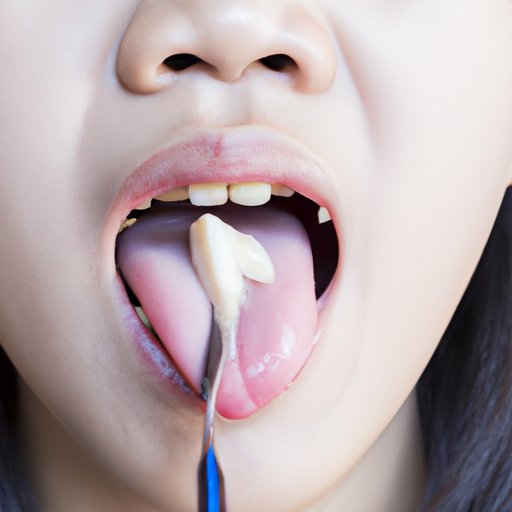
A tooth extraction is a procedure in which a tooth is completely removed from the mouth. This may be done due to decay or damage, overcrowding, or as part of orthodontic treatment. After a tooth extraction, it is important to take care of the area to promote healing and avoid infection. One of the most common questions people have about tooth extractions is “how long after extraction can I eat?” In this article, we will explore the dos and don’ts of eating after a tooth extraction, factors that influence healing time, and tips for determining when it is safe to eat.
The Dos and Don’ts of Eating After a Tooth Extraction
It is important to understand the dos and don’ts of eating after a tooth extraction. According to the American Dental Association, it is important to avoid certain foods after a tooth extraction in order to reduce the risk of complications. Foods that are difficult to chew, such as steak, nuts, and raw vegetables, should be avoided as they can irritate the wound site and cause bleeding. It is also important to avoid hard, crunchy, or chewy foods, such as popcorn, chips, and sticky candy, as these can cause the wound to reopen. Additionally, it is important to avoid hot drinks, such as coffee and tea, as these can increase the risk of infection.
In addition to avoiding certain foods, there are some general guidelines for eating after a tooth extraction. For the first few days following the procedure, it is best to stick to soft foods that are easy to chew and swallow, such as mashed potatoes, oatmeal, yogurt, and soup. It is also important to stay hydrated by drinking plenty of fluids, such as water, juice, and milk. It is also important to practice good oral hygiene, such as brushing and flossing regularly and using a warm saltwater rinse to keep the area clean.
How Long Should You Wait to Eat After a Tooth Extraction?
When it comes to eating after a tooth extraction, one of the most important questions is “how long should you wait?” The answer depends on several factors, including the type of extraction, the age of the patient, and the overall health of the individual. Generally, it is recommended to wait at least 24 hours before eating solid foods after a tooth extraction.
There are some factors that can influence the healing time after a tooth extraction. For example, if the extraction was complicated or the patient has diabetes, it may take longer for the area to heal. Additionally, smoking can slow down the healing process, so it is important to avoid smoking during the recovery period. Finally, it is important to remember that everyone heals differently, so it is important to follow the advice of your dentist when determining when it is safe to eat solid foods.
Here are some tips for determining when it is safe to eat after a tooth extraction:
- Wait at least 24 hours before eating solid foods.
- Listen to your body – if you feel any discomfort or pain while eating, stop and wait until you feel ready.
- If the wound site is still bleeding, wait until the bleeding stops before eating.
- Be aware of any swelling or pain near the extraction site.
- Avoid foods that are hard, crunchy, or chewy.
What Are the Risks of Eating Too Soon After a Tooth Extraction?
Eating too soon after a tooth extraction can increase the risk of infection and other complications. If the wound site is not healed properly, food particles can enter the wound and cause inflammation and infection. Additionally, eating too soon can cause the wound to reopen, leading to increased bleeding and pain. To reduce the risk of infection, it is important to follow the instructions of your dentist.
Here are some ways to reduce the risk of infection after a tooth extraction:
- Wait at least 24 hours before eating solid foods.
- Follow your dentist’s instructions for post-extraction care.
- Avoid smoking and drinking alcohol.
- Clean the wound site with a warm saltwater rinse twice a day.
- Avoid foods that are hard, crunchy, or chewy.
Post-Extraction Care: When Is It Safe to Eat?
Once the wound has healed and the bleeding has stopped, it is safe to begin eating solid foods. However, it is important to start slowly and gradually increase the variety of food consumed. It is also important to avoid foods that are difficult to chew, such as steak, nuts, and raw vegetables. Instead, opt for soft foods that are easy to chew and swallow, such as mashed potatoes, oatmeal, yogurt, and soup.
Here are some guidelines for increasing the variety of food consumed after a tooth extraction:
- Start with soft foods that are easy to chew and swallow, such as mashed potatoes, oatmeal, yogurt, and soup.
- Gradually increase the variety of food consumed, starting with softer foods and working up to harder foods.
- Avoid hard, crunchy, or chewy foods, such as popcorn, chips, and sticky candy.
- Avoid hot drinks, such as coffee and tea, as these can increase the risk of infection.
What to Eat (and Avoid) After a Tooth Extraction
After a tooth extraction, it is important to eat foods that are easy to chew and swallow. Soft foods, such as mashed potatoes, oatmeal, yogurt, and soup, are safe to eat and can help reduce the risk of further irritation or infection. Additionally, it is important to avoid hard, crunchy, or chewy foods, such as popcorn, chips, and sticky candy.
It is also important to avoid foods that are high in acid, such as citrus fruits, tomatoes, and vinegar. These foods can irritate the wound site and increase the risk of infection. Additionally, it is important to avoid spicy foods, such as chili peppers and hot sauce, as these can cause irritation and pain. Finally, it is important to avoid hot drinks, such as coffee and tea, as these can increase the risk of infection.
Tips for Eating Comfortably After a Tooth Extraction
Eating after a tooth extraction can be uncomfortable, but there are some strategies for avoiding discomfort while eating. For example, it is important to chew on the opposite side of the extraction site and to take small bites. Additionally, it is important to avoid straws, as they can create suction and cause the wound to reopen. Finally, it is important to avoid crunchy, chewy, or hard foods, as these can cause pain and irritation.

Pain Management Strategies After a Tooth Extraction
Pain and discomfort are common after a tooth extraction, but there are some strategies for managing pain. Over-the-counter medications, such as ibuprofen and acetaminophen, can help relieve pain and inflammation. Additionally, ice packs can help reduce swelling and discomfort. Finally, it is important to avoid smoking and drinking alcohol, as these can slow down the healing process.
Conclusion
Recovering from a tooth extraction can take time, but it is important to take care of the area and follow the instructions of your dentist. It is generally recommended to wait at least 24 hours before eating solid foods after a tooth extraction. Additionally, it is important to avoid foods that are difficult to chew or swallow, such as steak, nuts, and raw vegetables. Finally, it is important to practice good oral hygiene and use over-the-counter medications to help manage pain and discomfort.
(Note: Is this article not meeting your expectations? Do you have knowledge or insights to share? Unlock new opportunities and expand your reach by joining our authors team. Click Registration to join us and share your expertise with our readers.)