
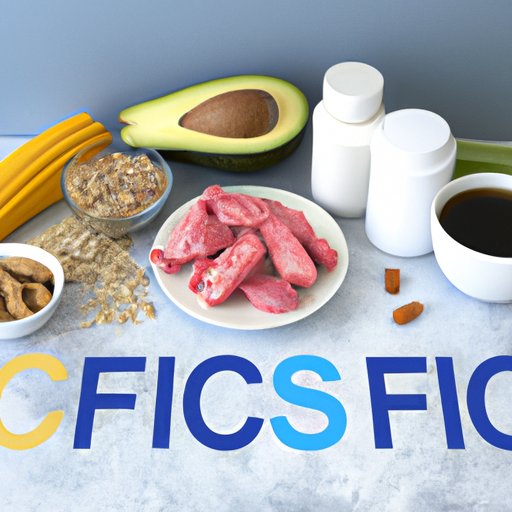
Introduction
Polycystic ovary syndrome (PCOS) is an endocrine disorder that affects women of childbearing age. It is characterized by the presence of cysts on the ovaries, irregular menstrual cycles, and elevated levels of androgens. Symptoms of PCOS can include acne, hair loss, and weight gain. The goal of a PCOS diet is to minimize these symptoms and reduce the risk of long-term health complications.

Overview of Challenges and Benefits of a PCOS Diet
While there is no one-size-fits-all diet for PCOS, there are certain dietary guidelines that can be beneficial for managing symptoms. Eating a nutrient-dense diet with plenty of fruits, vegetables, whole grains, and lean proteins can help regulate hormones and reduce inflammation. Additionally, limiting refined carbohydrates, saturated fats, and added sugars can help manage insulin resistance and improve fertility.
A healthy PCOS diet should also include foods rich in essential vitamins and minerals such as vitamin D, zinc, magnesium, and omega-3 fatty acids. These nutrients can help reduce inflammation, balance hormones, and support overall health. While following a PCOS diet may seem daunting at first, the benefits far outweigh the challenges.

How to Create a Balanced PCOS Diet Plan
Creating a balanced PCOS diet plan requires careful consideration of the types of food you eat and the amount of calories consumed. Here are some tips to get started:
Focus on Nutrient-Dense Foods
Nutrient-dense foods are those that provide the most vitamins, minerals, and other important nutrients for the least amount of calories. Examples include fresh fruits and vegetables, legumes, nuts, and whole grains. These foods are low in calories but high in fiber and essential nutrients, making them ideal for a PCOS diet.
Avoid Processed Foods
Processed foods are often high in sugar, unhealthy fats, and sodium. They can cause blood sugar spikes, which can lead to further insulin resistance. Avoiding processed foods and opting for natural, unprocessed options can help keep blood sugar levels stable.
Choose Low Glycemic Index Foods
Glycemic index (GI) measures how quickly a food increases blood sugar levels. Foods with a low GI, such as oats, sweet potatoes, and legumes, are digested slowly and do not cause rapid fluctuations in blood sugar. Eating low-GI foods can help prevent cravings and reduce the risk of developing diabetes.
Increase Fiber Intake
Eating foods high in fiber can help reduce insulin resistance and slow the absorption of glucose into the bloodstream. Good sources of fiber include beans, whole grains, nuts, seeds, and fruits. Aim for 25-30 grams of fiber per day to reduce PCOS symptoms.
Monitor Calorie Intake
Calorie control is important for managing PCOS symptoms. Eating too few calories can disrupt hormone levels, while eating too many can lead to weight gain. Keeping track of your calorie intake and making sure you are getting enough nutrients from your food can help maintain a healthy weight.

Eating for PCOS: A Comprehensive Guide
Following a healthy diet can help reduce PCOS symptoms and improve overall health. Here is a comprehensive guide to eating for PCOS:
Include Fruits, Vegetables, Whole Grains, and Legumes
Fruits, vegetables, whole grains, and legumes are all excellent sources of fiber, vitamins, and minerals. Eating a variety of these foods can help regulate hormones and reduce inflammation. Try to incorporate at least five servings of fruits and vegetables into your diet each day.
Eat Lean Protein Sources
Protein helps build and repair cells and tissues. Good sources of lean protein include fish, poultry, eggs, beans, and tofu. Eating adequate amounts of protein can help reduce hunger cravings and support muscle growth.
Limit Saturated and Trans Fats
Saturated and trans fats can increase the risk of developing heart disease and diabetes. These fats are found in fried foods, processed meats, and full-fat dairy products. Limiting these foods can help reduce the risk of developing chronic diseases.
Consume Healthy Fats
Healthy fats, such as olive oil, avocados, and nuts, contain monounsaturated and polyunsaturated fats. These fats can help reduce inflammation and improve cholesterol levels. Aim for about 20-30% of your total calorie intake to come from healthy fats.
Drink Plenty of Water
Staying hydrated is important for overall health. Drinking water throughout the day can help reduce fatigue and cravings, while also flushing out toxins and promoting healthy digestion. Aim for at least eight glasses of water per day.
Five Nutritional Tips to Help Manage PCOS Symptoms
Making small changes to your diet can help manage PCOS symptoms. Here are five nutritional tips to keep in mind:
Eat Regular Meals
Eating regular meals throughout the day can help reduce cravings and stabilize blood sugar levels. Aim for three meals and two snacks per day, focusing on nutrient-dense foods. Eating regularly can also help prevent overeating and weight gain.
Reduce Refined Carbohydrates
Refined carbohydrates, such as white bread, pasta, and rice, can cause blood sugar spikes and lead to weight gain. Opt for whole-grain alternatives and limit your intake of processed carbs.
Avoid Sugar
Added sugars can increase insulin resistance and contribute to weight gain. Limit your intake of sugary beverages and desserts and opt for naturally sweetened foods instead.
Control Portion Size
Portion control is key for managing PCOS symptoms. Eating smaller portions can help reduce calorie intake and prevent overeating. Use measuring cups or a food scale to ensure you are getting the right amount of food.
Get Enough Sleep
Getting enough sleep is essential for maintaining optimal health. Lack of sleep has been linked to higher levels of insulin, which can worsen PCOS symptoms. Aim for seven to nine hours of sleep per night.
Should You Try a Low-Carb Diet for PCOS?
Low-carb diets have become popular for weight loss and management of chronic diseases. But is it a good choice for PCOS? Let’s take a look at the potential benefits and risks of a low-carb diet for PCOS.
Benefits of Low-Carb Diets
A low-carb diet can help reduce insulin resistance and lower blood sugar levels. Studies have shown that following a low-carb diet can lead to significant improvements in PCOS symptoms such as weight loss, improved fertility, and reduced acne.
Risks of Low-Carb Diets
Although a low-carb diet can be beneficial for some people with PCOS, it is not without risks. Following a strict low-carb diet can lead to nutrient deficiencies, fatigue, and constipation. Additionally, some low-carb diets can be too restrictive and difficult to sustain long-term.
When to Consider Low-Carb Diets
If you are considering a low-carb diet for PCOS, it is important to consult with your doctor first. A registered dietitian can help you create a safe and sustainable plan that meets your individual needs. If done correctly, a low-carb diet can be an effective way to manage PCOS symptoms.
The Role of Supplements in Treating PCOS
In addition to a healthy diet, certain supplements can be beneficial for managing PCOS symptoms. Here are some supplements to consider:
Vitamins and Minerals
Certain vitamins and minerals can help reduce inflammation and balance hormones. Vitamin D, zinc, magnesium, and omega-3 fatty acids have all been shown to improve PCOS symptoms. Talk to your doctor before taking any supplements to make sure they are safe for you.
Herbal Supplements
Herbal supplements, such as chasteberry, saw palmetto, and cinnamon, can help reduce inflammation and regulate hormones. However, it is important to note that herbal supplements are not regulated by the FDA and their safety and effectiveness is not guaranteed. Consult with your doctor before taking any herbal supplements.
Making Healthy Food Choices to Combat PCOS Symptoms
Making healthy food choices is an important part of managing PCOS symptoms. Here are some tips to help get you started:
Choose Healthy Fats
Healthy fats, such as olive oil, avocados, and nuts, are high in monounsaturated and polyunsaturated fats. These fats can help reduce inflammation and improve cholesterol levels. Aim for about 20-30% of your total calorie intake to come from healthy fats.
Increase Fiber Intake
Eating foods high in fiber can help reduce insulin resistance and slow the absorption of glucose into the bloodstream. Good sources of fiber include beans, whole grains, nuts, seeds, and fruits. Aim for 25-30 grams of fiber per day to reduce PCOS symptoms.
Avoid Processed Foods
Processed foods are often high in sugar, unhealthy fats, and sodium. They can cause blood sugar spikes, which can lead to further insulin resistance. Avoiding processed foods and opting for natural, unprocessed options can help keep blood sugar levels stable.
Watch Sodium Intake
Excess sodium can lead to fluid retention and increased blood pressure. Choose low-sodium options when possible and avoid adding extra salt to your food. Consuming no more than 2,300 milligrams of sodium per day is recommended for optimal health.
Conclusion
A healthy PCOS diet can help reduce symptoms and improve overall health. Focus on nutrient-dense foods and avoid processed and refined carbohydrates. Increase your intake of fiber and healthy fats and limit saturated and trans fats. Finally, consider adding vitamins and minerals, as well as herbal supplements, to your daily routine. By following these guidelines, you can create a balanced diet plan and make healthy food choices to combat PCOS symptoms.
(Note: Is this article not meeting your expectations? Do you have knowledge or insights to share? Unlock new opportunities and expand your reach by joining our authors team. Click Registration to join us and share your expertise with our readers.)