
Introduction
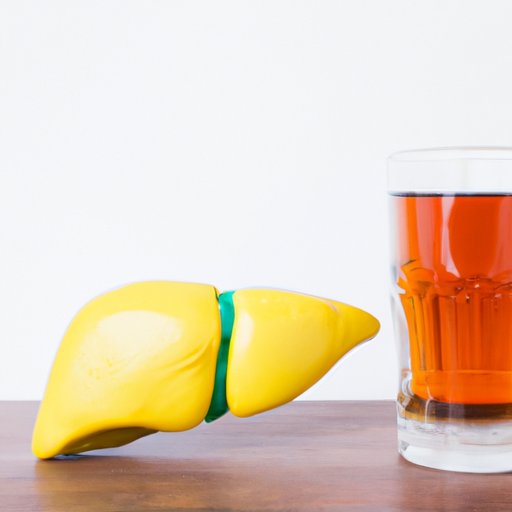
The liver is one of the most important organs in the body and is responsible for hundreds of essential functions. It helps filter toxins from the blood, produces bile to aid in digestion, and regulates hormones that are necessary for good health. Therefore, it’s important to maintain a healthy liver in order to stay healthy and prevent chronic illnesses.

Definition of a Healthy Liver
A healthy liver is one that is functioning optimally and not affected by any diseases or conditions. It should be able to perform its many tasks without difficulty or impairment. A healthy liver should have no signs of scarring, inflammation, or any other structural abnormalities.

Overview of Liver Health Issues
Liver health can be compromised by a variety of factors, including excessive alcohol consumption, poor diet, lack of exercise, exposure to toxins, and certain medical conditions. If left untreated, these issues can lead to serious health problems such as cirrhosis, fatty liver disease, and even liver cancer. It’s important to take steps to protect and support your liver in order to avoid these complications.
Avoid Excessive Alcohol Consumption
Excessive alcohol consumption is one of the leading causes of liver damage. According to the Centers for Disease Control and Prevention (CDC), “heavy drinking over time can cause fatty liver, inflammation, and scarring of the liver, which can lead to cirrhosis.”
Short-term Effects
In the short-term, excessive alcohol consumption can cause symptoms such as nausea, vomiting, headaches, and fatigue. It can also impair your judgment and coordination, making activities like driving dangerous.
Long-term Effects
In the long-term, heavy drinking can cause permanent damage to the liver, resulting in cirrhosis, liver failure, and even death. The CDC recommends limiting alcohol consumption to no more than two drinks per day for men and one drink per day for women.
Eat a Healthy Diet with Plenty of Fruits and Vegetables
Eating a balanced diet that includes plenty of fruits and vegetables can help keep your liver healthy. A healthy diet should include whole grains, lean proteins, nuts and seeds, and healthy fats. Additionally, it should be low in processed foods, saturated fats, and added sugars.
Benefits of Eating a Healthy Diet
A healthy diet can help reduce inflammation, improve digestion, and support liver detoxification. It can also help control cholesterol levels and reduce the risk of obesity and type 2 diabetes, both of which can put additional strain on the liver.
Examples of Healthy Foods to Include
Some examples of healthy foods to include in your diet are leafy greens, cruciferous vegetables (such as broccoli, cauliflower, and Brussels sprouts), citrus fruits, fatty fish, legumes, and nuts. Additionally, you should aim to drink at least eight glasses of water a day to help flush toxins from the body.
Exercise Regularly
Regular physical activity can help support a healthy liver. Exercise increases the flow of blood to the liver and helps the body rid itself of toxins. It can also help reduce stress levels, which can have a positive effect on overall health.
Benefits of Exercise
Studies have shown that regular exercise can help reduce inflammation, improve cholesterol levels, and reduce the risk of metabolic diseases. It can also help you maintain a healthy weight, which is important for optimal liver health.
Types of Exercise
There are many types of exercise you can do to support your liver health. Some examples include walking, running, swimming, cycling, and strength training. Aim to get at least 30 minutes of moderate physical activity five days a week.

Avoid Processed and Fried Foods
Processed and fried foods can be detrimental to your liver health. These foods are typically high in fat, sugar, and sodium, all of which can put strain on the liver. Additionally, they often contain unhealthy trans fats and artificial ingredients, which can be difficult for the liver to process.
Why Processed and Fried Foods Should Be Avoided
Processed and fried foods can increase inflammation and cause oxidative stress, both of which can damage the liver. Additionally, they can contribute to weight gain, which can put additional strain on the organ.
Healthy Alternatives
Instead of processed and fried foods, opt for healthier alternatives such as fruits, vegetables, whole grains, and lean proteins. You can also make your own snacks at home using fresh, natural ingredients.
Take Supplements to Support Liver Health
Certain supplements can help support your liver health. They can help improve digestion, reduce inflammation, and support detoxification. However, it’s important to speak to your doctor before taking any supplements to ensure they’re appropriate for your individual needs.
Types of Supplements
Some common supplements used to support liver health include milk thistle, turmeric, dandelion root, artichoke extract, and N-acetylcysteine. Additionally, probiotics can help improve digestion and support the growth of beneficial bacteria in the gut.
How to Select the Right Supplement
When selecting a supplement, look for one that is free from fillers and additives. Additionally, make sure it is made from high-quality, natural ingredients. It’s also important to read the label carefully to ensure the supplement is safe and effective.
Reduce Stress Levels
Stress can have a negative effect on your liver health. It can increase inflammation, impair digestion, and interfere with the body’s ability to detoxify itself. Therefore, it’s important to take steps to reduce your stress levels.
Ways to Reduce Stress
There are many ways to reduce stress, such as practicing meditation, journaling, engaging in deep breathing exercises, and getting regular massages. Additionally, spending time outdoors and participating in leisure activities can help reduce stress levels.
Benefits of Reducing Stress
Reducing your stress levels can have a positive effect on your overall health, including your liver. It can help reduce inflammation, improve digestion, and support detoxification. It can also help improve your mood and boost your energy levels.
Get Regular Check-ups with Your Doctor
It’s important to get regular check-ups with your doctor to ensure your liver is functioning properly. During a check-up, your doctor will likely do a physical exam, ask questions about your lifestyle and diet, and order blood tests to check for any abnormalities.
Reasons for Regular Check-ups
Regular check-ups are important because they can help identify any potential issues early on, when they’re easier to treat. Additionally, they can help catch any signs of liver disease, such as elevated liver enzymes, before they become serious.
What to Expect During a Check-up
During a check-up, your doctor will likely review your medical history, conduct a physical exam, and order lab tests. They may also ask questions about your lifestyle and diet, as well as any medications you’re taking.
Conclusion
Maintaining a healthy liver is essential for good health. By avoiding excessive alcohol consumption, eating a healthy diet, exercising regularly, avoiding processed and fried foods, taking supplements to support liver health, reducing stress levels, and getting regular check-ups with your doctor, you can help keep your liver functioning optimally. Make liver health a priority and you’ll be on your way to better overall health.
(Note: Is this article not meeting your expectations? Do you have knowledge or insights to share? Unlock new opportunities and expand your reach by joining our authors team. Click Registration to join us and share your expertise with our readers.)